Get a Free Quote

Our representative will contact you soon.
Name
Email
Tel
Company Name
Message
0/1000
medical grade blood bag-0

Home > 

medical grade blood bag

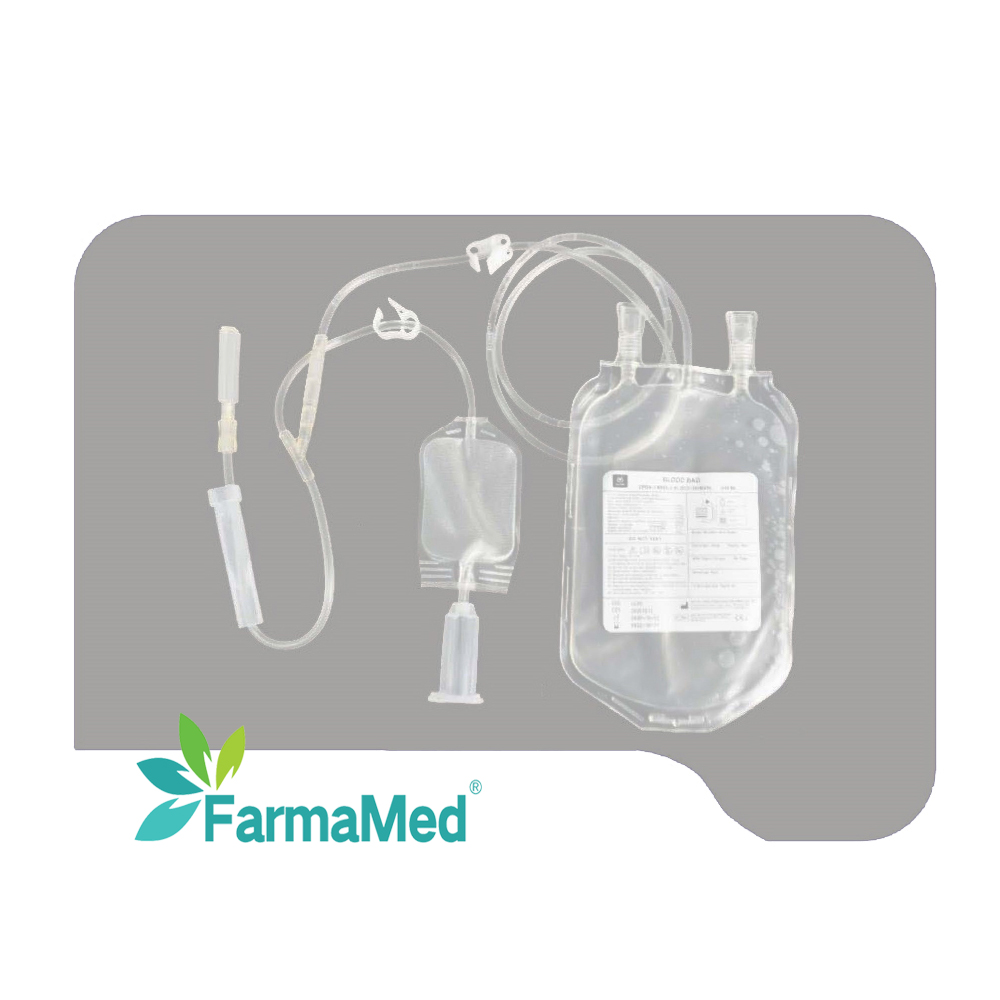
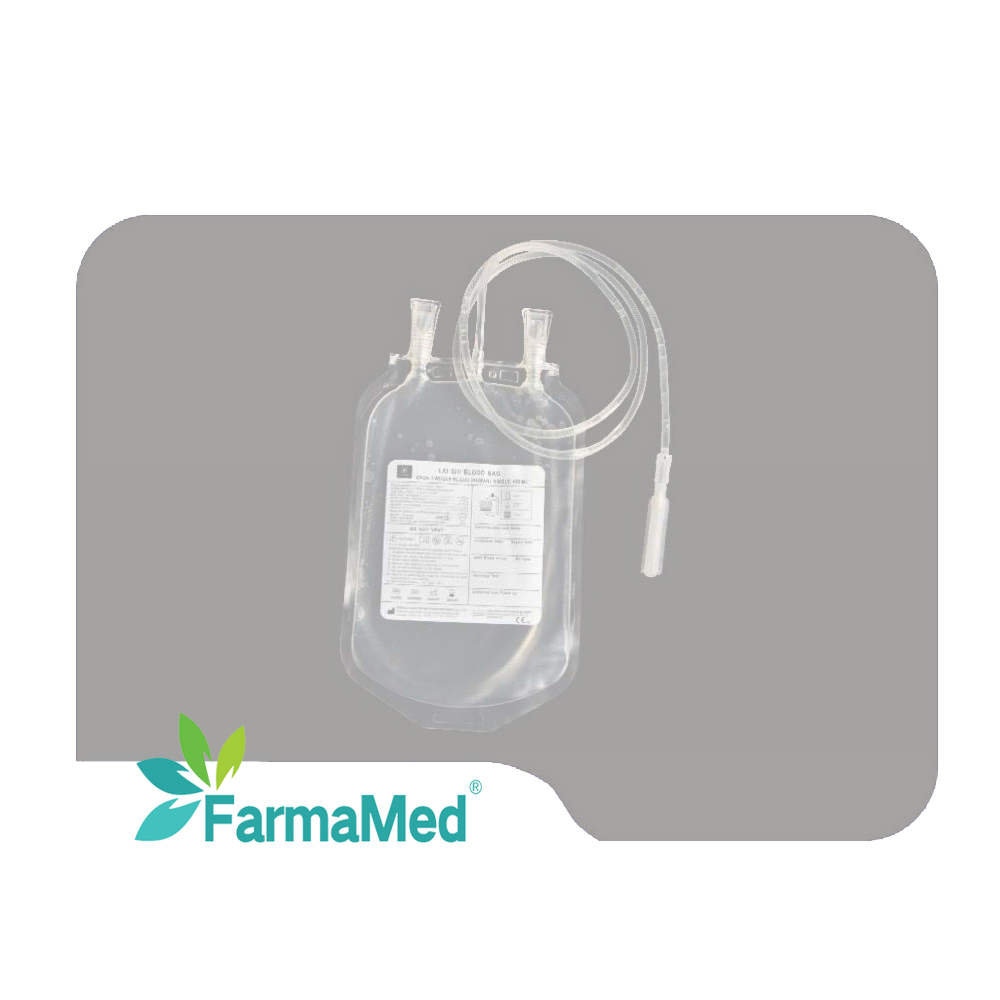
A medical grade blood bag represents a critical component in modern transfusion medicine and blood banking operations. This specialized collection and storage vessel is engineered to meet rigorous healthcare standards, ensuring the safety and viability of blood products throughout their lifecycle. The medical grade blood bag functions as a sterile, sealed container designed to collect, store, and preserve whole blood or blood components with precision and reliability. The technological features of a medical grade blood bag include advanced anticoagulant formulations, oxygen-permeable tubing systems, and temperature-resistant materials that maintain blood integrity. These bags incorporate multiple compartments to facilitate component separation and processing while maintaining sterility throughout all transfer procedures. The medical grade blood bag utilizes specialized plastics that prevent leaching and contamination, ensuring compliance with international regulatory standards. Applications for the medical grade blood bag extend across transfusion centers, hospitals, emergency departments, and research laboratories. Healthcare facilities rely on these bags for routine blood collection drives, surgical procedures, trauma response, and chronic disease management. The medical grade blood bag supports diverse clinical scenarios, from routine transfusions to complex therapeutic exchanges and component therapies. Medical professionals depend on these vessels for emergency operations, scheduled surgeries, and specialized treatments requiring precise blood product management and traceability throughout patient care protocols.

New Product Recommendations

The medical grade blood bag delivers substantial practical benefits that directly improve blood banking operations and patient safety outcomes. Healthcare facilities experience significant operational efficiency gains when using a medical grade blood bag, as the integrated design minimizes processing time and reduces contamination risks throughout collection and storage phases. The sterile compartments and integrated tubing systems enable rapid component separation, allowing blood banks to maximize product yield from single donations. For healthcare providers, purchasing a medical grade blood bag represents a cost-effective investment that reduces waste and improves inventory management through extended storage capabilities. The reliable performance of a medical grade blood bag ensures consistent product quality, reducing rejection rates and increasing usable blood product availability for patient transfusions. Blood bank personnel appreciate the user-friendly design that simplifies collection procedures, training requirements, and daily operational protocols. The medical grade blood bag proves particularly suitable for high-volume collection centers, surgical facilities, and emergency departments where blood product demands fluctuate unpredictably. Hospitals benefit from improved patient outcomes because the medical grade blood bag maintains superior blood component viability, resulting in more effective transfusions with fewer adverse reactions. Regulatory compliance becomes straightforward with certified medical grade blood bags, as these products meet international standards including FDA and European CE requirements. Decision-making becomes easier for procurement teams because the medical grade blood bag simplifies supplier qualification, reduces compliance documentation burden, and provides transparent traceability features. Emergency response capabilities improve substantially, as medical grade blood bags enable rapid mobilization during mass casualty events, natural disasters, and critical patient situations requiring immediate blood product availability.

Practical Tips

Anhydrous vs. trihydrate magnesium citrate: formulation selection and cost analysis.

01

Jun

Anhydrous vs. trihydrate magnesium citrate: formulation selection and cost analysis.

The selection between anhydrous and trihydrate forms of magnesium citrate represents a critical formulation decision that directly impacts product efficacy, manufacturing costs, and regulatory compliance for pharmaceutical and nutraceutical companies...
View More
Southeast Asian OTC pharmacy chains sourcing dimenhydrinate: multilingual packaging design required.

15

Jul

Southeast Asian OTC pharmacy chains sourcing dimenhydrinate: multilingual packaging design required.

Southeast Asian over-the-counter pharmacy chains face unique challenges when sourcing dimenhydrinate products, particularly regarding multilingual packaging requirements that meet diverse regulatory standards across the region. The growing demand for...
View More
Rising pediatric anti-nausea market: collaboration opportunities for dimenhydrinate 25mg development.

01

Jul

Rising pediatric anti-nausea market: collaboration opportunities for dimenhydrinate 25mg development.

The pediatric anti-nausea pharmaceutical market is experiencing unprecedented growth as healthcare providers increasingly recognize the unique challenges of treating nausea and vomiting in children. While adult formulations like dimenhydrinate 50 mg ...
View More
FDA registration pathway and OTC monograph compliance for eye drop exports to the US.

17

Aug

FDA registration pathway and OTC monograph compliance for eye drop exports to the US.

Exporting lubricant eye drops to the United States requires a thorough understanding of FDA regulations, OTC monograph standards, and compliance pathways. Manufacturers seeking to market lubricant eye drops in the US must navigate a complex regulator...
View More

Get a Free Quote

Our representative will contact you soon.
Name
Email
Tel
Company Name
Message
0/1000

medical grade blood bag

Superior Product Stability and Extended Storage Duration

Superior Product Stability and Extended Storage Duration

The medical grade blood bag features advanced anticoagulant solutions and specialized plastic materials that dramatically extend storage duration while maintaining critical blood component viability. These technological innovations allow whole blood to remain viable for significantly longer periods compared to conventional collection methods, reducing the pressure on blood banks to constantly replenish inventory. The medical grade blood bag design incorporates oxygen-permeable tubing that maintains optimal metabolic conditions, preserving platelet function and red blood cell viability throughout the storage window. Blood banks maximize collection efficiency by storing products longer, which proves invaluable during seasonal fluctuations in donor availability. The extended storage capability of a medical grade blood bag ultimately translates to improved patient outcomes, as blood banks maintain larger emergency reserves without sacrificing product quality or safety margins essential for transfusion medicine.
Reliable Sterility Assurance and Contamination Prevention

Reliable Sterility Assurance and Contamination Prevention

A medical grade blood bag implements multiple layers of contamination protection through sealed compartment systems and closed-circuit collection technology that eliminates exposure to environmental pathogens. The sterile design of a medical grade blood bag prevents bacterial colonization and maintains product integrity from initial collection through final transfusion administration. Blood banking personnel experience complete peace of mind knowing the medical grade blood bag's construction meets stringent safety standards preventing both bacterial and viral contamination risks. The integrated tubing configuration and multiple storage compartments of a medical grade blood bag enable safe component separation without compromising sterility at any processing stage. Healthcare facilities reduce infection transmission risks substantially by implementing a medical grade blood bag system, protecting both donor and recipient populations. The contamination prevention features embedded within a medical grade blood bag design directly translate to enhanced patient safety and regulatory compliance, making it an indispensable choice for quality-conscious blood banking operations.
Seamless Regulatory Compliance and International Certification

Seamless Regulatory Compliance and International Certification

The medical grade blood bag meets or exceeds all major international regulatory requirements including FDA approval, CE European certification, and ISO 9001 manufacturing standards that govern medical device safety. Healthcare institutions simplify their procurement and quality assurance processes by selecting a medical grade blood bag with complete regulatory documentation and transparent certification pathways. The medical grade blood bag design incorporates specific features demanded by regulatory bodies worldwide, including proper labeling systems, traceability mechanisms, and biocompatibility testing confirmation. Blood banks eliminate compliance complexities because the medical grade blood bag arrives with comprehensive documentation supporting regulatory inspections and accreditation audits. Choosing a medical grade blood bag reduces administrative burden significantly, allowing procurement teams to focus resources on clinical priorities rather than extensive qualification procedures. The regulatory certainty provided by a certified medical grade blood bag enables healthcare facilities to expand transfusion services confidently while maintaining institutional accreditation and professional licensing requirements.

Get a Free Quote

Our representative will contact you soon.
Name
Email
Tel
Company Name
Message
0/1000

Get a Free Quote

Our representative will contact you soon.
Name
Email
Tel
Company Name
Message
0/1000