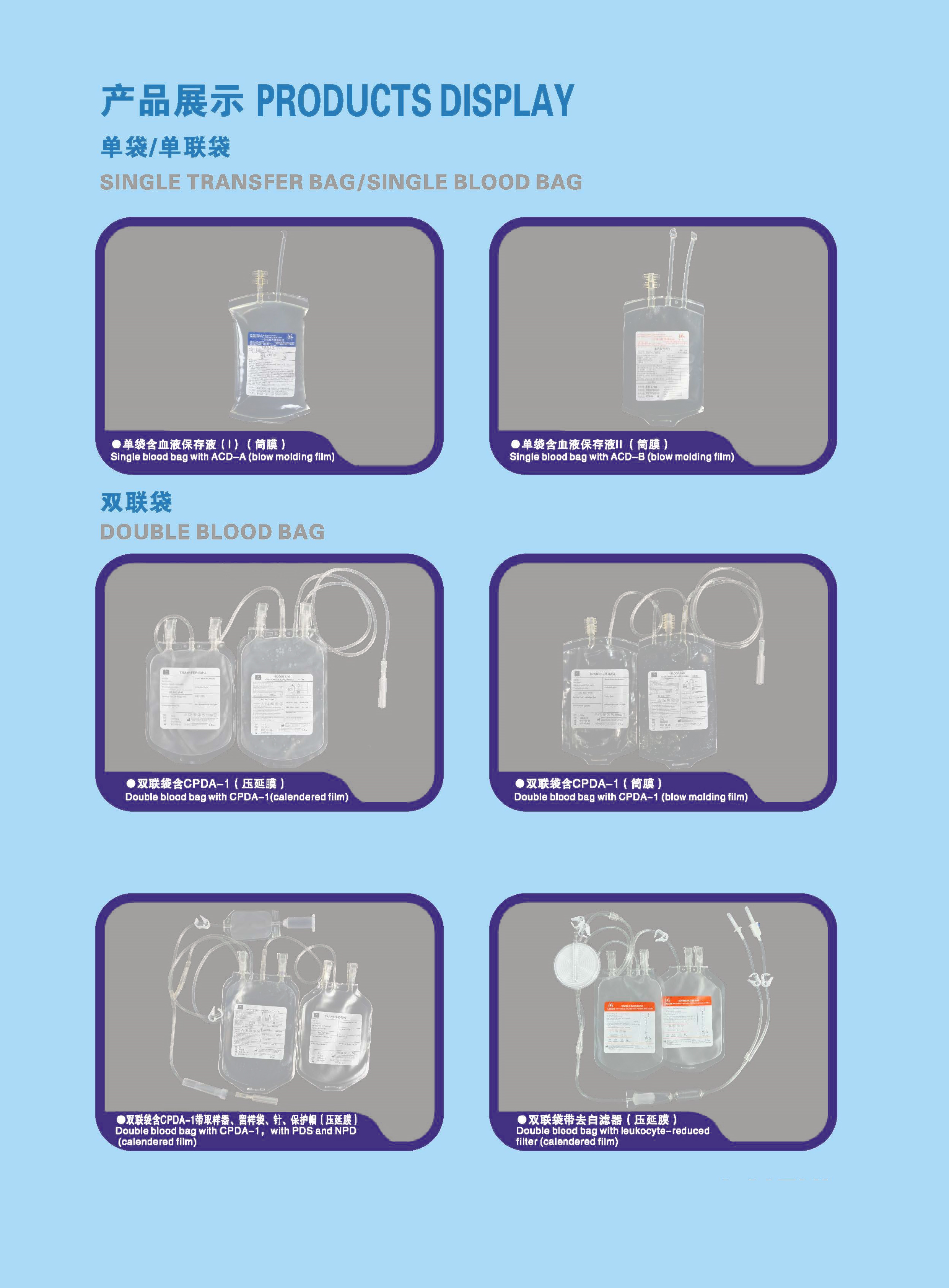
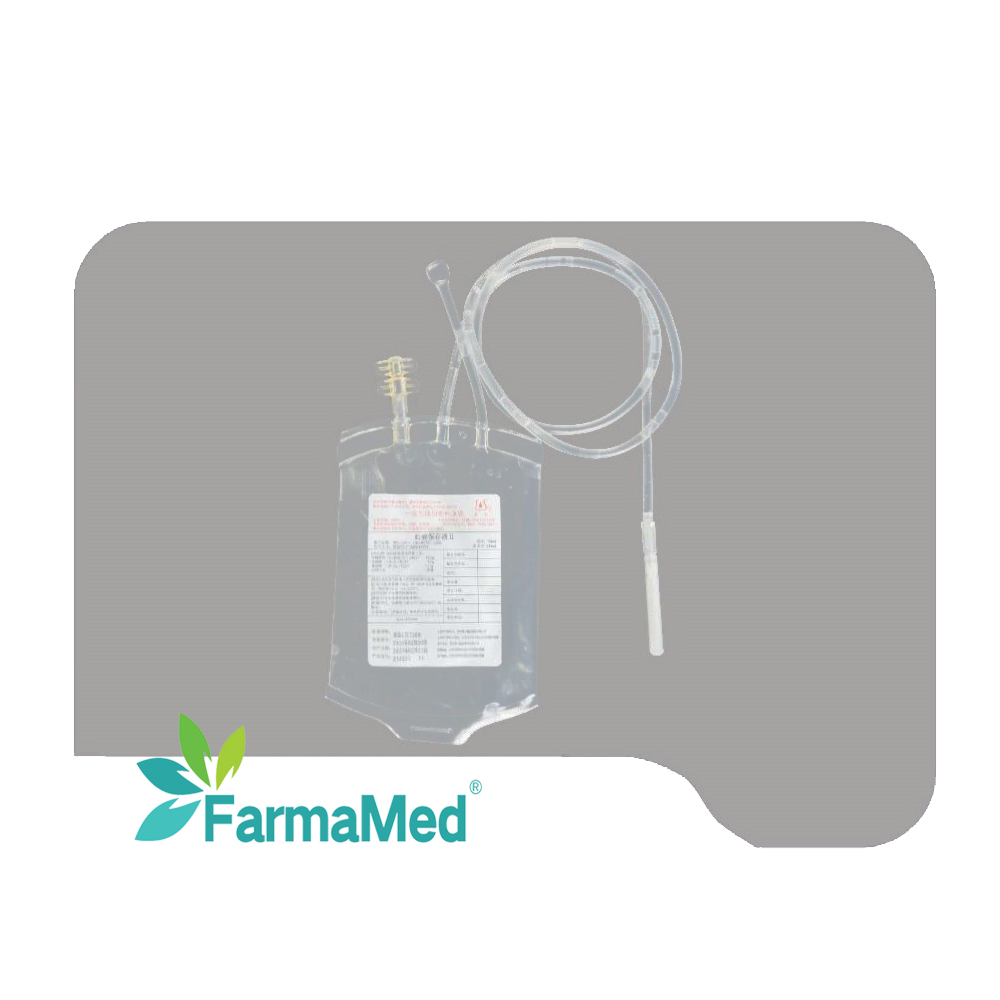
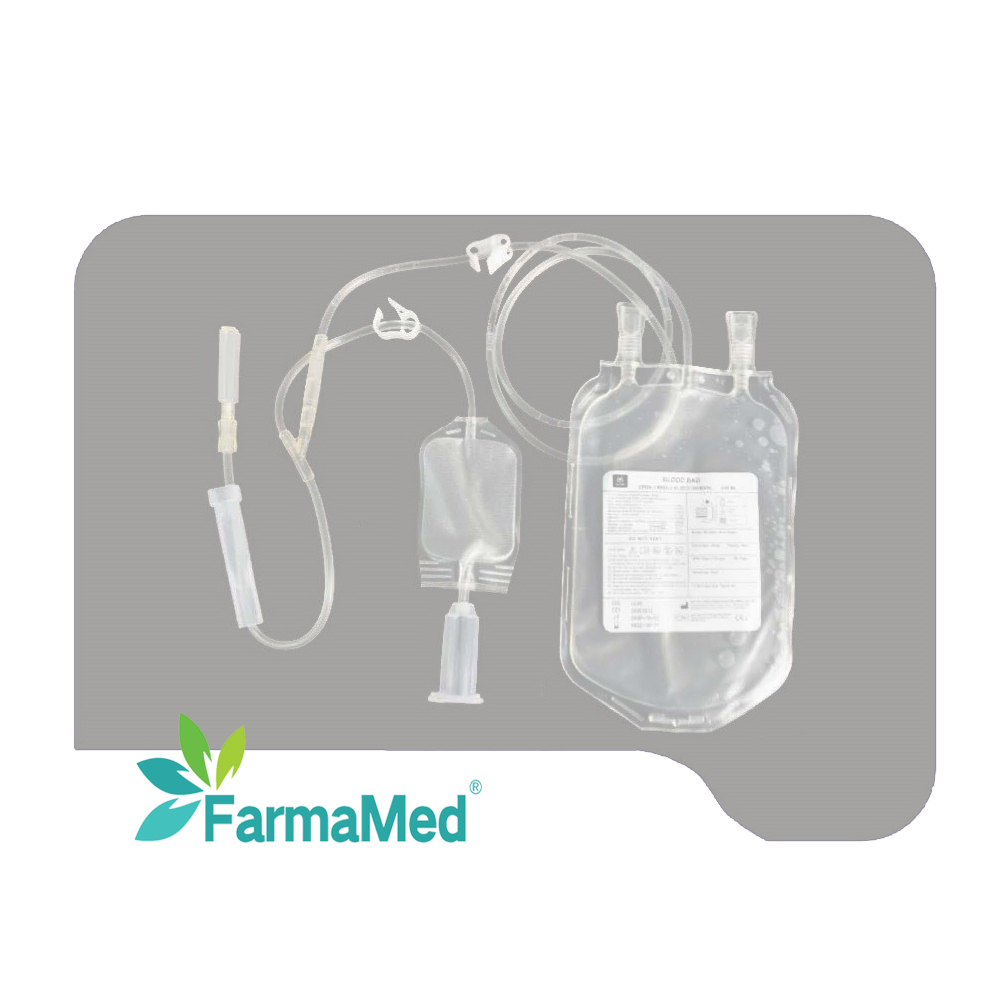
blood collection bags
Blood collection bags are essential medical devices designed to safely collect, store, and transport blood and blood components from donors to healthcare facilities. These specialized containers serve as the foundation of modern transfusion medicine and blood banking operations worldwide. Blood collection bags are engineered with advanced materials that maintain blood integrity while preventing contamination and degradation.
The primary function of blood collection bags is to provide a sterile, closed system environment for blood collection during donation procedures. Modern blood collection bags feature integrated anticoagulants, preservatives, and nutritive solutions that extend blood viability and ensure patient safety. These bags incorporate multiple compartments allowing for blood component separation, including red blood cells, plasma, and platelets.
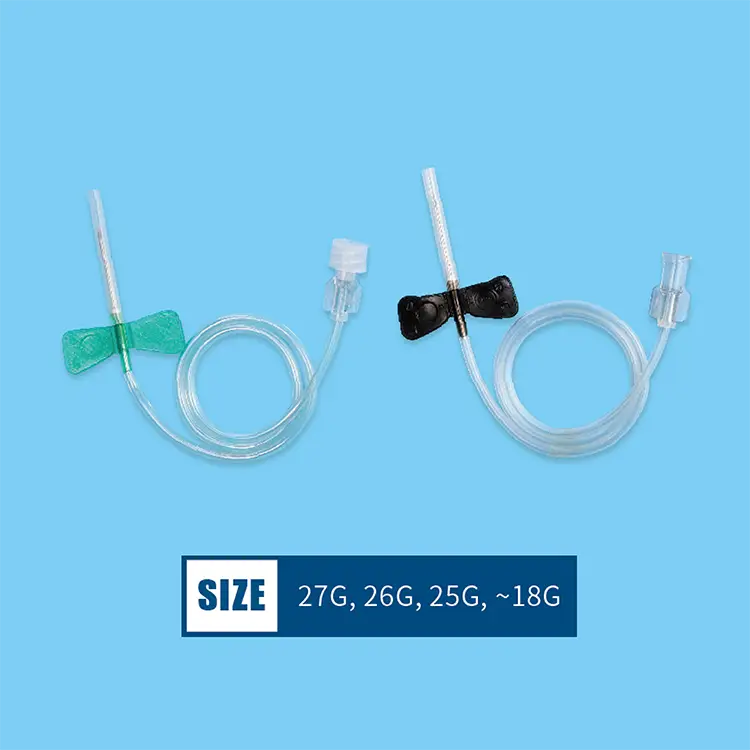
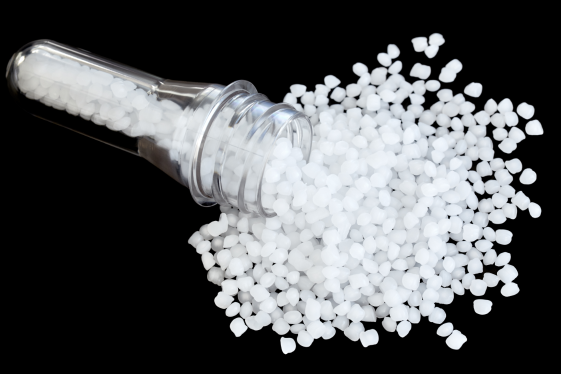
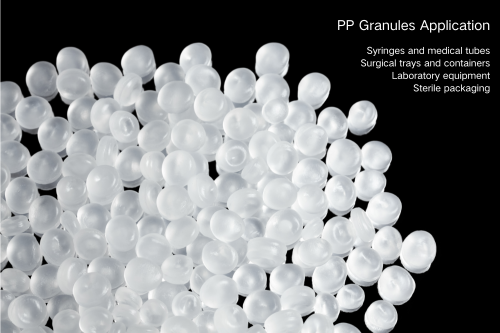
Technologically, blood collection bags utilize advanced polymer materials with superior oxygen barriers and antimicrobial properties. The bags feature sterile needle systems, pressure relief mechanisms, and tamper-evident seals ensuring maximum security. Blood collection bags are manufactured to strict international standards including FDA, CE, and WHO guidelines.
Applications of blood collection bags extend across numerous healthcare settings including hospitals, blood banks, and donor centers. Blood collection bags support critical transfusion needs for surgical patients, trauma victims, and individuals with chronic blood disorders. They enable blood component therapy, allowing healthcare providers to administer specific blood elements tailored to patient requirements, improving treatment outcomes and resource efficiency across global healthcare systems.

 EN
EN