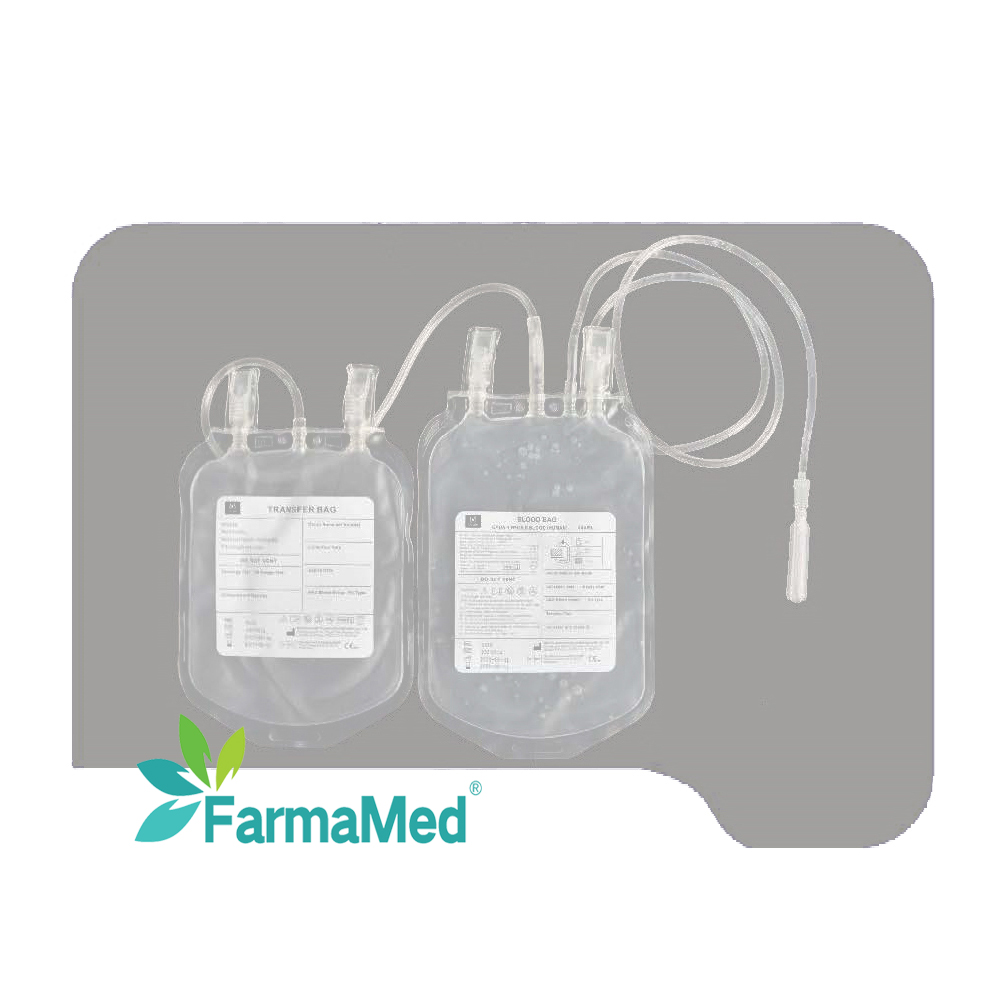
iv blood bag
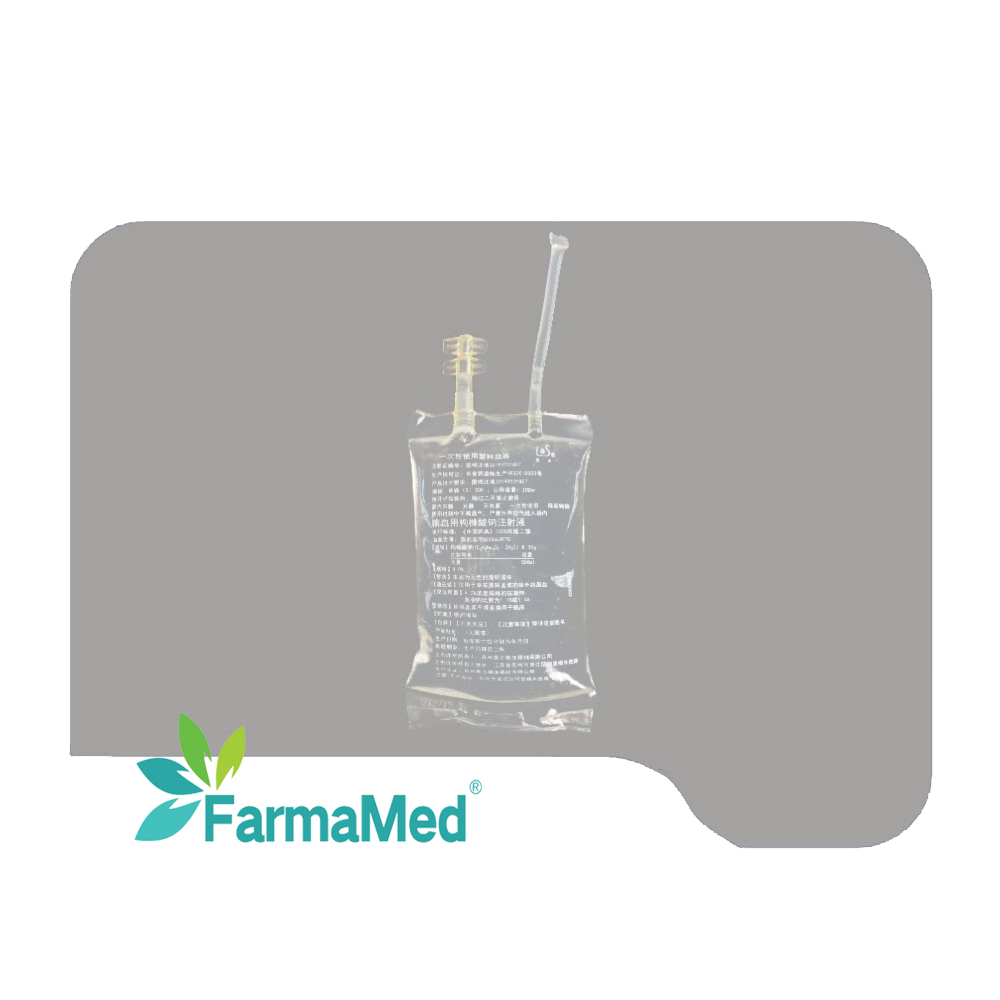
An IV blood bag is a specialized medical container designed to safely collect, store, and transport blood and blood products for transfusion purposes. This essential medical device plays a critical role in healthcare settings, including hospitals, blood banks, and emergency care facilities. The IV blood bag serves as a sterile, secure vessel that maintains blood integrity during storage and administration to patients who require transfusions due to surgery, trauma, or medical conditions.
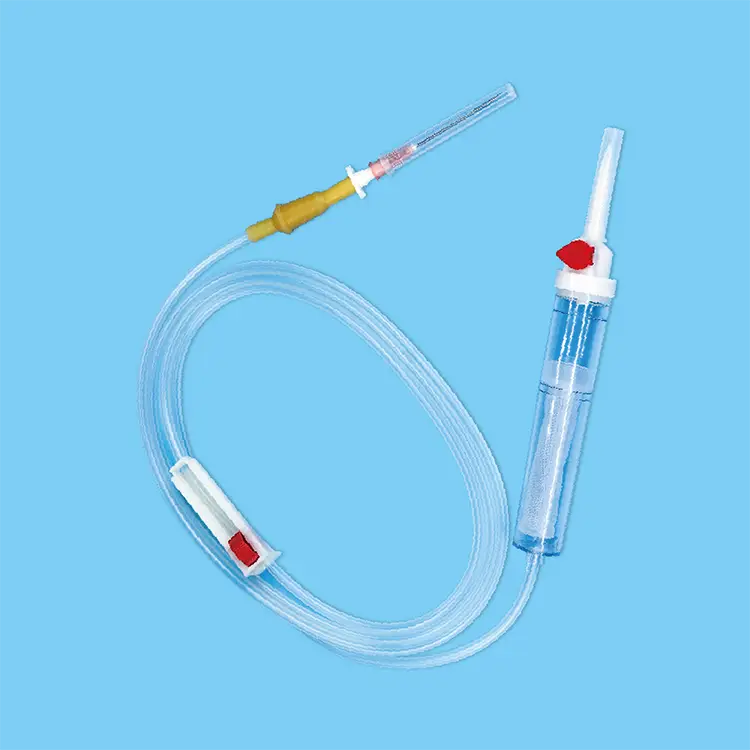
The primary function of an IV blood bag involves preserving blood viability through controlled anticoagulant solutions and storage conditions. Modern IV blood bag designs incorporate advanced features such as integrated collection tubes, sterile connection ports, and flexible plastic materials that allow for gentle handling and efficient transfusion. These bags are manufactured from food-grade PVC or alternative materials that prevent contamination while maintaining compatibility with medical equipment.
Key technological features of the IV blood bag include graduated capacity markings for accurate volume measurement, tamper-evident seals ensuring product safety, and integrated needle-safe systems that minimize needlestick injuries. The IV blood bag design accommodates various blood types and components, including whole blood, red blood cells, plasma, and platelets, making it versatile for multiple clinical applications.
Applications of the IV blood bag extend across numerous medical scenarios. Surgical patients rely on IV blood bags for blood replacement during procedures, trauma victims receive transfusions through IV blood bags in emergency departments, and patients with chronic conditions benefit from regular transfusions delivered via IV blood bags. Cancer treatment centers, dialysis facilities, and specialty hospitals depend on reliable IV blood bag systems to support patient care protocols and ensure successful therapeutic outcomes.

 EN