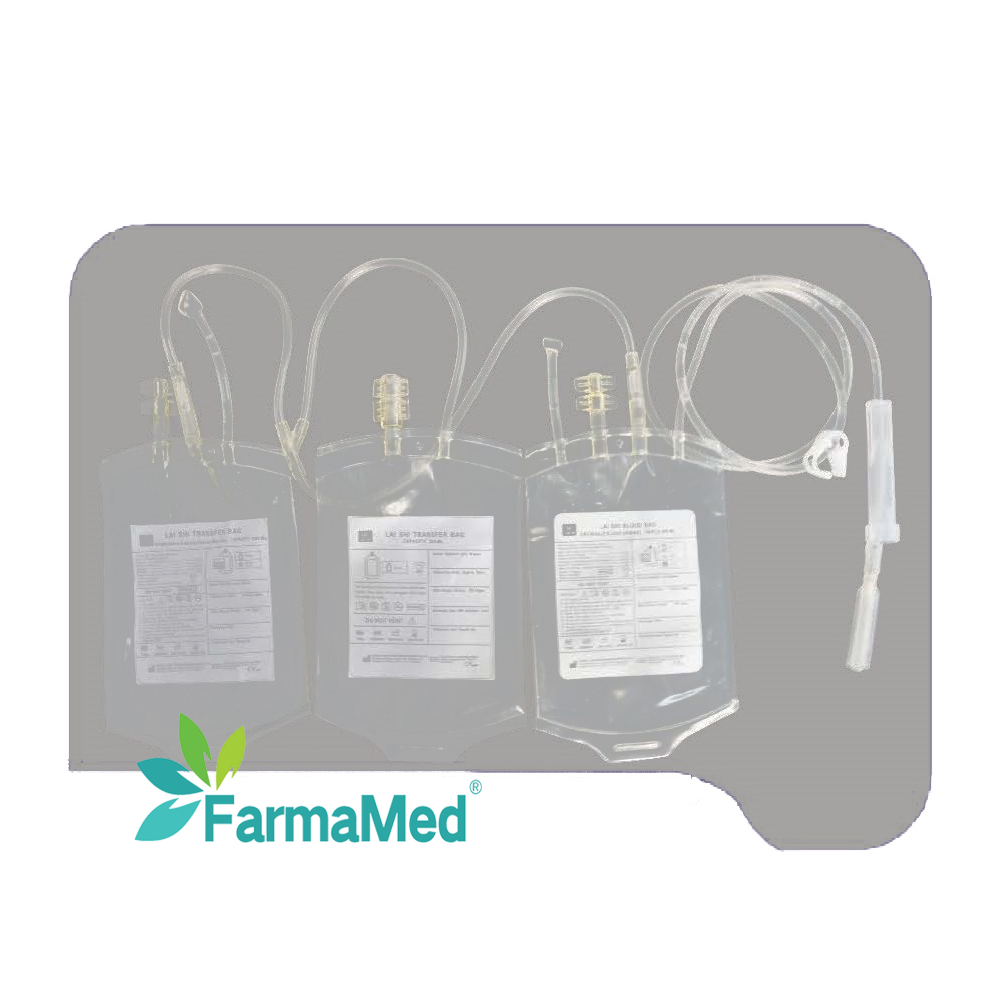
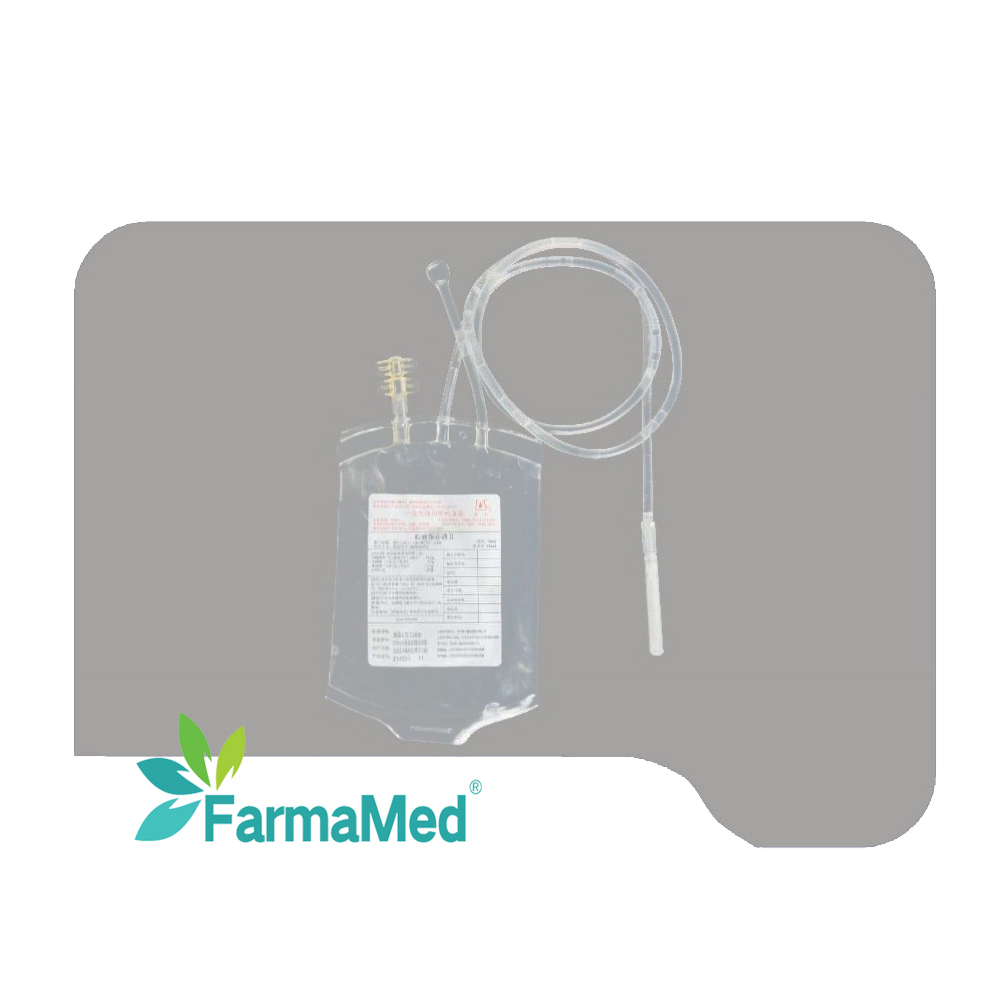
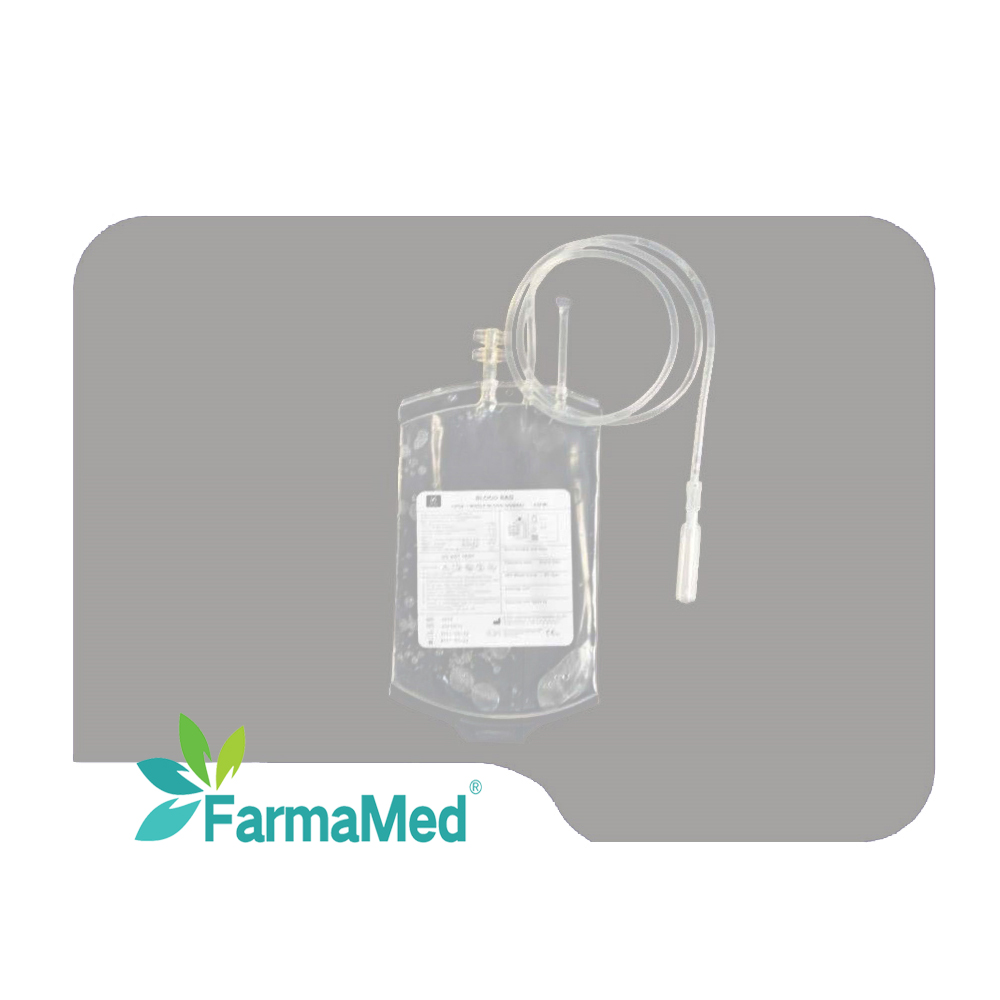
medical blood bag
A medical blood bag represents a critical component of modern blood collection, storage, and transfusion systems. The medical blood bag is specifically engineered to safely preserve blood and blood components while maintaining their viability and safety for patient use. These sterile plastic containers are designed with precision to meet rigorous international healthcare standards and regulatory requirements.
The primary function of a medical blood bag is to provide a secure, contamination-free environment for blood collection directly from donors. Each medical blood bag features integrated collection tubes, sampling ports, and anticoagulant solutions that prevent clotting and maintain blood cell integrity during storage periods. The advanced design of the medical blood bag includes multiple compartments for separating plasma, red blood cells, and platelets based on clinical needs.
Technologically, modern medical blood bag systems incorporate specialized tubing networks, sterile connection points, and pre-loaded anticoagulant formulations. The medical blood bag employs oxygen-permeable film technology that allows controlled gas exchange, essential for preserving red blood cell viability. Quality construction ensures the medical blood bag maintains structural integrity throughout its designated shelf life, typically ranging from 35 to 42 days depending on the anticoagulant solution used.
Applications of the medical blood bag span emergency departments, surgical centers, blood banks, and transfusion services. Healthcare facilities rely on the medical blood bag for routine blood donations, autologous blood collection, and therapeutic phlebotomy procedures. The medical blood bag serves as the foundation for comprehensive blood management protocols in hospitals and specialty care centers worldwide.

 EN