
 EN
EN

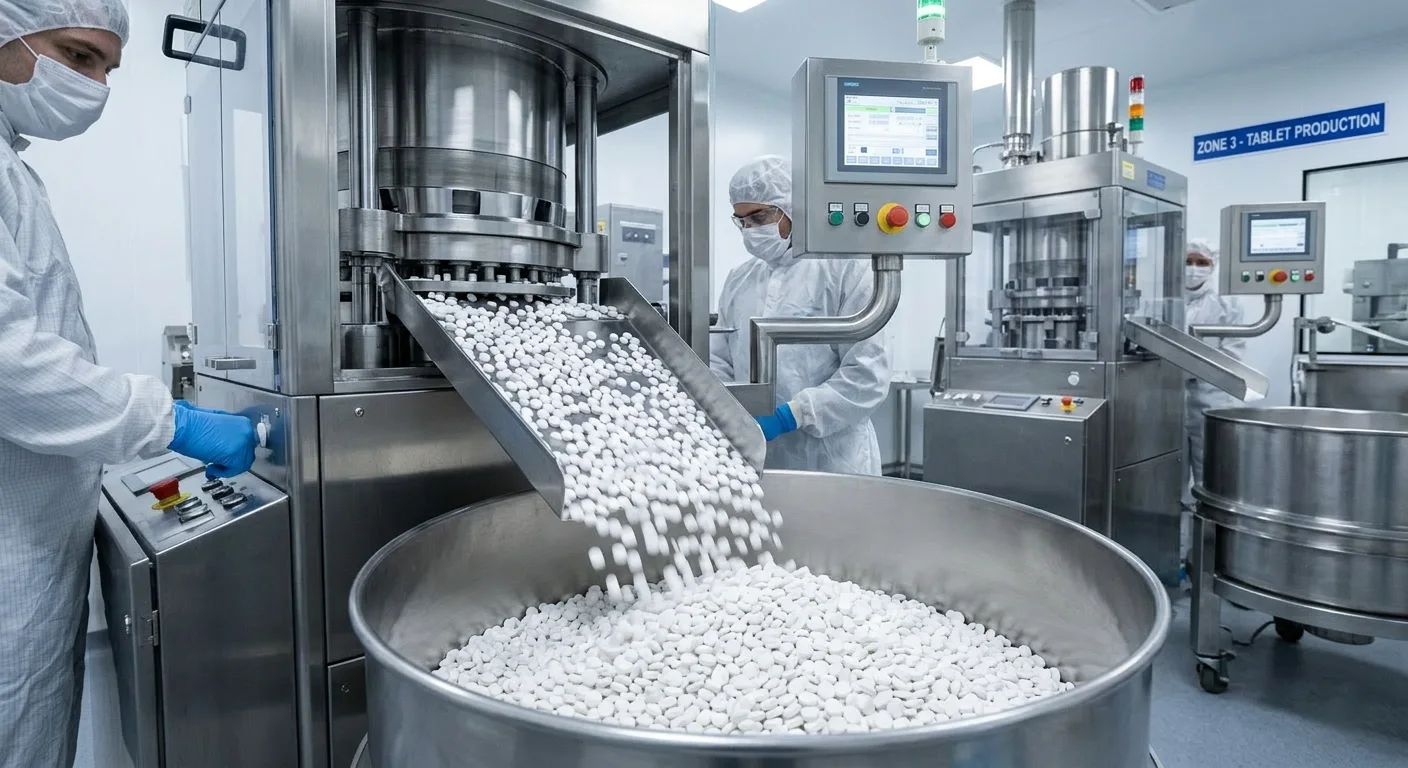
The GMP certification landscape for cetirizine tablets 10mg suppliers presents a complex regulatory environment where pharmaceutical manufacturers must navigate multiple international standards to ensure product quality and market access. Understanding this certification framework becomes crucial for procurement teams, regulatory professionals, and healthcare organizations seeking reliable sources of this widely-used antihistamine medication.
Global suppliers of cetirizine tablets face varying certification requirements across different markets, with GMP standards serving as the foundational quality assurance framework. The certification landscape encompasses multiple regulatory bodies, each with specific requirements that directly impact supplier qualification, manufacturing processes, and market accessibility for this essential allergy medication.
Global GMP Regulatory Framework for Cetirizine Tablets
ICH Guidelines and International Harmonization
The International Council for Harmonisation provides the foundational framework for cetirizine tablets manufacturing through comprehensive quality guidelines. ICH Q7 specifically addresses Good Manufacturing Practice for active pharmaceutical ingredients, establishing critical parameters that cetirizine manufacturers must follow to achieve international market acceptance.
These guidelines influence how suppliers approach process validation, documentation requirements, and quality control systems for cetirizine tablets production. The harmonized approach reduces regulatory discrepancies between major markets while maintaining stringent quality standards that protect patient safety and therapeutic efficacy.
Manufacturing facilities producing cetirizine tablets must demonstrate compliance with ICH guidelines through detailed documentation of manufacturing processes, environmental controls, and personnel training programs. This standardization enables global suppliers to streamline certification processes across multiple regulatory jurisdictions.
Regional Regulatory Variations and Requirements
European Union GMP certification for cetirizine tablets follows EMA guidelines, requiring manufacturers to demonstrate compliance with Annex 1 sterile manufacturing principles even for oral solid dosage forms when specific contamination risks exist. The EU's centralized procedure allows qualified suppliers to access multiple European markets through a single certification pathway.
FDA GMP requirements for cetirizine tablets emphasize process analytical technology and risk-based manufacturing approaches. US suppliers must comply with 21 CFR Part 211, which mandates specific documentation standards, batch release procedures, and ongoing stability monitoring protocols that exceed basic international requirements.
Asian markets present diverse certification landscapes, with countries like Japan requiring PMDA approval, while China mandates NMPA certification for cetirizine tablets suppliers. Each regulatory body maintains distinct documentation requirements, inspection protocols, and ongoing compliance monitoring systems that impact supplier qualification strategies.
Supplier Certification Categories and Market Access
Primary Manufacturing Certification Levels
Tier-one certified suppliers for cetirizine tablets maintain comprehensive GMP certifications across multiple regulatory jurisdictions, enabling broad market access and supply chain flexibility. These suppliers typically invest in advanced manufacturing technologies, robust quality systems, and extensive regulatory expertise to maintain their certification status.
Regional certified suppliers focus on specific geographic markets, maintaining targeted GMP certifications that align with local regulatory requirements for cetirizine tablets distribution. This approach allows specialized suppliers to optimize manufacturing processes for regional market demands while maintaining cost-effective operations.
Emerging market suppliers increasingly pursue international GMP certification to expand their cetirizine tablets market reach. WHO prequalification programs provide pathways for these suppliers to demonstrate compliance with international standards while accessing global procurement opportunities through multilateral organizations.
API Supplier Integration and Vertical Certification
Vertically integrated suppliers control both cetirizine active pharmaceutical ingredient production and finished tablet manufacturing, requiring comprehensive GMP certification across their entire production chain. This integration approach provides enhanced quality control and supply chain security for cetirizine tablets procurement.
Third-party API sourcing requires cetirizine tablets manufacturers to validate their supplier qualification programs, ensuring that raw material suppliers maintain appropriate GMP certifications. This multi-level certification approach creates complex supply chain management requirements but enables operational flexibility.
Contract manufacturing organizations specializing in cetirizine tablets often maintain broader certification portfolios to serve multiple brand owners and market segments. Their certification strategies focus on operational efficiency while meeting diverse regulatory requirements across client product portfolios.
Quality System Requirements and Audit Protocols
Manufacturing Process Validation Standards
Process validation for cetirizine tablets requires extensive documentation of critical manufacturing parameters, including granulation processes, compression settings, and coating applications. Suppliers must demonstrate statistical process control and process capability studies that prove consistent quality attribute achievement.
Analytical method validation becomes particularly critical for cetirizine tablets due to the drug's chemical stability considerations and potential degradation pathways. Certified suppliers must maintain validated analytical methods for content uniformity, dissolution profiles, and impurity detection throughout product shelf life.
Change control procedures for cetirizine tablets manufacturing require comprehensive impact assessment protocols that evaluate potential effects on product quality, regulatory compliance, and certification status. These procedures ensure that manufacturing modifications don't compromise GMP certification validity.
Inspection and Compliance Monitoring
Regulatory inspections of cetirizine tablets facilities follow risk-based approaches, with inspection frequency determined by supplier compliance history, manufacturing complexity, and market significance. Successful inspection outcomes directly impact certification maintenance and market access capabilities.
Third-party audit programs supplement regulatory inspections by providing continuous compliance monitoring for cetirizine tablets suppliers. These audits focus on quality system effectiveness, corrective action implementation, and ongoing improvement initiatives that strengthen certification status.
Self-inspection programs enable proactive compliance management by identifying potential certification risks before regulatory inspections. Cetirizine tablets suppliers use these internal assessments to maintain continuous improvement and demonstrate commitment to quality excellence.
Market Access and Supply Chain Implications
Procurement Strategy Considerations
Procurement teams evaluating cetirizine tablets suppliers must assess certification portfolios against target market requirements, ensuring that supplier qualifications align with distribution objectives. This assessment includes evaluation of certification maintenance records, inspection histories, and ongoing compliance commitments.
Risk mitigation strategies for cetirizine tablets procurement include diversified supplier portfolios that maintain appropriate geographic distribution and certification redundancy. This approach ensures supply continuity even when individual suppliers face certification challenges or regulatory changes.
Cost considerations for certified cetirizine tablets suppliers reflect the significant investment required to maintain comprehensive GMP certification portfolios. Procurement strategies must balance certification premiums against supply security and regulatory compliance requirements.
Future Certification Trends and Developments
Digital quality systems and electronic documentation are transforming GMP certification approaches for cetirizine tablets suppliers. These technological advances enable more efficient compliance monitoring, real-time quality data analysis, and streamlined regulatory interactions.
Continuous manufacturing approaches for cetirizine tablets require evolved GMP certification frameworks that address real-time quality monitoring, process analytical technology integration, and dynamic release testing protocols. Early adopters of these technologies gain competitive advantages in certification efficiency.
Sustainability considerations increasingly influence GMP certification requirements, with environmental management systems becoming integrated components of quality frameworks for cetirizine tablets manufacturing. This evolution reflects growing regulatory and market emphasis on sustainable pharmaceutical production.
FAQ
What are the minimum GMP certification requirements for cetirizine tablets suppliers?
Minimum GMP certification requirements for cetirizine tablets suppliers include compliance with ICH Q7 guidelines for pharmaceutical manufacturing, documented quality management systems, validated manufacturing processes, and appropriate analytical capabilities. Suppliers must demonstrate facility design compliance, personnel training programs, and ongoing stability monitoring systems that ensure product quality throughout shelf life.
How do regulatory inspections impact cetirizine tablets supplier certification status?
Regulatory inspections directly determine certification maintenance through assessment of manufacturing compliance, quality system effectiveness, and corrective action implementation. Failed inspections can result in certification suspension, market access restrictions, or mandatory remediation requirements. Successful inspection outcomes strengthen supplier qualification status and demonstrate ongoing commitment to quality excellence.
What factors should procurement teams consider when evaluating certified cetirizine tablets suppliers?
Procurement teams should evaluate certification portfolio breadth, inspection history consistency, quality system maturity, and manufacturing capacity alignment with demand requirements. Additional considerations include supply chain integration capabilities, regulatory compliance track record, and ongoing investment in certification maintenance. Risk assessment should include geographic diversification and alternative supplier availability.
How do emerging markets affect the global GMP certification landscape for cetirizine tablets?
Emerging markets influence the certification landscape by introducing new regulatory requirements, creating cost-competitive manufacturing alternatives, and driving WHO prequalification program expansion. These developments provide procurement opportunities while requiring enhanced supplier qualification due diligence. Market access considerations must balance cost advantages against certification complexity and regulatory compliance risks.
Table of Contents
- Global GMP Regulatory Framework for Cetirizine Tablets
- Supplier Certification Categories and Market Access
- Quality System Requirements and Audit Protocols
- Market Access and Supply Chain Implications
-
FAQ
- What are the minimum GMP certification requirements for cetirizine tablets suppliers?
- How do regulatory inspections impact cetirizine tablets supplier certification status?
- What factors should procurement teams consider when evaluating certified cetirizine tablets suppliers?
- How do emerging markets affect the global GMP certification landscape for cetirizine tablets?