
 EN

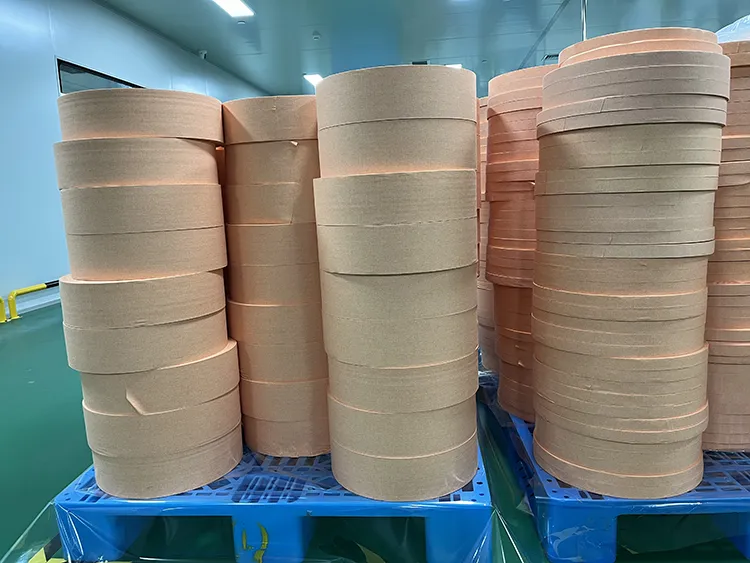
Selecting the right vendor for a rewinding or slitting machine is one of the most critical decisions a manufacturing facility can make. The quality, reliability, and customization capability of your rewinding or slitting machine directly impact production efficiency, product quality, and long-term operational costs. Unlike commodity purchases, evaluating rewinding or slitting machine vendors requires a structured framework that goes beyond price comparison and examines technical capability, support infrastructure, customization flexibility, and proven track record in your specific industry vertical.
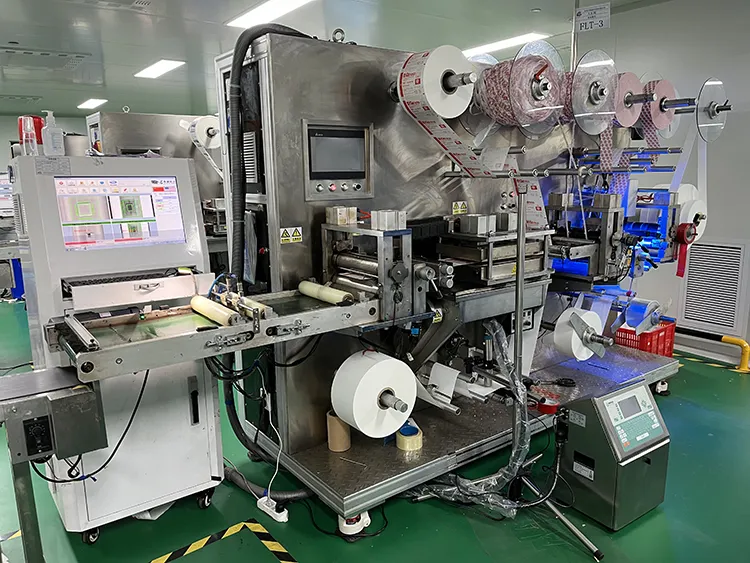
A comprehensive vendor evaluation framework helps manufacturing leaders identify which rewinding or slitting machine provider can deliver the exact specifications, performance standards, and ongoing support their operation requires. This framework moves beyond surface-level vendor claims and focuses on measurable criteria that predict successful implementation and operational performance over the machine's lifespan.
Technical Capability and Customization Depth
Assessing Machine Specifications and Flexibility
The foundation of any rewinding or slitting machine vendor evaluation starts with understanding their technical depth and ability to customize equipment to your exact requirements. A capable rewinding or slitting machine provider should offer detailed specifications across multiple dimensions: blade width, slitting precision tolerances, web width range, speed capacity, and material compatibility. Beyond standard offerings, a strong vendor demonstrates genuine flexibility in adapting a rewinding or slitting machine design to accommodate unique substrate types, thickness variations, or dimensional requirements specific to your production environment.
Request detailed technical documentation that shows how the rewinding or slitting machine handles various edge quality standards, edge cracking resistance, and static management features. Evaluate whether their rewinding or slitting machine platform uses modular architecture that allows future upgrades or whether customization is locked into a fixed design. A sophisticated rewinding or slitting machine vendor should explain their design methodology, show you prototyping capabilities, and provide evidence of successful custom implementations in similar production scenarios.
Material Science and Process Understanding
The quality of a rewinding or slitting machine cannot be separated from the vendor's understanding of material science. When evaluating rewinding or slitting machine providers, assess their knowledge of how different substrate materials behave during the slitting process. Polymers, films, foils, papers, and composite materials all have unique characteristics that affect rewinding or slitting machine design requirements. A knowledgeable rewinding or slitting machine vendor asks detailed questions about your specific material properties, coating systems, and downstream processing needs.
Examine whether the rewinding or slitting machine vendor has documentation showing successful installations with material types identical to yours. Ask for case studies demonstrating how their rewinding or slitting machine handles edge quality, static control, and contamination prevention for your specific substrate category. The rewinding or slitting machine provider should explain blade selection, holder design, and pressure control mechanisms that directly relate to your material characteristics.
Support Infrastructure and Vendor Reliability
Service Network and Spare Parts Availability
Operational downtime costs money, making service infrastructure a critical evaluation factor for any rewinding or slitting machine vendor. Investigate whether the rewinding or slitting machine provider maintains regional service centers or has established partnerships with authorized service providers near your facility. A reliable rewinding or slitting machine vendor should guarantee spare parts availability for at least ten years after purchase, with documented lead times and emergency expedite options.
Request the rewinding or slitting machine vendor's mean time to repair specifications and verify these commitments through reference contacts who have experienced breakdowns. Evaluate the rewinding or slitting machine provider's spare parts inventory strategy—whether they maintain local stock or rely on overseas warehouses that extend repair timelines. Check whether the rewinding or slitting machine vendor offers predictive maintenance services, remote diagnostics capabilities, or condition monitoring systems that reduce unplanned downtime on your rewinding or slitting machine.
Training, Documentation, and Operator Support
A rewinding or slitting machine is only as effective as the operators and maintenance team managing it. Examine what training programs the rewinding or slitting machine vendor provides—both initial operator certification and ongoing skills development. A strong rewinding or slitting machine provider includes comprehensive documentation in your language, video training materials, and accessible technical support channels. Verify whether the rewinding or slitting machine vendor offers on-site commissioning support to ensure proper setup and calibration before handoff to your team.
Ask the rewinding or slitting machine vendor about their technical support response time for questions outside normal business hours and how they handle emergency situations. The quality of post-sale support directly correlates with your rewinding or slitting machine's uptime performance and team confidence in operating the equipment.
Financial Terms, Implementation Timeline, and Risk Management
Total Cost of Ownership Analysis
Comparing rewinding or slitting machine vendors requires looking beyond purchase price to total cost of ownership across the equipment lifecycle. Request detailed quotes from each rewinding or slitting machine vendor that itemize equipment cost, installation, training, spare parts, service contracts, and estimated maintenance expenses over five and ten years. A transparent rewinding or slitting machine vendor provides energy consumption specifications, blade replacement frequency estimates, and consumables costs that allow you to model true operational expenses.
Evaluate financing options offered by the rewinding or slitting machine vendor—lease-to-own programs, equipment rental arrangements, or flexible payment terms that match your capital budget timing. Some rewinding or slitting machine vendors offer performance guarantees tied to uptime percentages or quality metrics, shifting financial risk and demonstrating confidence in their equipment reliability.
Implementation Timeline and Commissioning Commitment
Manufacturing schedules cannot flex around long equipment lead times, making implementation timeline a crucial rewinding or slitting machine vendor evaluation factor. Request detailed delivery schedules, installation requirements, and commissioning timelines from each rewinding or slitting machine provider. Verify whether the rewinding or slitting machine vendor offers penalties for late delivery and what contingency plans exist if manufacturing delays occur during customization.
Examine the rewinding or slitting machine vendor's project management approach, including how they handle change requests during the build process and whether they offer factory acceptance testing before shipment. A professional rewinding or slitting machine provider demonstrates discipline in meeting committed dates and maintains clear communication throughout the implementation phase.
FAQ
What specific questions should we ask when evaluating a rewinding or slitting machine vendor?
Request detailed answers about their rewinding or slitting machine customization process, material compatibility documentation, service network geographic coverage, spare parts inventory strategy, warranty terms, training programs, and reference contacts from similar production environments. Ask the rewinding or slitting machine vendor to explain their blade technology, precision tolerances, and quality control methods. Request technical specifications for your exact substrate type and ask whether the rewinding or slitting machine vendor has troubleshooting experience with your specific material challenges.
How do we compare rewinding or slitting machine vendors with different price points?
Calculate total five-year and ten-year cost of ownership by combining purchase price, installation, training, spare parts, maintenance contracts, and estimated downtime costs for each rewinding or slitting machine vendor. A less expensive rewinding or slitting machine with higher maintenance costs may prove more expensive over time. Evaluate the rewinding or slitting machine vendor's reputation for reliability and uptime performance among reference customers before assuming that lower purchase price represents true savings.
What red flags should disqualify a rewinding or slitting machine vendor from consideration?
Avoid any rewinding or slitting machine vendor who avoids detailed technical questions, cannot provide reference contacts with your material type, offers vague customization commitments, or shows limited service infrastructure near your location. If the rewinding or slitting machine vendor cannot clearly explain their spare parts availability, training support, or implementation timeline, these are warning signs of potential operational challenges. A reputable rewinding or slitting machine provider confidently addresses all technical and support questions and provides documentation backing their capabilities.