
 EN

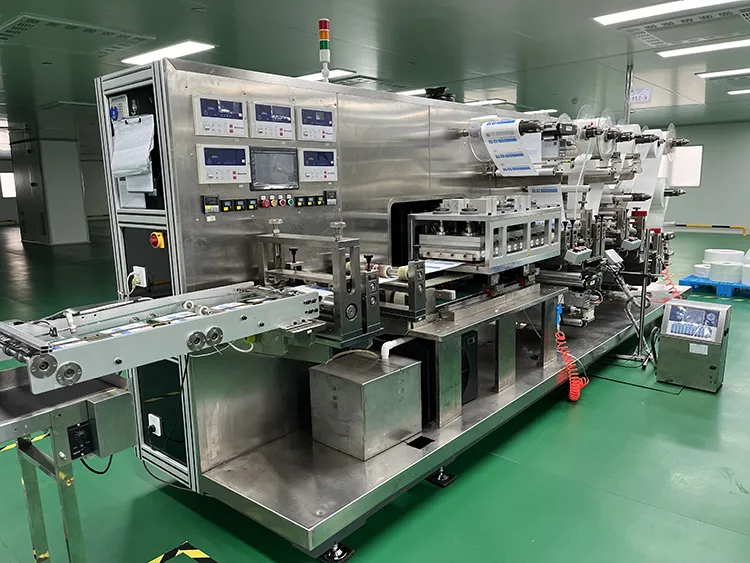
Choosing the right supplier for your rewinding or slitting machine is one of the most critical decisions you'll make for your production operation. Whether you run a paper mill, film conversion facility, or nonwoven manufacturing line, the quality and reliability of your rewinding or slitting machine directly impact your output, waste levels, and bottom-line profitability. A poorly selected rewinding or slitting machine supplier can lead to frequent downtime, inconsistent product quality, and escalating maintenance costs that drain your operational budget year after year.
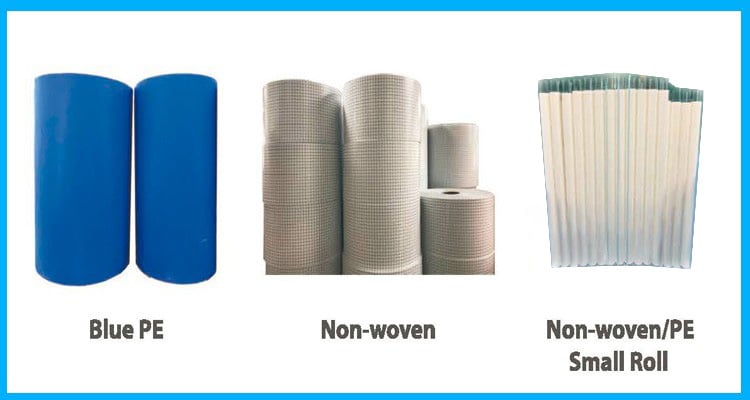
The process of selecting a rewinding or slitting machine supplier requires you to evaluate technical specifications, manufacturing expertise, service capacity, and long-term partnership potential. This guide walks you through the essential selection criteria that will help you identify suppliers capable of delivering equipment that meets your exact production needs while remaining cost-effective and reliable over many years of operation.
Understanding Your Rewinding or Slitting Machine Requirements
Define Your Production Specifications
Before evaluating any rewinding or slitting machine supplier, you must clearly document your production parameters. Specify the exact web width your rewinding or slitting machine must handle, the material types and thicknesses you'll process, your target line speed in meters per minute, and your required slitting accuracy tolerances. Different materials demand different rewinding or slitting machine capabilities—paper requires different tension control than polyester film, and nonwoven fabrics present unique challenges for your rewinding or slitting machine's blade wear and doffing mechanisms.
Your rewinding or slitting machine supplier must understand whether you need precision slitting with minimal edge fuzz, high-speed rewinding for cost reduction, or specialized features like automatic core loading or splice handling. Document the maximum number of rewind stations you'll need, whether your rewinding or slitting machine must support automated roll changes, and any integration requirements with your existing production control systems. The more detailed your specification document, the more accurately a potential rewinding or slitting machine supplier can quote and configure equipment for your exact needs.
Assess Capacity and Growth Flexibility
Your rewinding or slitting machine investment should provide capacity headroom for growth without requiring complete replacement within five to seven years. Evaluate whether a supplier can provide a rewinding or slitting machine configuration that allows future upgrades to line speed, width, or station count. Many manufacturers offer modular rewinding or slitting machine designs where you can add features or expand capability incrementally rather than replacing the entire system. Ask whether your rewinding or slitting machine can support additional cutting patterns, increased automation, or enhanced quality monitoring without fundamental redesign.
Evaluating Supplier Technical Expertise and Track Record
Review Manufacturing and Engineering Capability
A qualified rewinding or slitting machine supplier must demonstrate deep engineering expertise in your specific material class. Request detailed technical documentation showing how their rewinding or slitting machine design addresses your material's unique challenges—moisture sensitivity, static behavior, edge definition, or dimensional stability. Visit the supplier's facility if possible to observe their rewinding or slitting machine manufacturing process, quality control procedures, and testing protocols. A reputable rewinding or slitting machine supplier will welcome such visits and openly discuss their design philosophy and production standards.
Examine whether the rewinding or slitting machine supplier invests in research and development to improve their equipment's reliability, efficiency, and capabilities. Ask about recent design improvements to their rewinding or slitting machine technology, advances in blade engineering, and software enhancements. Suppliers who actively innovate their rewinding or slitting machine offerings typically stay current with industry trends and can provide you with future-proof equipment rather than outdated technology.
Verify Installation and Support Experience
Your rewinding or slitting machine's successful integration into your production line depends heavily on the supplier's installation expertise and ongoing technical support. Ask the rewinding or slitting machine supplier how many similar systems they've installed in your industry and request references from recent projects with comparable specifications. Contact these references directly to ask about installation timeline, commissioning efficiency, and the learning curve required for your operators to achieve full competency with the rewinding or slitting machine.
Clarify exactly what your rewinding or slitting machine supplier includes in their standard installation package, whether travel costs are itemized separately, and what commissioning milestones trigger final payment. Understand how the rewinding or slitting machine supplier verifies that your equipment meets performance guarantees and what documentation they provide proving compliance with your specification. A professional rewinding or slitting machine supplier will provide clear timelines, structured commissioning protocols, and detailed handover documentation.
Assessing Service Infrastructure and Long-Term Support
Evaluate Service Response and Parts Availability
Your rewinding or slitting machine will inevitably require maintenance, repairs, and occasional emergency support during its operational lifetime. Ask your rewinding or slitting machine supplier about their service response time for critical breakdowns—whether they guarantee on-site technician arrival within 24 hours or offer remote diagnostics to minimize downtime. Verify that your rewinding or slitting machine supplier maintains adequate spare parts inventory locally and doesn't require you to wait weeks for components to arrive from overseas. Request a parts catalog showing availability, pricing, and lead times for critical wear components like cutting blades, bearings, and motor assemblies.
A reliable rewinding or slitting machine supplier should provide spare parts for at least ten to fifteen years after purchase, ensuring you won't face obsolescence where parts become unavailable and force premature equipment replacement. Confirm whether your rewinding or slitting machine supplier offers preventive maintenance contracts that include regular inspections, component replacement on schedule, and optimization recommendations. Many forward-thinking facilities negotiate rewinding or slitting machine service contracts that bundle labor, parts, and technical support into predictable annual costs.
Consider Training and Technical Documentation
Your operations and maintenance teams must develop thorough competency with your rewinding or slitting machine to maximize reliability and uptime. Confirm that your rewinding or slitting machine supplier provides comprehensive operator training covering normal operation, routine adjustments, basic troubleshooting, and safety procedures. Ask what training formats they offer—classroom-style sessions, hands-on coaching at your facility, or online modules—and whether they provide certification. Request sample technical manuals, spare parts diagrams, and electrical schematics to assess whether your rewinding or slitting machine documentation is clear and complete enough for your maintenance team to understand.
Evaluate whether your rewinding or slitting machine supplier offers remote monitoring capabilities or software dashboards that let your production team track performance metrics, identify wear trends, and schedule maintenance proactively. Modern rewinding or slitting machine suppliers increasingly integrate data logging and predictive maintenance features that reduce unplanned downtime. Understanding your rewinding or slitting machine supplier's approach to digital support and continuous improvement signals whether they're committed to maximizing your long-term operational success.
Financial and Commercial Considerations
Compare Total Cost of Ownership
Equipment cost is just one component of your total investment in a rewinding or slitting machine. Build a detailed financial model comparing not only the purchase price from each rewinding or slitting machine supplier but also estimated maintenance costs, energy consumption, spare parts expenses, and expected service calls over seven to ten years. Some rewinding or slitting machine suppliers offer lower upfront pricing but charge premium rates for spare parts and service, ultimately costing more over the equipment's lifetime. Others invest in durability and efficiency that reduces operational costs despite higher initial investment.
Request that your rewinding or slitting machine supplier provide documentation on energy efficiency, expected maintenance intervals, typical spare parts replacement schedules, and any available energy rebates or tax incentives. Calculate the return on investment from efficiency improvements that a rewinding or slitting machine offers compared to your current equipment. A rewinding or slitting machine supplier transparent about full lifecycle costs demonstrates confidence in their equipment's reliability and total value proposition.
Negotiate Terms and Support Levels
Once you've narrowed your list to qualified rewinding or slitting machine suppliers, use your detailed specification and comparative analysis to negotiate favorable commercial terms. Clarify payment schedules, equipment delivery dates, and penalties if your rewinding or slitting machine supplier misses commitments. Request performance guarantees in writing, specifying minimum line speed achievement, cutting accuracy, product quality standards, and uptime targets that your rewinding or slitting machine must meet within defined commissioning periods. Include terms for warranty coverage, duration, and what your rewinding or slitting machine supplier will do if performance shortfalls emerge post-installation.
Discuss options for extended warranties, preventive maintenance contracts, and priority service access that bundle support into predictable expenses. Many rewinding or slitting machine suppliers offer tiered service packages where facilities can choose basic support for non-critical equipment or premium support for production-critical systems. Lock in spare parts pricing for the first five years to protect against unexpected cost increases affecting your rewinding or slitting machine's operating expenses.
FAQ
What are the key differences between paper, film, and nonwoven rewinding or slitting machine requirements?
Paper materials demand precise tension control to prevent wrinkles and maintain dimensional stability, requiring a rewinding or slitting machine optimized for stiffness and web stability. Film production, particularly polyester and polyethylene, needs a rewinding or slitting machine with superior edge definition, minimal heat generation, and specialized blade geometry to prevent edge fuzz and delamination. Nonwoven fabrics often require different doffing mechanisms and core handling on a rewinding or slitting machine due to lower material stiffness and unique edge characteristics. Each material class demands different engineering approaches to achieve quality results, so your rewinding or slitting machine supplier must have specific expertise in your exact material type.
How long should I expect the commissioning process to take for a rewinding or slitting machine installation?
Standard rewinding or slitting machine installation and commissioning typically requires two to four weeks, depending on equipment complexity, customization level, and integration requirements. Simple standalone rewinding or slitting machine installations might complete in ten to fourteen days, while highly automated or integrated systems may require six to eight weeks for full validation and operator training. Your rewinding or slitting machine supplier should provide a detailed project schedule upfront showing installation milestones, testing phases, and training timelines so you can plan production transition accordingly. Budget additional time if your rewinding or slitting machine requires custom electrical connections or specialized software integration with your existing production control systems.
What maintenance schedule should I expect for a rewinding or slitting machine?
A typical rewinding or slitting machine requires daily operator inspections covering blade condition, web guides, and tension settings, plus weekly maintenance addressing lubrication and fastener tightness. Monthly rewinding or slitting machine maintenance should include blade replacement, bearing inspection, and electrical connector cleaning, with quarterly professional servicing by your supplier's technician addressing deeper wear assessment and component calibration. Annual comprehensive rewinding or slitting machine overhauls should replace wear items, recalibrate sensors, and upgrade software if available. Your rewinding or slitting machine supplier should provide a detailed maintenance manual specifying exact intervals, lubrication types, and replacement parts needed so your team can plan maintenance budgets confidently.