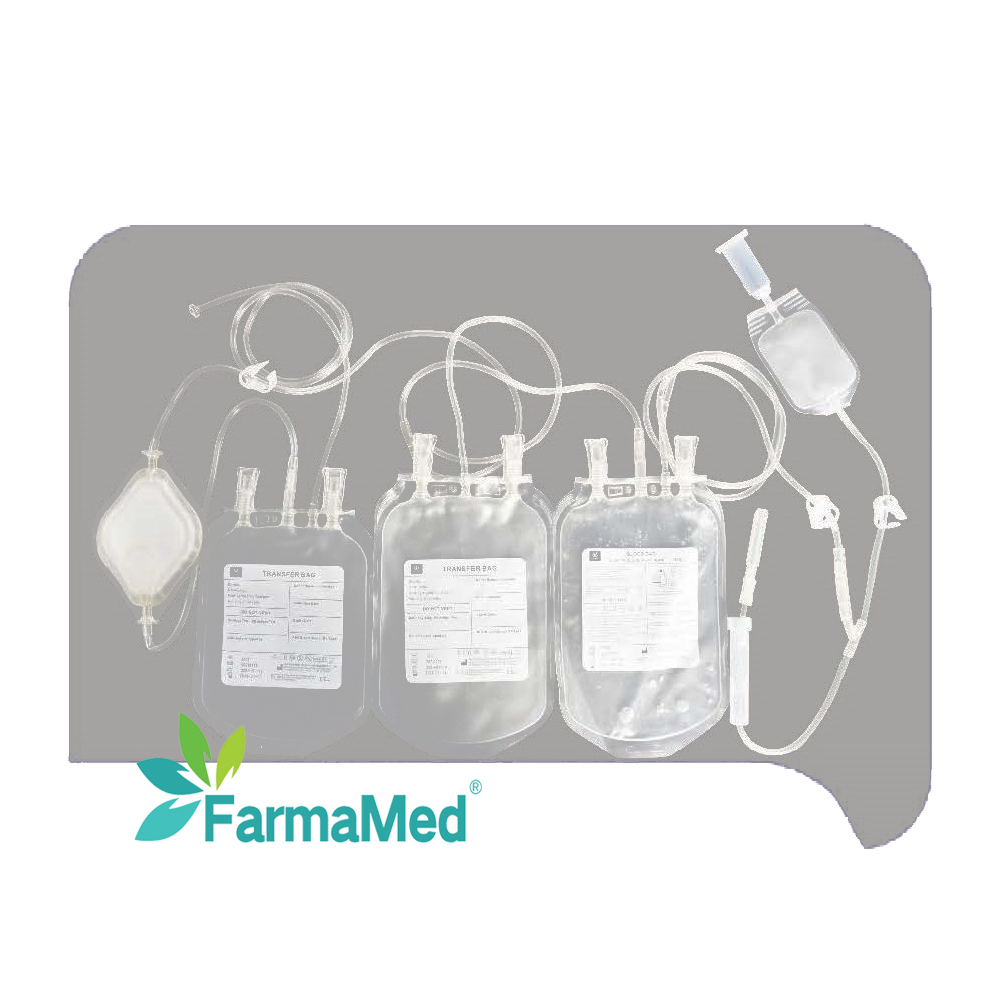
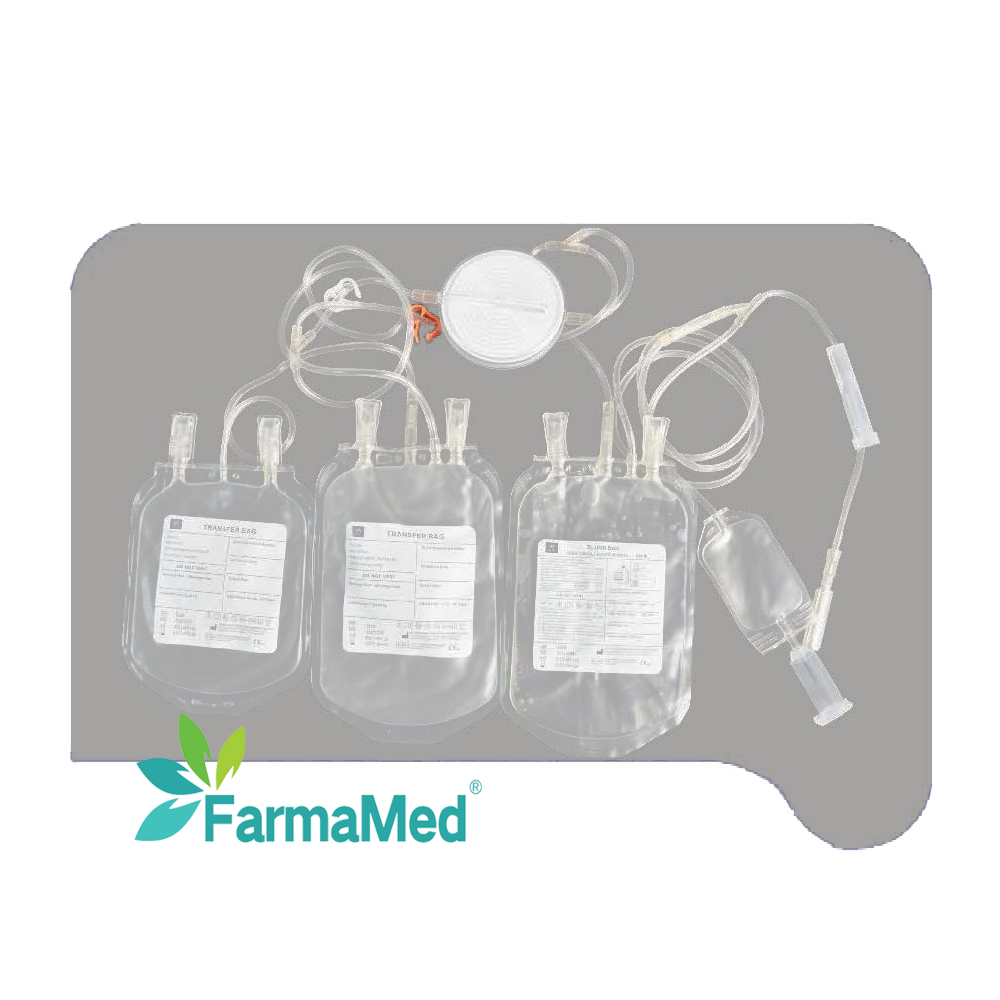
blood transfusion bags
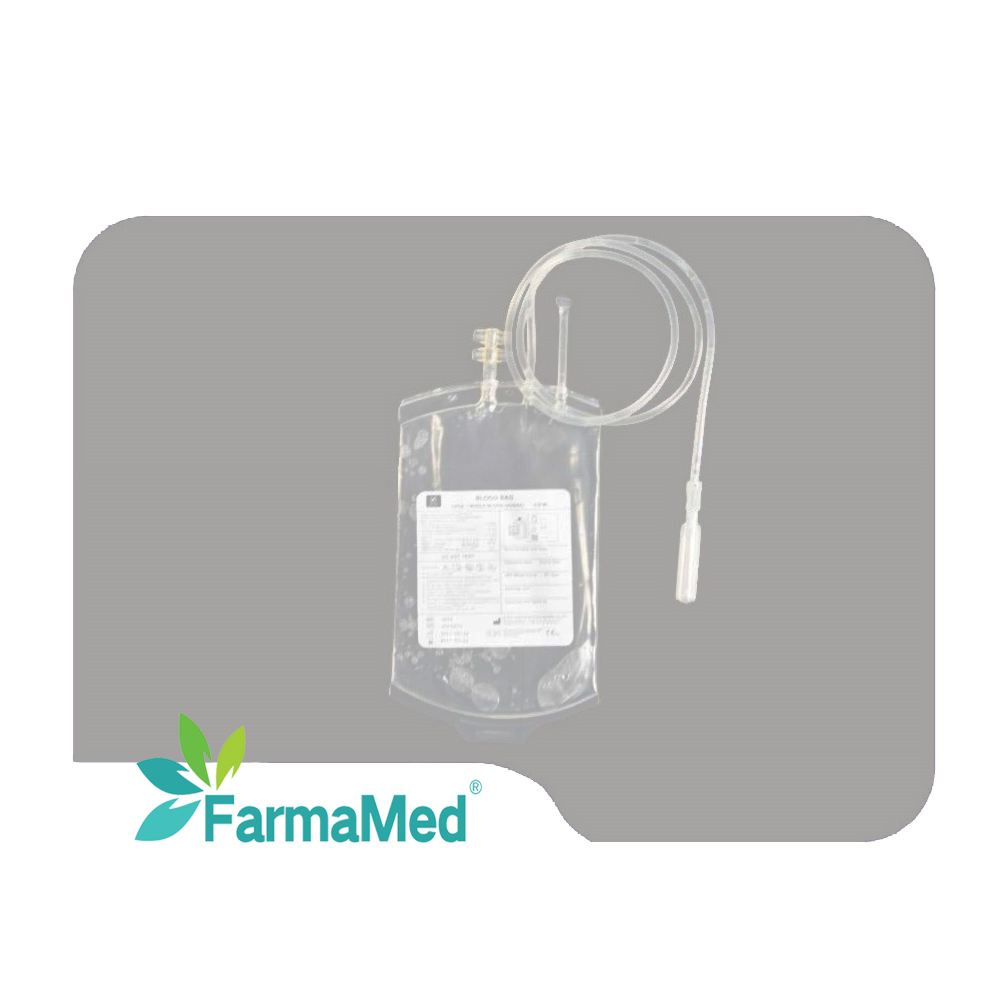
Blood transfusion bags are sterile, medical-grade containers specifically designed to collect, store, and transport blood and blood products safely. These specialized blood transfusion bags serve as essential components in modern healthcare systems, enabling effective blood banking operations and emergency medical care. Blood transfusion bags are manufactured using biocompatible plastic materials that prevent contamination and maintain blood integrity throughout storage periods. The primary functions of blood transfusion bags include secure collection from donors, proper preservation of cellular components, and safe administration to patients requiring transfusions. Modern blood transfusion bags feature integrated anticoagulants and preservative solutions that extend shelf life while maintaining viable blood components. Advanced blood transfusion bags incorporate multiple collection and satellite bags, allowing for separation of whole blood into specific components like red cells, plasma, and platelets. The technological features include sterile needle systems, pressure-resistant construction, and graduated measurement scales for accurate volume tracking. Blood transfusion bags are utilized across hospitals, blood banks, emergency departments, and surgical centers worldwide. These bags support various applications including routine transfusions, surgical procedures, trauma care, and therapeutic exchanges. The design incorporates tubing connections that facilitate sterile transfers between bags and into patient intravenous lines. Blood transfusion bags undergo rigorous quality testing to meet international standards and regulatory requirements, ensuring optimal performance in critical clinical situations.

 EN
EN