 EN
EN

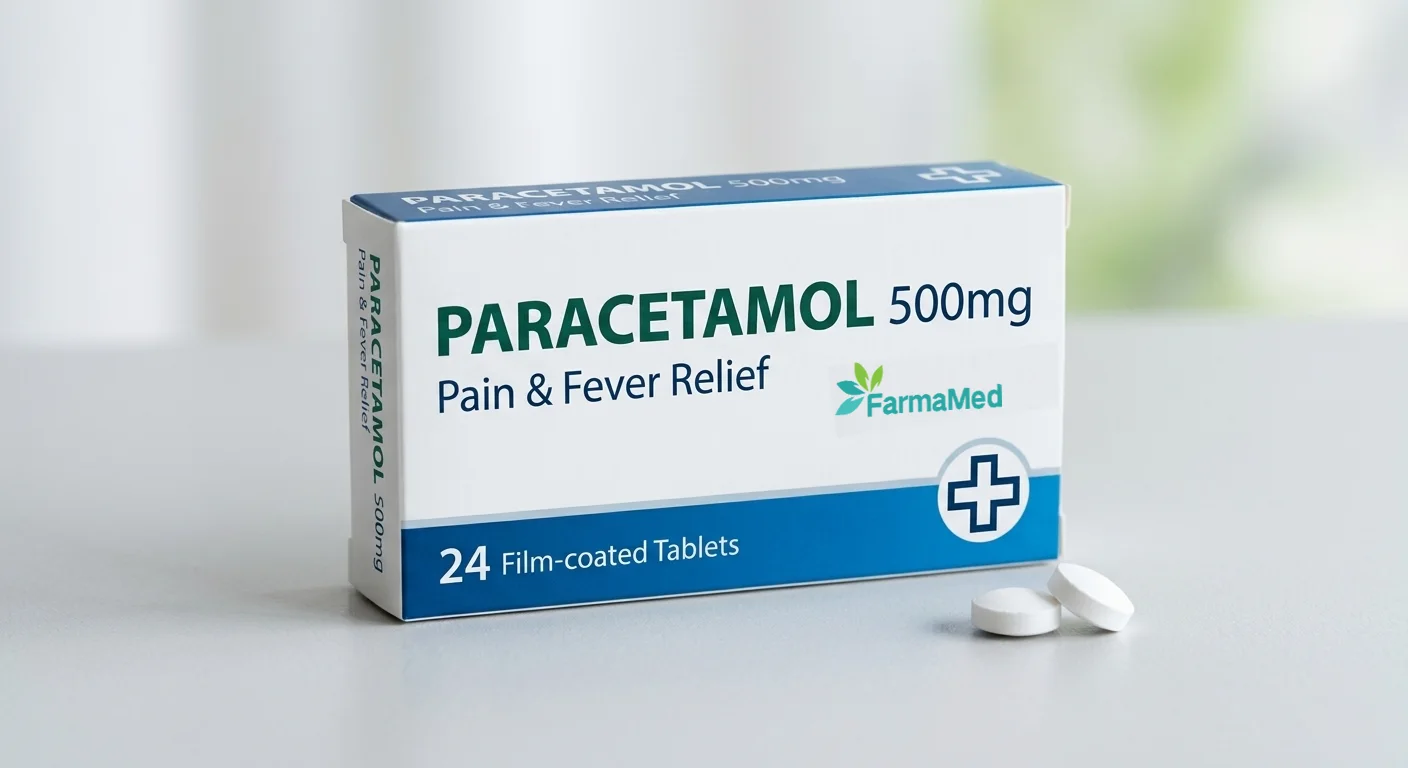
Paracetamol's inclusion on the World Health Organization Essential Medicines List establishes it as one of the most critical pharmaceutical products for global healthcare systems. When preparing tender response documentation for international procurement of paracetamol tablets, organizations must understand the specific regulatory requirements, quality standards, and documentation protocols that govern WHO-compliant pharmaceutical tenders. This comprehensive framework ensures that procured paracetamol tablets meet international safety and efficacy standards while supporting sustainable healthcare delivery in diverse global markets.

The WHO Essential Medicines List designation for paracetamol tablets creates specific obligations for pharmaceutical suppliers participating in international tender processes. These requirements encompass manufacturing quality assurance, regulatory compliance documentation, supply chain transparency, and post-market surveillance capabilities. Understanding these obligations enables pharmaceutical companies to develop comprehensive tender responses that demonstrate their capacity to deliver WHO-compliant paracetamol tablets while maintaining competitive positioning in international procurement markets.
WHO Essential Medicines List Requirements for Paracetamol Tablets
Essential Medicine Classification Standards
The WHO Essential Medicines List classifies paracetamol tablets under core medicines for pain management and fever reduction, establishing specific criteria that must be addressed in tender documentation. These standards require demonstration of therapeutic equivalence to reference products, bioavailability studies confirming absorption profiles, and stability data supporting shelf-life claims. Pharmaceutical suppliers must provide comprehensive documentation proving their paracetamol tablets meet these fundamental classification requirements.
Documentation must include detailed pharmaceutical development reports demonstrating formulation consistency, manufacturing process validation, and quality control testing protocols. The WHO framework requires evidence of dissolution testing, content uniformity analysis, and impurity profiling that confirms product safety and efficacy. These technical requirements form the foundation of acceptable tender responses for paracetamol tablets procurement.
Regulatory Harmonization Compliance
WHO Essential Medicine status requires paracetamol tablets to comply with International Council for Harmonisation guidelines, creating specific documentation obligations for tender responses. Suppliers must demonstrate adherence to Good Manufacturing Practices, provide regulatory approval certificates from stringent regulatory authorities, and submit comprehensive quality dossiers supporting product registration. This harmonization framework ensures that procured paracetamol tablets maintain consistent quality standards across different healthcare systems.
The regulatory compliance documentation must include certificates of analysis, batch release protocols, and change control procedures that demonstrate ongoing quality assurance capabilities. International procurement organizations require evidence of regulatory oversight, inspection history, and corrective action protocols that ensure continuous compliance with WHO standards. These requirements establish the credibility foundation necessary for successful tender participation.
Technical Documentation Requirements for International Tenders
Manufacturing Quality Assurance Documentation
International tender responses for paracetamol tablets must include comprehensive manufacturing quality assurance documentation that demonstrates facility capabilities and process controls. This documentation encompasses facility licensing certificates, equipment qualification protocols, and environmental monitoring data that prove manufacturing environment suitability. Procurement organizations evaluate these documents to assess supplier capability for consistent production of WHO-compliant paracetamol tablets.
Quality assurance documentation must detail raw material sourcing protocols, incoming inspection procedures, and supplier qualification processes that ensure ingredient quality and consistency. The documentation should include statistical process control data, trend analysis reports, and continuous improvement initiatives that demonstrate proactive quality management. These technical specifications provide procurement teams with confidence in supplier reliability and product consistency.
Product Specification and Testing Protocols
Tender documentation must provide detailed product specifications for paracetamol tablets including active ingredient content, excipient composition, and physical characteristics that ensure therapeutic equivalence. These specifications must align with pharmacopoeial standards while demonstrating superior quality attributes that differentiate the product in competitive procurement scenarios. Documentation should include comparative dissolution studies, stability testing results, and bioequivalence data supporting therapeutic claims.
Testing protocol documentation must outline analytical methods, validation studies, and reference standard procedures that ensure accurate quality assessment of paracetamol tablets. International procurement requires evidence of method transfer capabilities, laboratory accreditation status, and proficiency testing participation that demonstrates analytical competence. These protocols establish the technical foundation for quality assurance throughout the product lifecycle.
Supply Chain and Logistics Documentation
Distribution Network Capabilities
International procurement of paracetamol tablets requires comprehensive documentation of distribution network capabilities including cold chain management, transportation protocols, and delivery timing guarantees. Suppliers must demonstrate their ability to maintain product integrity throughout global distribution channels while meeting specific delivery requirements for diverse geographic regions. This documentation includes warehouse certifications, transportation validation studies, and tracking system capabilities that ensure product traceability.
Distribution documentation must detail packaging specifications, labeling requirements, and serialization capabilities that support international regulatory compliance and anti-counterfeiting measures. The supply chain documentation should include contingency planning protocols, alternative sourcing arrangements, and capacity expansion capabilities that ensure reliable supply continuity. These logistics capabilities directly impact procurement decision-making for large-scale paracetamol tablets acquisition.
Regulatory Export and Import Compliance
Tender responses must include comprehensive export-import compliance documentation that facilitates smooth customs clearance and regulatory acceptance in destination countries. This documentation encompasses export licensing certificates, Good Manufacturing Practice certificates, and product registration status in target markets. Pharmaceutical suppliers must demonstrate their understanding of international trade regulations and their capability to navigate complex regulatory environments for paracetamol tablets distribution.
The compliance documentation should include certificates of pharmaceutical products, free sale certificates, and manufacturing site inspection reports that satisfy importing country requirements. International procurement organizations require evidence of established regulatory relationships, import permit facilitation capabilities, and post-market surveillance compliance that ensures smooth product introduction and ongoing availability.
Competitive Positioning and Value Proposition
Cost-Effectiveness Analysis Documentation
Successful tender responses for paracetamol tablets procurement must include comprehensive cost-effectiveness analysis that demonstrates superior value proposition compared to alternative sourcing options. This analysis encompasses total cost of ownership calculations, quality-adjusted pricing models, and long-term partnership value assessments that support procurement decision-making. The documentation should highlight operational efficiencies, risk mitigation capabilities, and value-added services that justify premium positioning.
The cost-effectiveness documentation must include detailed pricing structures, volume discount schedules, and payment term options that provide procurement flexibility and budget optimization opportunities. Suppliers should demonstrate their understanding of healthcare economics and their commitment to supporting accessible healthcare through competitive pricing strategies for paracetamol tablets procurement.
Technical Differentiation and Innovation
International tender documentation should highlight technical innovations and quality enhancements that differentiate paracetamol tablets from standard market offerings. This includes advanced formulation technologies, enhanced stability profiles, and improved patient compliance features that add therapeutic value. The documentation must provide clinical evidence, comparative studies, and user feedback data that support innovation claims and demonstrate superior product performance.
Innovation documentation should detail research and development capabilities, patent portfolios, and continuous improvement initiatives that ensure ongoing product enhancement and competitive advantage. International procurement organizations value suppliers who demonstrate commitment to pharmaceutical innovation and their capability to deliver next-generation paracetamol tablets that improve patient outcomes and healthcare system efficiency.
Risk Management and Compliance Assurance
Quality Risk Assessment and Mitigation
Tender responses must include comprehensive quality risk assessment documentation that identifies potential risks to paracetamol tablets quality and outlines specific mitigation strategies. This documentation encompasses process risk analysis, supplier risk evaluation, and environmental risk assessment that demonstrate proactive quality management capabilities. The risk assessment should include probability analysis, impact evaluation, and control measure effectiveness that ensure consistent product quality throughout the supply chain.
Risk mitigation documentation must detail contingency planning protocols, alternative sourcing arrangements, and quality escalation procedures that ensure rapid response to quality issues. International procurement requires evidence of risk monitoring systems, trend analysis capabilities, and corrective action protocols that prevent quality problems and ensure continuous improvement in paracetamol tablets production and distribution.
Regulatory Compliance Monitoring Systems
International tender documentation must demonstrate robust regulatory compliance monitoring systems that ensure ongoing adherence to WHO Essential Medicines List requirements and destination country regulations. This includes change control procedures, regulatory intelligence systems, and compliance audit protocols that maintain regulatory status throughout the contract period. The documentation should provide evidence of proactive regulatory monitoring and rapid response capabilities for regulatory changes affecting paracetamol tablets.
Compliance monitoring documentation must include regulatory relationship management, communication protocols, and documentation update procedures that ensure continuous regulatory alignment. International procurement organizations require assurance that suppliers maintain current regulatory knowledge and demonstrate capability to adapt quickly to changing regulatory requirements while maintaining uninterrupted supply of compliant paracetamol tablets.
FAQ
What specific WHO documentation is required for paracetamol tablets tender responses?
WHO tender responses for paracetamol tablets require WHO prequalification certificates, Good Manufacturing Practice certificates from WHO-recognized authorities, product dossiers demonstrating compliance with WHO technical specifications, and evidence of Essential Medicines List inclusion. Additional documentation includes quality control testing protocols, stability studies, bioequivalence data, and regulatory approval certificates from stringent regulatory authorities that confirm product safety and efficacy.
How do WHO Essential Medicines List requirements impact pricing strategies for international procurement?
WHO Essential Medicines List status creates pricing transparency requirements and cost-effectiveness expectations that influence tender pricing strategies for paracetamol tablets. Suppliers must demonstrate value-based pricing models that balance quality assurance costs with accessibility requirements, provide detailed cost breakdowns justifying pricing structures, and offer volume-based pricing tiers that support large-scale procurement objectives while maintaining sustainable profit margins.
What supply chain documentation is essential for international paracetamol tablets procurement?
Essential supply chain documentation includes distribution network maps, cold chain validation studies, transportation protocols, warehouse certifications, and capacity planning analyses that demonstrate reliable delivery capabilities for paracetamol tablets. Additional requirements include contingency planning documentation, alternative sourcing arrangements, tracking system capabilities, and customs clearance facilitation protocols that ensure smooth international distribution and regulatory compliance.
How should pharmaceutical companies prepare for WHO-compliant paracetamol tablets tender evaluation processes?
Pharmaceutical companies should prepare comprehensive technical dossiers demonstrating WHO compliance, develop detailed quality assurance documentation, establish regulatory relationship networks, and create competitive positioning analyses that highlight unique value propositions for paracetamol tablets procurement. Preparation should include stakeholder engagement strategies, presentation materials, reference customer testimonials, and post-award implementation planning that demonstrates readiness for immediate contract execution and long-term partnership success.
Table of Contents
- WHO Essential Medicines List Requirements for Paracetamol Tablets
- Technical Documentation Requirements for International Tenders
- Supply Chain and Logistics Documentation
- Competitive Positioning and Value Proposition
- Risk Management and Compliance Assurance
-
FAQ
- What specific WHO documentation is required for paracetamol tablets tender responses?
- How do WHO Essential Medicines List requirements impact pricing strategies for international procurement?
- What supply chain documentation is essential for international paracetamol tablets procurement?
- How should pharmaceutical companies prepare for WHO-compliant paracetamol tablets tender evaluation processes?