
 EN
EN

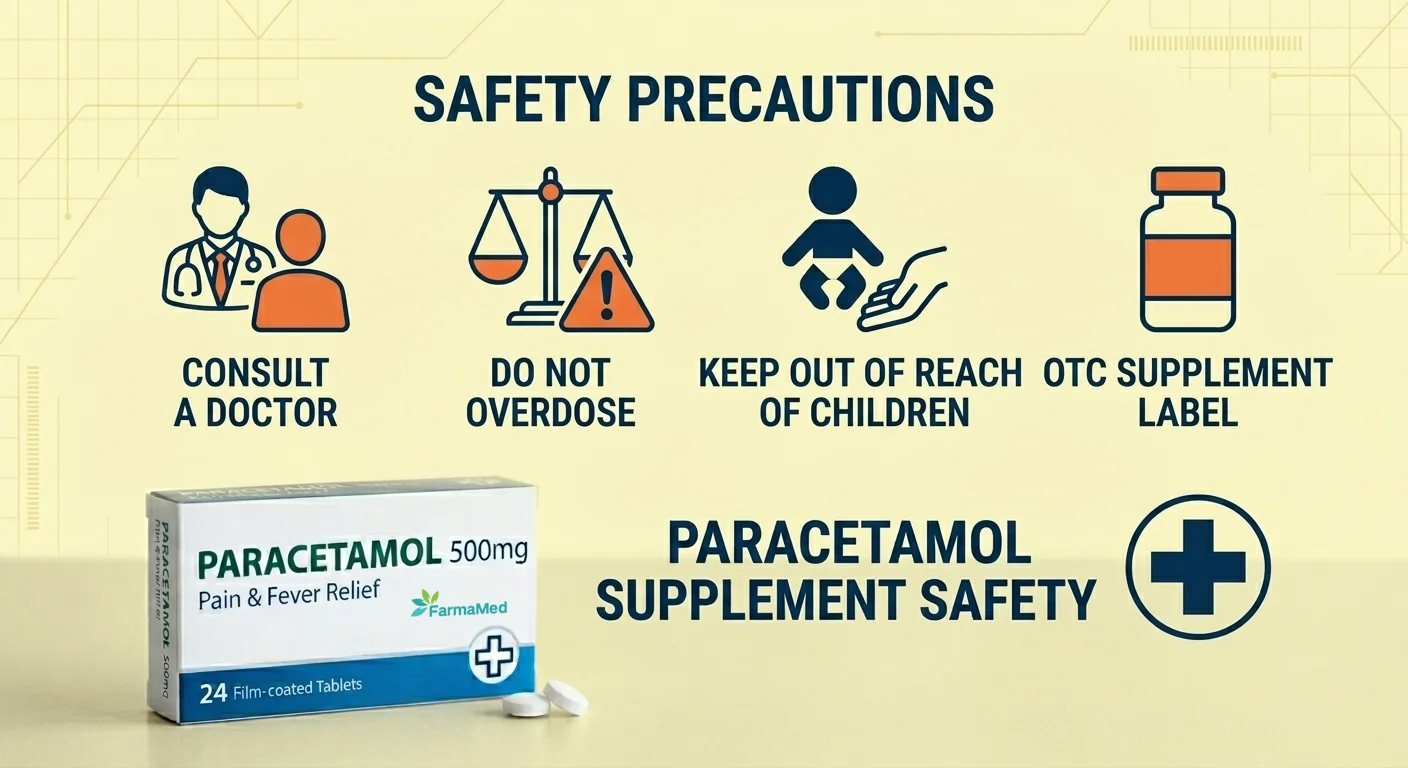
The pediatric pharmaceutical market faces a persistent challenge that extends far beyond simple dosage adjustments: making essential medications palatable for young patients. Paracetamol tablets, while representing one of the most widely prescribed analgesic and antipyretic medications globally, present significant taste-related barriers in pediatric applications. The inherently bitter and unpleasant taste profile of paracetamol creates substantial compliance issues, leading to treatment failures and increased healthcare costs. This challenge has sparked unprecedented B2B demand for innovative taste masking technologies specifically designed for paracetamol tablets, driving pharmaceutical manufacturers to seek sophisticated formulation solutions that can transform the patient experience while maintaining therapeutic efficacy.

The emergence of specialized taste masking technologies for pediatric paracetamol tablets represents a convergence of pharmaceutical innovation, regulatory requirements, and market demand. Healthcare providers increasingly recognize that medication adherence in pediatric populations directly correlates with treatment outcomes, making taste acceptability a critical factor in therapeutic success. Pharmaceutical companies are responding to this challenge by investing heavily in research and development of advanced coating technologies, encapsulation methods, and novel delivery systems that can effectively mask the bitter taste of paracetamol while ensuring proper drug release profiles. These technological advances are not merely cosmetic improvements but represent fundamental shifts in pediatric pharmaceutical development that address real clinical needs and improve patient care outcomes.
Coating Technology Innovations for Paracetamol Tablet Palatability
Enteric and Polymer-Based Coating Systems
Modern coating technologies for paracetamol tablets utilize sophisticated polymer systems that create physical barriers between the active pharmaceutical ingredient and taste receptors. Enteric coatings, traditionally used for gastric protection, have been adapted specifically for taste masking applications in pediatric formulations. These coatings employ polymers such as methacrylic acid copolymers and cellulose acetate phthalate that remain intact in the oral cavity but dissolve rapidly in the stomach environment. The selection of appropriate coating materials requires careful consideration of dissolution kinetics, as the coating must effectively mask taste while allowing for proper drug release and bioavailability of paracetamol tablets.
Advanced polymer coating formulations incorporate plasticizers, anti-tack agents, and taste-masking enhancers that work synergistically to create optimal organoleptic properties. The coating process itself requires precise control of spray rates, inlet air temperatures, and coating solution concentrations to achieve uniform coverage and consistent taste masking performance. Pharmaceutical manufacturers are increasingly adopting fluid bed coating systems and pan coating technologies that can accommodate the specific requirements of pediatric paracetamol tablets, including smaller tablet sizes and modified release profiles.
Quality control parameters for coated paracetamol tablets extend beyond traditional pharmaceutical testing to include sensory evaluation protocols and taste panel assessments. These comprehensive testing approaches ensure that the final product meets both regulatory standards and practical clinical requirements for pediatric use. The development of standardized taste testing methodologies has become crucial for B2B pharmaceutical partnerships, as consistent palatability metrics enable better product positioning and market success.
Functional Film Coating Applications
Functional film coatings represent an evolution beyond traditional taste masking approaches, incorporating active ingredients and excipients that enhance both palatability and therapeutic performance. These advanced coating systems can include sweeteners, flavor enhancers, and even additional active pharmaceutical ingredients that complement the analgesic effects of paracetamol. The integration of multiple functional components within the coating layer allows for more sophisticated pediatric formulations that address comprehensive treatment needs while maintaining excellent taste profiles.
The formulation of functional film coatings requires extensive compatibility testing to ensure that all components remain stable throughout the product lifecycle. Paracetamol tablets with functional coatings must undergo accelerated stability studies that evaluate both chemical stability and organoleptic properties under various environmental conditions. These studies are particularly important for pediatric formulations, as they often require longer shelf lives and may be stored in diverse climate conditions across global markets.
Manufacturing scalability represents a critical consideration for functional film coating technologies, as B2B pharmaceutical partnerships often require rapid scale-up capabilities to meet market demand. Advanced coating equipment and process optimization techniques enable pharmaceutical manufacturers to transition from laboratory-scale development to commercial production while maintaining consistent quality and taste masking performance across batch sizes.
Encapsulation and Microencapsulation Technologies
Microsphere and Microcapsule Development
Microencapsulation technology offers sophisticated approaches to taste masking that work at the molecular level to prevent interaction between paracetamol and taste receptors. This technology involves creating microscopic capsules or spheres that contain the active pharmaceutical ingredient within protective polymer matrices. The selection of encapsulation materials, such as ethylcellulose, Eudragit polymers, or lipid-based systems, determines both the taste masking effectiveness and the drug release characteristics of the final paracetamol tablets.
Spray drying and fluid bed coating represent the most commonly employed methods for creating microencapsulated paracetamol particles suitable for tablet compression. These processes require precise control of particle size distribution, moisture content, and polymer coating thickness to achieve optimal taste masking performance. The resulting microencapsulated particles can be compressed directly into tablets or combined with additional excipients to create more complex formulation systems that address specific pediatric requirements.
Quality assurance for microencapsulated paracetamol tablets involves sophisticated analytical techniques including particle size analysis, coating integrity testing, and drug release profiling. These comprehensive testing protocols ensure that the microencapsulation process consistently produces particles with appropriate taste masking properties while maintaining the required bioavailability and therapeutic efficacy of the paracetamol tablets.
Liposomal and Lipid-Based Encapsulation Systems
Lipid-based encapsulation technologies represent cutting-edge approaches to taste masking that utilize natural and synthetic lipids to create protective barriers around paracetamol particles. These systems offer several advantages over traditional polymer-based approaches, including improved biocompatibility, enhanced stability, and more natural taste profiles that are particularly appealing for pediatric applications. Liposomal encapsulation can effectively sequester bitter taste compounds while allowing for controlled release of the active ingredient in the gastrointestinal tract.
The formulation development process for lipid-based encapsulated paracetamol tablets requires specialized expertise in lipid chemistry and emulsification technologies. Manufacturing considerations include temperature control during processing, oxidation prevention, and moisture protection throughout the production cycle. These technical requirements have created opportunities for specialized B2B partnerships between pharmaceutical companies and lipid technology providers who possess the necessary expertise and equipment capabilities.
Market adoption of lipid-based encapsulation technologies for paracetamol tablets has been driven by increasing consumer preference for natural ingredients and clean label formulations. Pharmaceutical companies are recognizing that parents and healthcare providers increasingly favor products that utilize naturally derived excipients and avoid synthetic additives when possible, creating competitive advantages for companies that can successfully implement these technologies.
Market Drivers and B2B Partnership Opportunities
Regulatory Environment and Pediatric Guidelines
The regulatory landscape for pediatric pharmaceuticals has evolved significantly in recent years, with agencies worldwide implementing specific guidelines that emphasize the importance of age-appropriate formulations. The European Medicines Agency and FDA have established comprehensive frameworks that require pharmaceutical companies to consider taste acceptability as a critical factor in pediatric drug development. These regulatory requirements have created substantial market opportunities for companies specializing in taste masking technologies for paracetamol tablets and other pediatric medications.
Regulatory compliance for taste-masked paracetamol tablets requires extensive documentation of formulation rationale, manufacturing processes, and clinical evidence supporting improved patient compliance. The regulatory pathway involves demonstrating that taste masking technologies do not adversely affect drug safety, efficacy, or quality while providing measurable improvements in palatability. This comprehensive approach to regulatory submission has increased the demand for specialized consulting services and technology partnerships that can navigate the complex regulatory environment.
International harmonization efforts have created opportunities for pharmaceutical companies to leverage taste masking technologies across multiple global markets. Companies that can successfully develop paracetamol tablets that meet regulatory requirements in major markets gain significant competitive advantages and can establish valuable B2B partnerships with international distributors and healthcare organizations seeking pediatric formulation solutions.
Healthcare Provider Demands and Clinical Evidence
Healthcare providers are increasingly demanding evidence-based solutions that demonstrate improved patient outcomes through better medication adherence. Clinical studies evaluating taste-masked paracetamol tablets have consistently shown significant improvements in pediatric compliance rates, reduced treatment failures, and enhanced overall therapeutic outcomes. These clinical benefits have created strong market demand from hospitals, pediatric clinics, and primary care providers who recognize the value of improved palatability in achieving treatment goals.
The economic impact of medication non-adherence in pediatric populations has become a significant concern for healthcare systems worldwide. Poor compliance with paracetamol therapy can lead to inadequate pain management, prolonged illness duration, and increased healthcare utilization costs. Healthcare economic studies have demonstrated that investments in taste masking technologies for paracetamol tablets can generate substantial cost savings through improved treatment outcomes and reduced need for alternative therapies or hospitalization.
Medical education and awareness programs have played crucial roles in driving adoption of taste-masked paracetamol tablets among healthcare providers. Pharmaceutical companies are investing in educational initiatives that highlight the clinical benefits of improved palatability and provide healthcare providers with practical guidance on selecting appropriate pediatric formulations for their patients. These educational efforts create opportunities for B2B partnerships with medical societies, hospital systems, and continuing education providers.
Technology Transfer and Manufacturing Considerations
Production Scalability and Quality Systems
The successful commercialization of taste-masked paracetamol tablets requires sophisticated manufacturing capabilities that can consistently produce high-quality products at commercial scale. Technology transfer processes involve complex coordination between research and development teams, manufacturing specialists, and quality assurance personnel to ensure that laboratory-scale formulations can be reproduced reliably in production environments. This process requires detailed documentation of critical process parameters, equipment specifications, and quality control procedures specific to taste masking technologies.
Manufacturing equipment selection represents a critical factor in successful production of taste-masked paracetamol tablets. Specialized coating equipment, controlled atmosphere systems, and advanced analytical instruments are often required to maintain consistent product quality and taste masking performance. The capital investment requirements for these manufacturing capabilities have created opportunities for contract manufacturing partnerships and technology licensing agreements that allow pharmaceutical companies to access advanced production capabilities without significant infrastructure investments.
Quality management systems for taste-masked paracetamol tablets must incorporate specialized testing protocols and sensory evaluation procedures that go beyond traditional pharmaceutical quality control measures. These comprehensive quality systems require trained personnel, specialized testing facilities, and validated analytical methods that can accurately assess both pharmaceutical quality and organoleptic properties. The development of these quality capabilities represents a significant competitive advantage for manufacturing organizations serving the pediatric pharmaceutical market.
Supply Chain Integration and Partnership Models
The complexity of taste masking technologies for paracetamol tablets often requires specialized supply chain partnerships that bring together multiple technology providers, raw material suppliers, and manufacturing specialists. These integrated supply chain models enable pharmaceutical companies to access best-in-class technologies while maintaining competitive manufacturing costs and reliable product supply. Successful supply chain integration requires careful coordination of technical specifications, quality standards, and regulatory compliance across multiple partner organizations.
Risk management in taste masking technology supply chains involves comprehensive assessment of technical risks, regulatory risks, and commercial risks that could affect product availability or quality. Pharmaceutical companies are implementing robust supplier qualification programs and developing alternative sourcing strategies to ensure continuous supply of critical raw materials and technologies. These risk management approaches have created opportunities for technology providers that can demonstrate superior reliability and technical support capabilities.
International supply chain considerations for taste-masked paracetamol tablets include regulatory compliance across multiple jurisdictions, transportation and storage requirements for sensitive materials, and coordination of manufacturing schedules across global production networks. Companies that can successfully manage these complex international supply chains gain significant competitive advantages in serving global pediatric pharmaceutical markets and can establish valuable long-term B2B partnerships with international pharmaceutical companies.
FAQ
What are the main types of taste masking technologies used for paracetamol tablets?
The primary taste masking technologies for paracetamol tablets include polymer-based coating systems, microencapsulation techniques, and lipid-based encapsulation methods. Polymer coatings utilize materials like ethylcellulose and methacrylic acid copolymers to create physical barriers that prevent taste receptor interaction. Microencapsulation involves creating microscopic capsules containing the active ingredient within protective matrices, while lipid-based systems use natural and synthetic lipids to sequester bitter compounds. Each technology offers distinct advantages in terms of taste masking effectiveness, manufacturing requirements, and regulatory compliance for pediatric applications.
How do regulatory requirements affect the development of taste-masked paracetamol tablets?
Regulatory agencies worldwide have implemented specific guidelines emphasizing age-appropriate formulations for pediatric medications, including requirements for taste acceptability studies and clinical evidence supporting improved patient compliance. Pharmaceutical companies must demonstrate that taste masking technologies do not adversely affect drug safety, efficacy, or bioavailability while providing measurable palatability improvements. The regulatory pathway requires comprehensive documentation of formulation rationale, manufacturing processes, and quality control procedures, creating opportunities for specialized consulting and technology partnerships that can navigate these complex requirements effectively.
What manufacturing challenges are associated with producing taste-masked paracetamol tablets?
Manufacturing taste-masked paracetamol tablets requires specialized equipment, controlled processing environments, and sophisticated quality control systems that extend beyond traditional pharmaceutical manufacturing capabilities. Key challenges include maintaining consistent coating thickness and uniformity, controlling particle size distribution in microencapsulated systems, preventing coating defects during processing, and implementing sensory evaluation protocols alongside standard pharmaceutical testing. These technical requirements often necessitate significant capital investments in specialized equipment and facilities, driving the development of contract manufacturing partnerships and technology licensing agreements.
How do healthcare economic factors influence demand for taste-masked paracetamol tablets?
Healthcare economic studies demonstrate that medication non-adherence in pediatric populations generates substantial costs through prolonged illness duration, increased healthcare utilization, and treatment failures. Taste-masked paracetamol tablets address these economic challenges by improving patient compliance rates, reducing the need for alternative therapies, and decreasing healthcare system costs associated with poor medication adherence. Healthcare providers and payers increasingly recognize the value proposition of improved palatability, creating strong market demand and driving B2B partnerships focused on developing cost-effective pediatric formulation solutions that deliver measurable clinical and economic benefits.
Table of Contents
- Coating Technology Innovations for Paracetamol Tablet Palatability
- Encapsulation and Microencapsulation Technologies
- Market Drivers and B2B Partnership Opportunities
- Technology Transfer and Manufacturing Considerations
-
FAQ
- What are the main types of taste masking technologies used for paracetamol tablets?
- How do regulatory requirements affect the development of taste-masked paracetamol tablets?
- What manufacturing challenges are associated with producing taste-masked paracetamol tablets?
- How do healthcare economic factors influence demand for taste-masked paracetamol tablets?