
 EN
EN

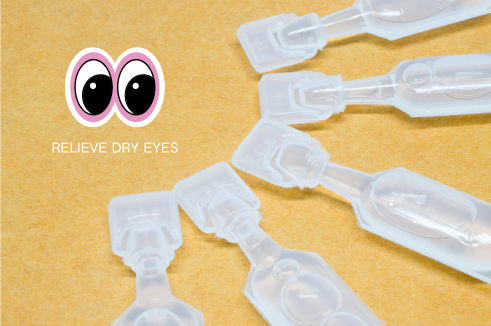
Exporting lubricant eye drops to the United States requires a thorough understanding of FDA regulations, OTC monograph standards, and compliance pathways. Manufacturers seeking to market lubricant eye drops in the US must navigate a complex regulatory landscape that differs significantly from most international markets. The FDA classifies lubricant eye drops as over-the-counter ophthalmic devices or drugs, depending on their intended use and formulation, which determines which regulatory pathway applies. Success in this market demands comprehensive knowledge of registration requirements, ingredient approvals, manufacturing standards, and labeling guidelines specific to lubricant eye drops.
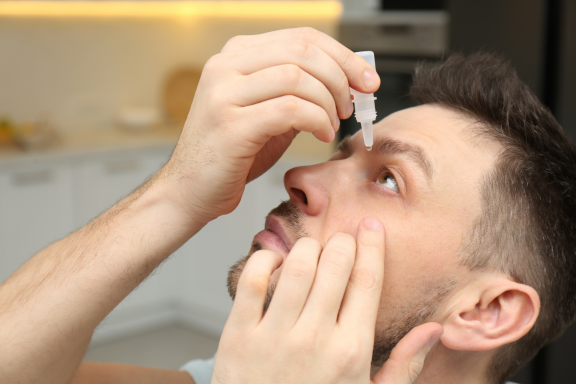
Understanding whether your lubricant eye drops fall under FDA drug classification or medical device classification is the first critical step in the regulatory process. The FDA's approach to lubricant eye drops hinges on both the product's intended use statement and its active ingredients. Some lubricant eye drops qualify for OTC monograph status, which streamlines the approval process by allowing manufacturers to follow established guidelines rather than submit individual New Drug Applications. This distinction significantly impacts timelines, costs, and regulatory complexity for exporters planning to bring lubricant eye drops to American consumers.
OTC Monograph Pathway for Lubricant Eye Drops
What Defines an OTC Monograph Product
An OTC monograph establishes FDA-recognized standards for over-the-counter drugs, including specific lubricant eye drops formulations that meet predefined criteria. The monograph system allows manufacturers of lubricant eye drops to market their products without submitting an individual New Drug Application if they comply with all monograph requirements. These regulations cover active ingredients, strengths, dosage forms, labeling requirements, and manufacturing standards for lubricant eye drops. The OTC monograph pathway represents a more efficient route to market compared to the new drug application process, provided that your lubricant eye drops exactly match the monograph specifications.
Eligible Active Ingredients and Formulation Requirements
The FDA's ophthalmic OTC monograph recognizes certain active ingredients suitable for lubricant eye drops, including polyethylene glycol, propylene glycol, carboxymethylcellulose, hydroxypropyl methylcellulose, and glycerin. Each approved ingredient for lubricant eye drops has established concentration ranges, and manufacturers must strictly adhere to these limits to maintain monograph compliance. The formulation of lubricant eye drops must also meet specific pH, osmolarity, and sterility requirements defined by the monograph. Any lubricant eye drops product that deviates from these established parameters must follow the new drug application pathway instead, significantly extending market entry timelines.
FDA Registration Requirements for Lubricant Eye Drops Manufacturers
Establishment Registration and Listing Process
All manufacturers producing lubricant eye drops for the US market must register their manufacturing establishments with the FDA and list their products in the agency's database. The registration process for lubricant eye drops requires submission of specific facility information, including manufacturing locations, quality control procedures, and responsible personnel. Manufacturers of lubricant eye drops must complete this registration electronically through the FDA's Industry Systems. Even if your lubricant eye drops follow an OTC monograph pathway, establishment registration remains mandatory and must be renewed biennially.
Quality System Regulation and Manufacturing Standards
FDA's Quality System Regulation establishes comprehensive manufacturing standards that apply to all lubricant eye drops produced for US distribution. These standards for lubricant eye drops cover equipment maintenance, process validation, materials management, environmental controls, and quality assurance documentation. Manufacturers must implement rigorous testing protocols for lubricant eye drops, including sterility assays, preservative efficacy testing, and stability studies. Compliance with Quality System Regulation represents a foundational requirement; any deficiencies in manufacturing controls for lubricant eye drops can result in regulatory action, import detention, or market recalls.
Labeling, Claims, and Market Entry Documentation
Required Labeling Elements for OTC Lubricant Eye Drops
Labeling for OTC lubricant eye drops must include specific warning statements, directions for use, and ingredient disclosures as mandated by FDA regulations. All lubricant eye drops labels must display warnings about discontinuing use if irritation persists, avoiding contact with certain populations, and seeking physician guidance for specific conditions. The directions for dosage and frequency for lubricant eye drops must be clear and restrict use to external application on the eye surface. False or misleading claims about the therapeutic benefits of lubricant eye drops are strictly prohibited; the product may only claim to lubricate and relieve dryness unless additional clinical data supports broader therapeutic claims.
Documentation and Pre-Market Compliance Steps
Before importing lubricant eye drops into the United States, exporters must compile comprehensive documentation demonstrating compliance with all applicable FDA standards. This documentation package for lubricant eye drops includes manufacturing protocols, quality testing reports, stability data, and evidence of establishment registration. Manufacturers should conduct a thorough FDA compliance audit of their lubricant eye drops product to identify any deviations from monograph or drug application requirements. Submitting complete, accurate documentation upfront prevents delays at US customs and reduces the risk of import refusal for lubricant eye drops shipments.
FDA
Can Lubricant Eye Drops Be Marketed Without FDA Pre-Approval
Lubricant eye drops following an established OTC monograph do not require individual FDA pre-approval; however, they must meet all monograph specifications exactly and the manufacturer must maintain proper registration and compliance status. This distinction from new drug applications means that monograph-compliant lubricant eye drops can proceed to market once establishment registration is complete and labeling meets all requirements. The absence of pre-approval does not eliminate regulatory responsibility; FDA inspections and post-market surveillance ensure ongoing compliance for lubricant eye drops. Any lubricant eye drops products that deviate from monograph parameters must obtain FDA approval before market entry, which involves a substantially longer review process.
What Happens During FDA Inspections of Lubricant Eye Drops Facilities
FDA field investigators conduct routine and for-cause inspections of manufacturing facilities producing lubricant eye drops to verify compliance with Quality System Regulation and current Good Manufacturing Practices. During these inspections, FDA officials review manufacturing records, test results, complaint logs, and quality procedures specific to lubricant eye drops production. Manufacturers of lubricant eye drops must demonstrate that all production batches meet established specifications for identity, purity, potency, and sterility. Inspection findings may result in warning letters or enforcement actions if significant compliance gaps are identified in lubricant eye drops manufacturing operations.
Are International Regulatory Approvals Sufficient for US Market Entry
Regulatory approvals obtained in other countries do not satisfy US FDA requirements; lubricant eye drops must independently comply with FDA standards even if already approved in Europe, Canada, or other markets. The FDA does not recognize foreign approvals as equivalent to its own compliance framework, so manufacturers cannot rely solely on international registrations for lubricant eye drops. Each market has distinct requirements, and lubricant eye drops approved in one region may require reformulation, additional testing, or different labeling to meet US standards. Exporters must conduct separate regulatory assessments and establish independent US compliance programs for lubricant eye drops products.


FAQ
What is the typical timeline for FDA registration of lubricant eye drops facilities?
Establishment registration for lubricant eye drops typically processes within 30 days of electronic submission, but manufacturers should allow additional time for resolving any deficiencies or clarifications requested by FDA. The overall market entry timeline for lubricant eye drops depends on whether the product qualifies for OTC monograph status or requires new drug application approval. Monograph-compliant lubricant eye drops can reach market within 3–6 months after registration completion, while new drug applications for lubricant eye drops may require 1–3 years. Advance planning and early regulatory consulting accelerate the market entry process for lubricant eye drops.
Can lubricant eye drops containing preservatives meet OTC monograph standards?
Yes, lubricant eye drops containing certain FDA-approved preservatives such as benzalkonium chloride or sodium perborate comply with OTC monograph standards if concentrations remain within established limits. The OTC ophthalmic monograph for lubricant eye drops permits specific preservatives at designated maximum concentrations to maintain product sterility and safety. However, lubricant eye drops formulated with non-monograph preservatives or at concentrations exceeding monograph limits must pursue new drug application approval instead. Manufacturers must verify that all preservatives in lubricant eye drops meet current monograph specifications before proceeding with US market entry.
What are the key differences between FDA drug and device classification for lubricant eye drops?
The FDA classifies lubricant eye drops as drugs if the intended use statement claims therapeutic benefits like relieving dryness or irritation, while device classification typically applies only if the product functions purely as a mechanical barrier without therapeutic claims. Most commercial lubricant eye drops qualify as drugs and must comply with drug manufacturing standards and OTC monograph requirements. Device-classified lubricant eye drops face less stringent pre-market requirements but remain subject to Quality System Regulation and post-market reporting obligations. The classification of lubricant eye drops fundamentally determines which regulatory pathway, inspections protocols, and compliance standards apply to the product throughout its US market lifecycle.