
 EN
EN

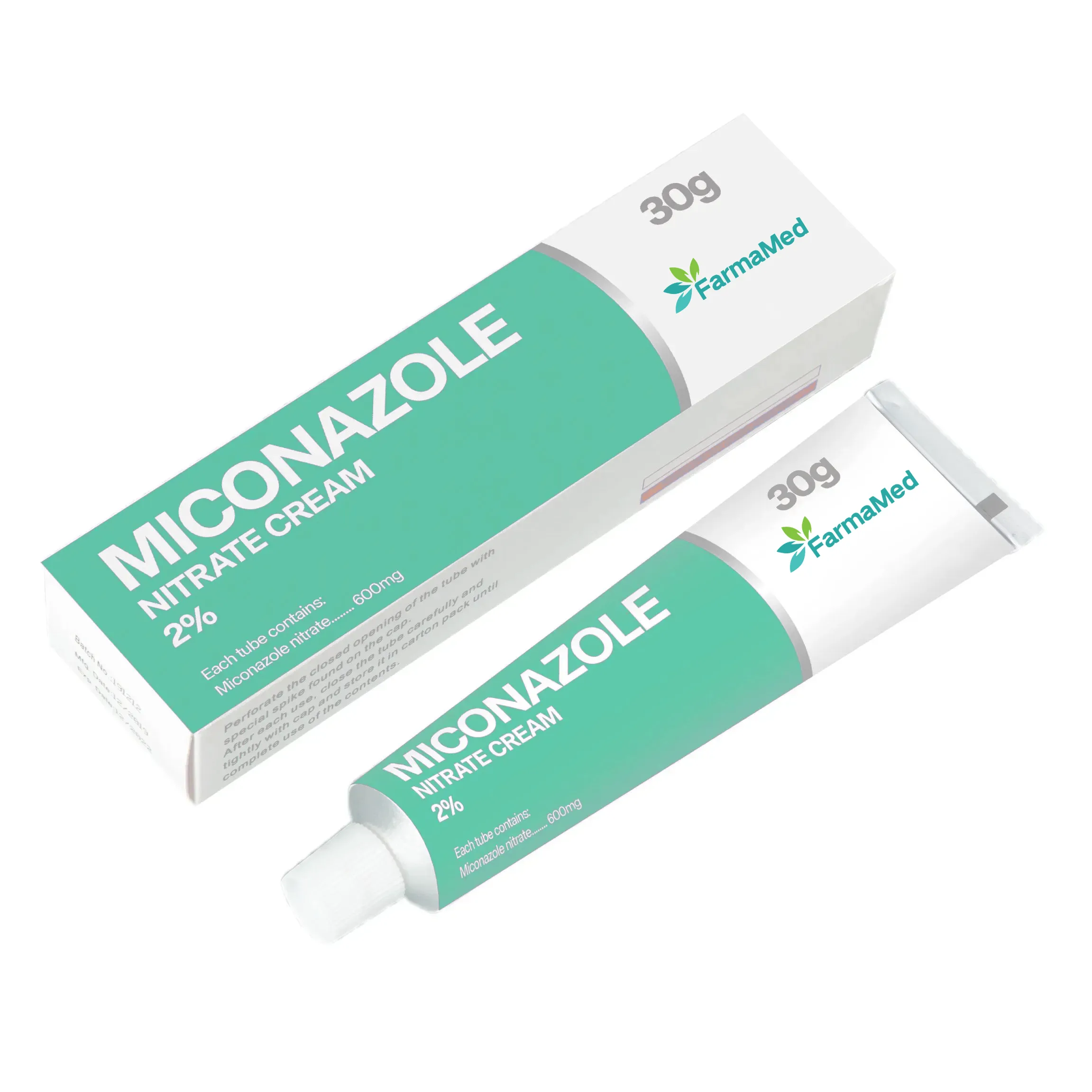
Selecting the right supplier for miconazole cream requires a systematic approach that balances regulatory compliance, product quality, and reliability. Tinea pedis and tinea cruris are common fungal infections affecting millions of patients annually, and healthcare providers must source miconazole cream from vendors who consistently meet stringent pharmaceutical standards. The qualification process ensures that your organization dispenses effective, safe, and compliant treatments while reducing operational risk.
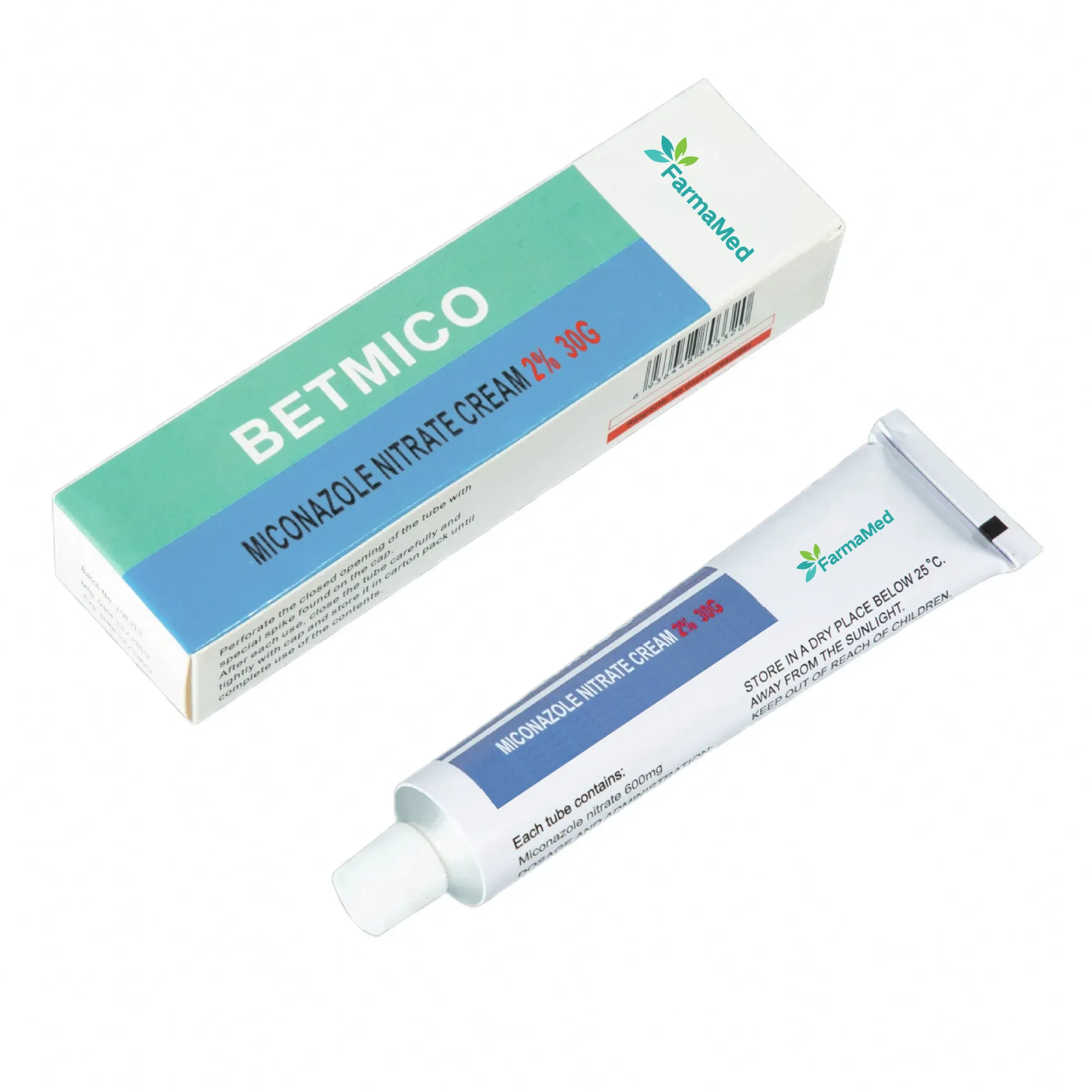
Miconazole cream remains one of the most prescribed topical antifungal agents for treating superficial fungal infections. When qualifying suppliers, you must verify that miconazole cream products carry appropriate regulatory clearances, maintain consistent potency throughout shelf life, and comply with Good Manufacturing Practice standards. This article outlines the essential criteria and evaluation framework for identifying suppliers whose miconazole cream offerings meet your organization's compliance and performance requirements.
Understanding Regulatory and Quality Standards for Miconazole Cream Suppliers
Verifying Regulatory Status and Product Registration
The foundation of supplier qualification involves confirming that miconazole cream products hold valid market authorizations. In the United States, miconazole cream must either be FDA-approved as a drug or qualify as an over-the-counter monograph product. Suppliers should provide documentation proving that miconazole cream formulations comply with the FDA's OTC Topical Antifungal Drug Products monograph. International suppliers must similarly demonstrate compliance with their respective regulatory bodies, whether Health Canada, the European Medicines Agency, or other recognized authorities. Request certificates of analysis and regulatory approval documents directly from suppliers, and verify their authenticity through independent regulatory databases where available.
Assessing Good Manufacturing Practice Compliance
Miconazole cream suppliers must operate under certified GMP facilities that maintain rigorous quality control protocols. During supplier audits, verify that manufacturing environments for miconazole cream meet environmental monitoring standards, temperature and humidity controls, and contamination prevention measures. Review the supplier's quality assurance documentation, including batch testing records, stability data, and adverse event monitoring systems specific to miconazole cream products. Suppliers should demonstrate that miconazole cream undergoes regular potency testing, sterility assurance where applicable, and microbial limit testing. Request copies of recent GMP inspection reports or third-party audit certifications that confirm the supplier's commitment to maintaining miconazole cream quality throughout the production and storage chain.
Evaluating Product Specifications and Clinical Efficacy
Confirming Miconazole Cream Potency and Formulation Consistency
Miconazole cream typically contains 2% miconazole nitrate as the active pharmaceutical ingredient. Suppliers should provide detailed product specifications confirming the exact miconazole cream concentration, inactive ingredient composition, and approved strength. Request stability study data showing that miconazole cream maintains potency throughout the full shelf life at storage conditions your organization uses. Verify that different batches of miconazole cream from the same supplier demonstrate consistent performance in independent laboratory testing. Ask suppliers for their standard microbial limits, water content specifications, and viscosity parameters for miconazole cream to ensure the product maintains appropriate texture and spreadability for patient application.
Reviewing Clinical Evidence and Supplier Track Record
Miconazole cream efficacy for tinea pedis and tinea cruris is well-established through clinical literature, but suppliers should also demonstrate their specific product's performance history. Request information about how long the supplier has manufactured miconazole cream, the number of units distributed annually, and their adverse event reporting statistics. Ask for references from other healthcare institutions or distributors who purchase miconazole cream from the supplier. Inquire about the supplier's approach to pharmacovigilance and how they respond to safety signals or quality issues related to miconazole cream. Suppliers with transparent track records and positive references provide greater confidence in miconazole cream quality and support reliability.
Establishing Supplier Agreements and Ongoing Compliance Monitoring
Negotiating Terms and Service Standards
Once you identify qualified miconazole cream suppliers, formalize the relationship through a comprehensive supplier agreement that specifies quality expectations, pricing, delivery schedules, and accountability measures. The agreement should mandate that miconazole cream meets all applicable regulatory requirements at the time of shipment and define acceptable shelf life upon receipt. Include provisions requiring suppliers to notify your organization immediately if miconazole cream products experience recalls, regulatory actions, or manufacturing changes. Establish minimum shelf life requirements to ensure patients receive miconazole cream with adequate remaining potency. Specify that miconazole cream shipments include complete documentation, including certificates of analysis, batch numbers, and expiration dates. Build flexibility into the agreement to allow for additional audits or testing if quality concerns arise.
Implementing Ongoing Supplier Monitoring and Performance Metrics
Supplier qualification is not a one-time activity; miconazole cream suppliers require regular monitoring to ensure sustained compliance. Establish a schedule for periodic audits of suppliers' manufacturing facilities where miconazole cream is produced, ideally annually or when significant changes occur. Track on-time delivery performance, order accuracy, and responsiveness to inquiries specific to miconazole cream shipments. Maintain records of any complaints, returns, or quality issues associated with miconazole cream purchased from each supplier. Request updated certificates of analysis for each miconazole cream batch received, and conduct your own identity and potency testing on a sampling basis if your organization has laboratory capability. Review regulatory news and industry alerts regularly to identify if any miconazole cream manufacturer faces compliance actions or recalls. Consider developing a scorecard system that rates suppliers on multiple criteria related to miconazole cream quality, reliability, and regulatory standing.

FAQ
What regulatory documents should I request from a miconazole cream supplier?
Request FDA approval letters or OTC monograph compliance documentation, certificates of analysis confirming miconazole cream potency and identity, GMP inspection reports or third-party audit certifications, stability study data demonstrating miconazole cream shelf life support, and pharmacovigilance reports showing adverse event management for miconazole cream products. Additionally, obtain product liability insurance certificates and regulatory notifications from any countries where miconazole cream is marketed to confirm ongoing compliance.
How often should I audit miconazole cream suppliers after initial qualification?
Industry best practice recommends auditing miconazole cream suppliers at least annually, with additional unannounced visits if quality issues arise or significant operational changes occur at the supplier's facility. At minimum, review updated certificates of analysis for every miconazole cream batch, monitor regulatory alerts quarterly, and conduct periodic potency testing on representative samples. Increase audit frequency if the supplier experiences compliance violations or if miconazole cream batch failures occur.
What should I do if a miconazole cream supplier fails compliance requirements?
If a supplier fails compliance testing or regulatory verification, immediately halt purchases of their miconazole cream and quarantine existing inventory for evaluation. Document the specific deficiencies, notify the supplier, and establish a written corrective action plan with timelines for remediation. Do not release miconazole cream from the failed supplier until they provide evidence of corrective actions and pass additional testing. If critical issues cannot be resolved, initiate replacement with a pre-qualified alternative miconazole cream supplier to maintain continuity of patient access to compliant treatment options.