
 EN
EN

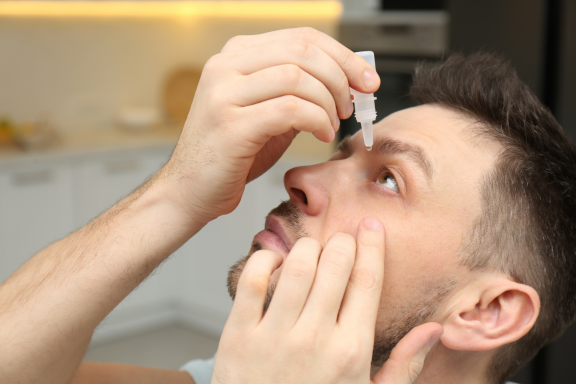
Verifying the sterility and safety of lubricant eye drops is one of the most critical responsibilities in B2B procurement. When sourcing lubricant eye drops for clinical use, distribution, or institutional settings, relying solely on supplier claims is insufficient. Third-party test reports provide objective, verifiable evidence that lubricant eye drops meet established sterility standards and safety requirements. Understanding how to read, interpret, and validate these reports ensures your organization receives products that protect patient safety and comply with regulatory expectations.

The verification process for lubricant eye drops involves examining multiple layers of documentation, testing methodologies, and compliance certifications. Third-party laboratories conduct independent microbial testing, bacterial endotoxin assays, and sterility confirmation to validate that lubricant eye drops are free from contamination. This article walks you through the essential components of sterility assurance verification, how to evaluate test report authenticity, and what metrics matter most when comparing lubricant eye drops from different suppliers.
Understanding Third-Party Sterility Testing for Lubricant Eye Drops
What Third-Party Testing Means for Lubricant Eye Drops
Third-party testing refers to independent laboratory analysis conducted by accredited facilities that are not owned or controlled by the product manufacturer. For lubricant eye drops, this independence is crucial because it removes potential bias from supplier-conducted testing. Accredited third-party laboratories follow standardized protocols established by regulatory bodies such as the United States Pharmacopeia (USP), European Pharmacopoeia (EP), and International Organization for Standardization (ISO). When you receive test reports for lubricant eye drops from these facilities, you gain confidence that the testing was performed objectively and documented transparently.
Key Testing Standards for Lubricant Eye Drops
Sterility assurance for lubricant eye drops relies on multiple testing methods. The sterility test itself involves cultivating samples of lubricant eye drops in specialized growth media to detect any viable microorganisms. Bacterial endotoxin testing measures contamination from gram-negative bacterial fragments, which are particularly hazardous in ophthalmic products. The United States Pharmacopeia (USP)
How to Evaluate Third-Party Test Reports for Lubricant Eye Drops
Identifying Authentic Third-Party Documentation
When reviewing test reports for lubricant eye drops, start by confirming the testing laboratory's credentials. Authentic reports for lubricant eye drops include the laboratory's accreditation number, physical address, and contact information. The report should display certification marks from recognized bodies such as CAP, CLIA, or ISO 17025, which ensures that the laboratory conducting tests on lubricant eye drops has been independently audited and meets international standards. Cross-reference the laboratory name against official accreditation databases to confirm legitimacy. Fraudulent or inflated test reports for lubricant eye drops often contain vague language, lack specific test parameters, or come from unverifiable sources. Red flags include reports missing lot numbers, expiration dates, or traceable batch identifiers for the lubricant eye drops being tested.
Critical Metrics and Test Parameters to Verify
Effective sterility verification requires understanding what metrics matter most in test reports for lubricant eye drops. The sterility test result should explicitly state
Building a Procurement Verification Workflow for Lubricant Eye Drops
Establishing Baseline Requirements and Supplier Accountability
Successful procurement of lubricant eye drops depends on establishing clear, written requirements before engaging suppliers. Create a procurement specification document that explicitly requires third-party sterility testing for all lubricant eye drops and specify which laboratories are acceptable. State that all lubricant eye drops must include test reports from accredited facilities, not in-house testing alone. Require suppliers to provide batch-specific test reports for each shipment of lubricant eye drops rather than relying on generic certificates of analysis. Include language in your procurement contract requiring suppliers to provide complete traceability documentation and to disclose any test failures or rejects in previous batches of lubricant eye drops. Request that suppliers commit to routine retesting of lubricant eye drops at intervals you specify, ensuring continuous assurance rather than one-time verification.
Implementing Ongoing Monitoring and Audit Practices
After receiving test reports for lubricant eye drops, implement a documentation system that tracks all reports by lot number, testing date, and accrediting laboratory. Maintain a register of lubricant eye drops suppliers and their test report history, noting any patterns of concern or excellence. Periodically conduct independent confirmation testing on samples of lubricant eye drops already in inventory to verify that the supplier's test reports align with real-world conditions and storage stability. Schedule audits of your suppliers' quality practices and request copies of their internal quality controls to cross-reference against the third-party test reports they submit for lubricant eye drops. When test results for lubricant eye drops show marginal results (such as endotoxin levels approaching acceptable limits), escalate the issue to the supplier and request investigation into root causes and corrective actions. Document all communications regarding lubricant eye drops test reports to establish a compliance trail that demonstrates due diligence.

FAQ
What happens if a test report for lubricant eye drops shows sterility failure?
If a third-party test report indicates that lubricant eye drops failed sterility testing, immediately halt procurement from that supplier and isolate any existing inventory. Request a comprehensive investigation from the supplier to identify the contamination source and confirm whether the issue affects only that batch or represents a systemic quality problem in their manufacturing. Most regulatory frameworks require that failed batches of lubricant eye drops be quarantined and not released to customers. The supplier should provide root cause analysis and corrective action plans before you consider resuming orders for lubricant eye drops. In some cases, regulatory notification to agencies like the FDA may be required, particularly if lubricant eye drops have already been distributed.
Can I accept in-house supplier testing instead of third-party reports for lubricant eye drops?
While supplier in-house testing contributes to quality assurance, it should not replace third-party verification for lubricant eye drops in B2B procurement. In-house testing for lubricant eye drops carries inherent conflicts of interest and may lack the independence that accredited third-party laboratories provide. Industry best practices and many regulatory frameworks recommend that critical sterility and safety testing for lubricant eye drops include independent verification. You may accept in-house testing as a supplementary quality measure alongside third-party reports for lubricant eye drops, but prioritize the third-party test results when making procurement decisions. If a supplier cannot or will not provide third-party testing for lubricant eye drops, this should raise concerns about their quality commitment and transparency.
How often should lubricant eye drops be retested by third-party laboratories?
The frequency of third-party testing for lubricant eye drops depends on your regulatory environment, the supplier's track record, and your organizational risk tolerance. At minimum, every batch of lubricant eye drops should include third-party sterility testing before release. For ongoing monitoring, consider requiring retesting of lubricant eye drops every six to twelve months if the product is stored long-term in inventory. If a supplier of lubricant eye drops has demonstrated consistent quality and passed multiple consecutive batches, you may negotiate reduced testing frequency while maintaining spot-check verification. However, if lubricant eye drops undergo any formulation change, new equipment is installed at the manufacturing facility, or unexpected failures occur, increase testing frequency immediately. Document all testing intervals and results for lubricant eye drops to support your compliance and traceability obligations.