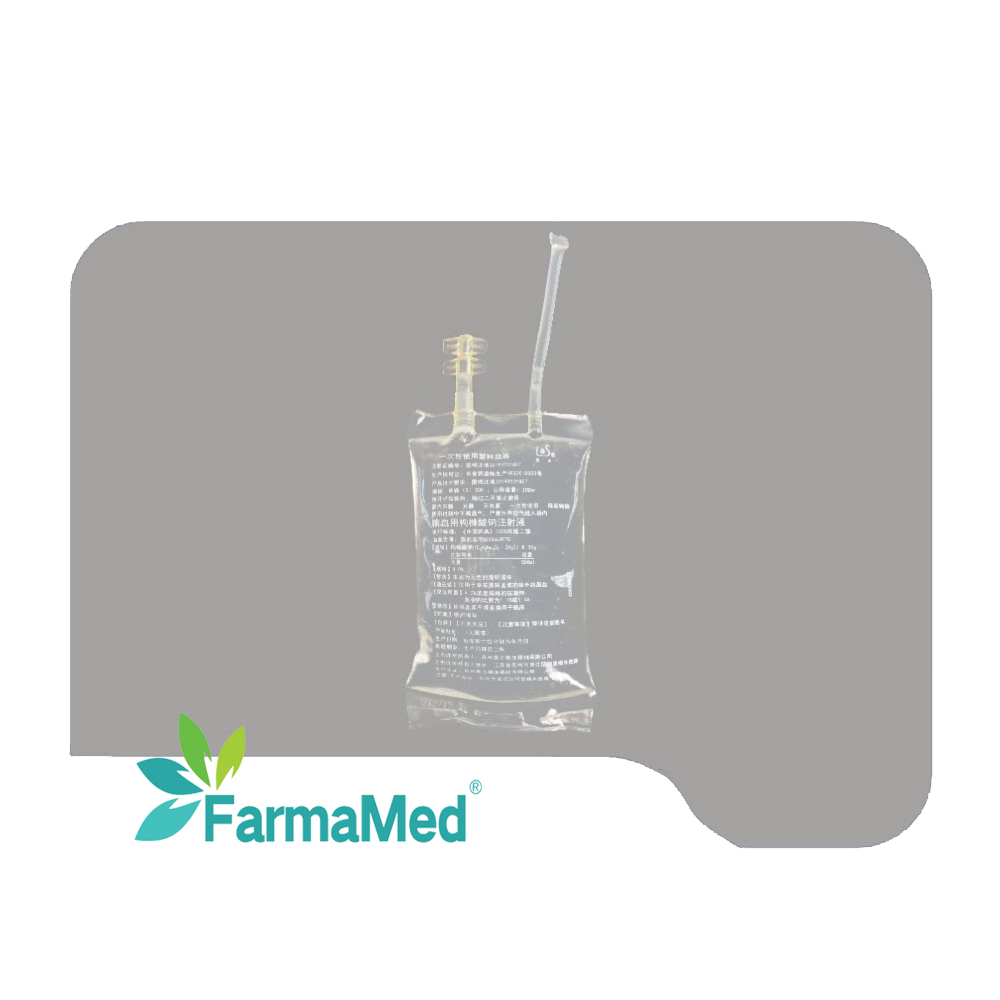
plasma blood bag
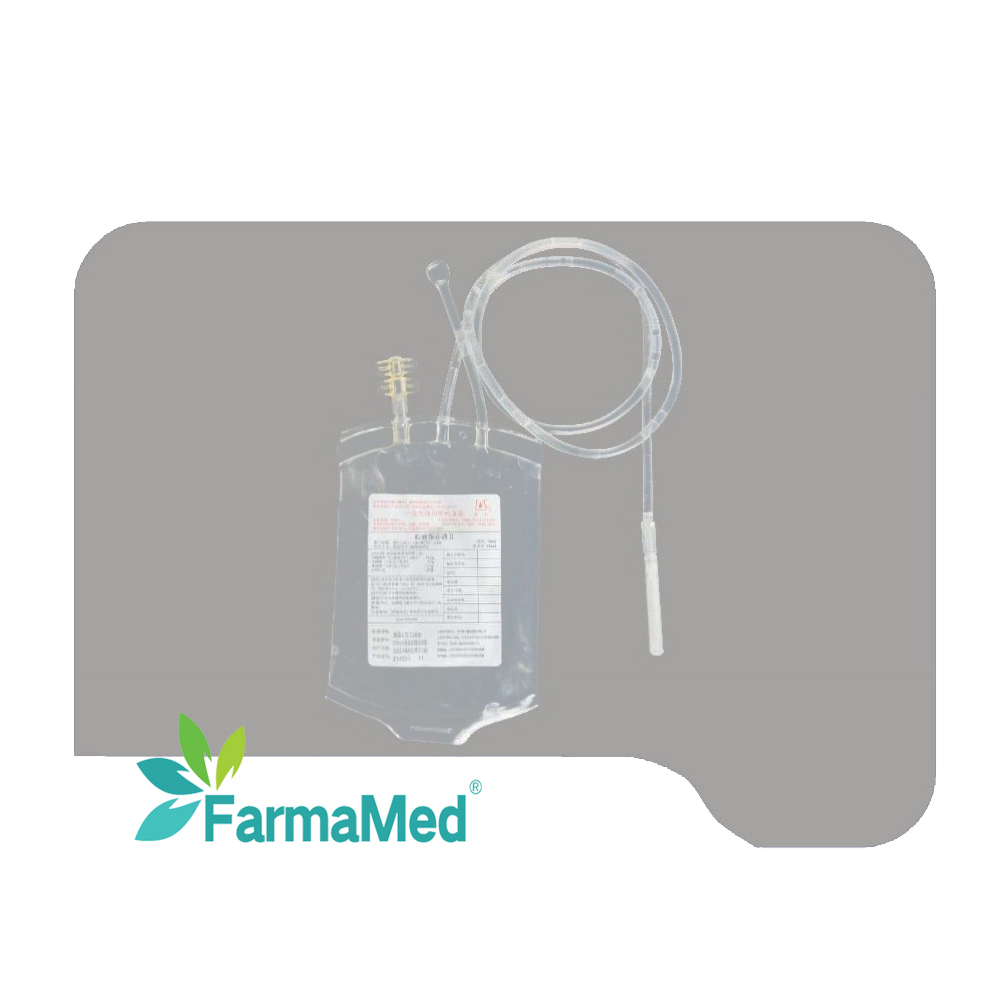
A plasma blood bag represents a specialized medical container designed to collect, store, and transport blood plasma safely and efficiently. This essential medical device plays a critical role in modern healthcare systems, particularly in blood banks, hospitals, and transfusion centers worldwide. The plasma blood bag is engineered with advanced materials that maintain the integrity of plasma components while preventing contamination and degradation.
The primary function of a plasma blood bag involves secure containment of separated plasma following whole blood collection or apheresis procedures. Modern plasma blood bag designs incorporate multiple integrated collection chambers, anticoagulant solutions, and sterile connection systems that ensure optimal preservation of plasma quality throughout storage and transportation. The plasma blood bag typically features transparent walls enabling visual monitoring of contents and a flexible design that accommodates varying volumes.
Technologically, contemporary plasma blood bags utilize multilayer plastic composition that provides superior barrier protection against oxygen infiltration and microbial contamination. The plasma blood bag includes pre-filled anticoagulant chambers, integrated tubing with needle attachments, and clearly marked capacity indicators. Advanced plasma blood bag systems now incorporate RFID tracking capabilities and barcode labels for enhanced inventory management and traceability.
Applications of the plasma blood bag extend across diverse medical scenarios including trauma management, surgical procedures, coagulation disorder treatment, and immunodeficiency management. Healthcare facilities depend on high-quality plasma blood bags to maintain consistent plasma supplies for patients requiring transfusions, plasma-derived therapies, or emergency interventions. The reliability of plasma blood bag systems directly impacts transfusion safety and patient outcomes.

 EN