hypodermic syringes and needles
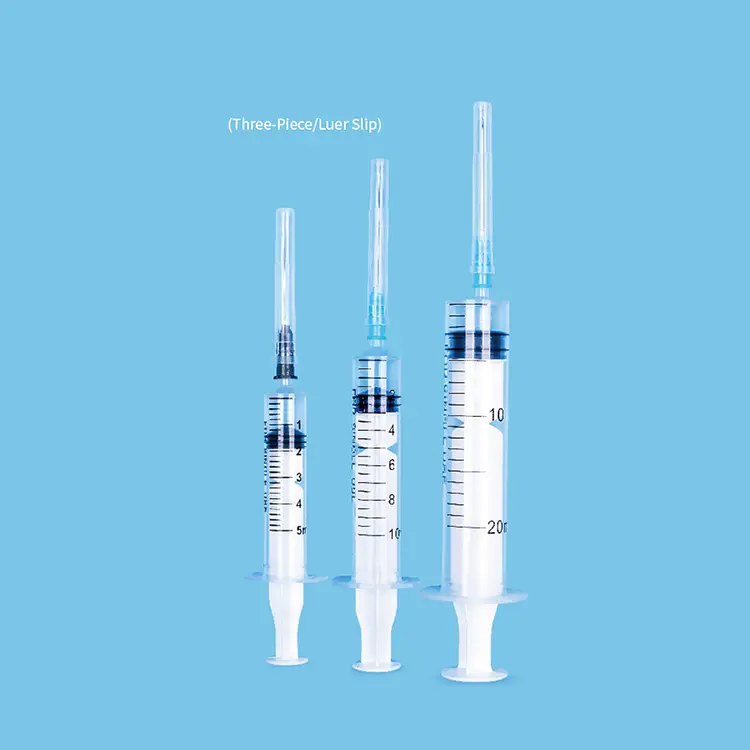
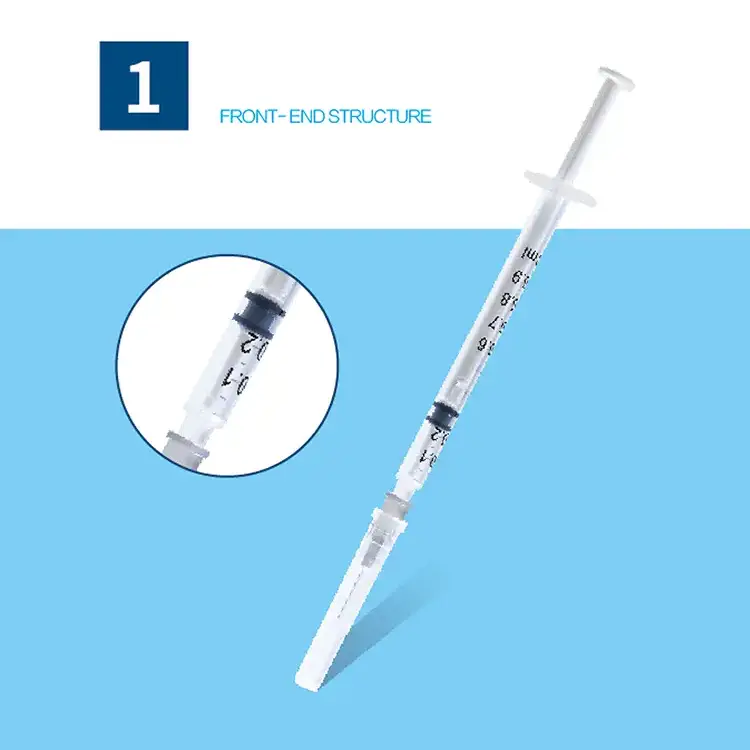
Hypodermic syringes and needles represent essential medical instruments designed for precise medication delivery and fluid extraction across healthcare settings. These instruments consist of a calibrated barrel marked with measurement units, a plunger for controlled fluid movement, and a sterile needle for accurate penetration and administration. Hypodermic syringes and needles serve critical functions in hospitals, clinics, laboratories, and home healthcare environments.
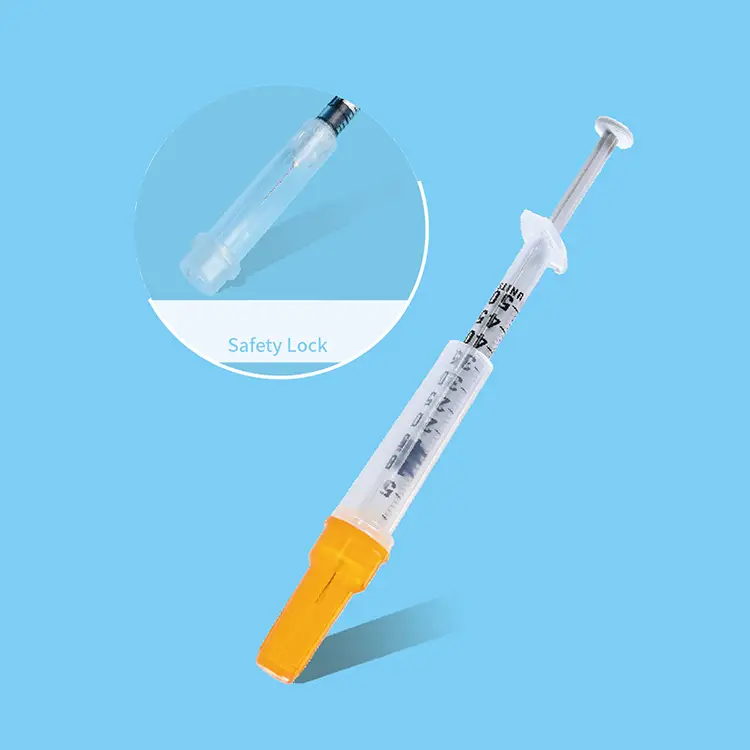
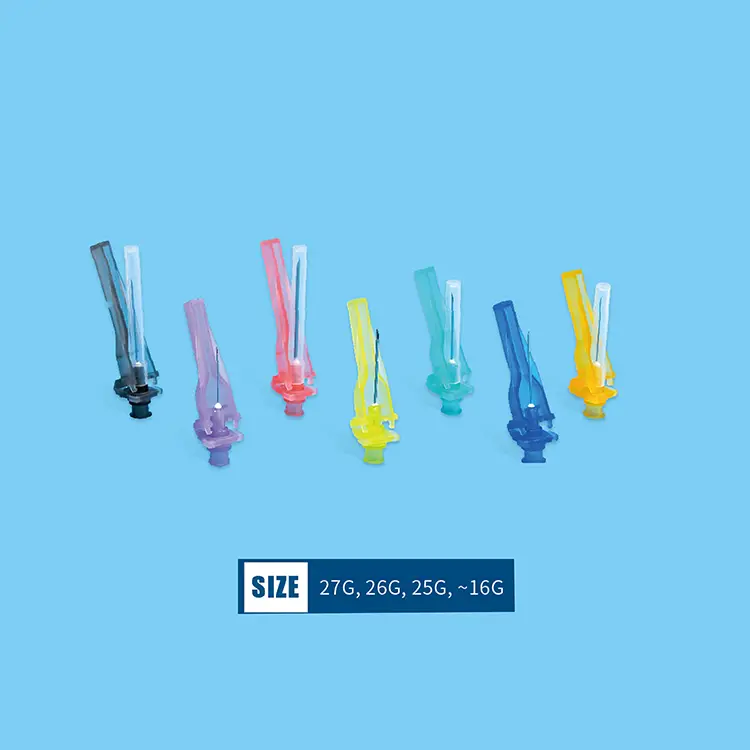
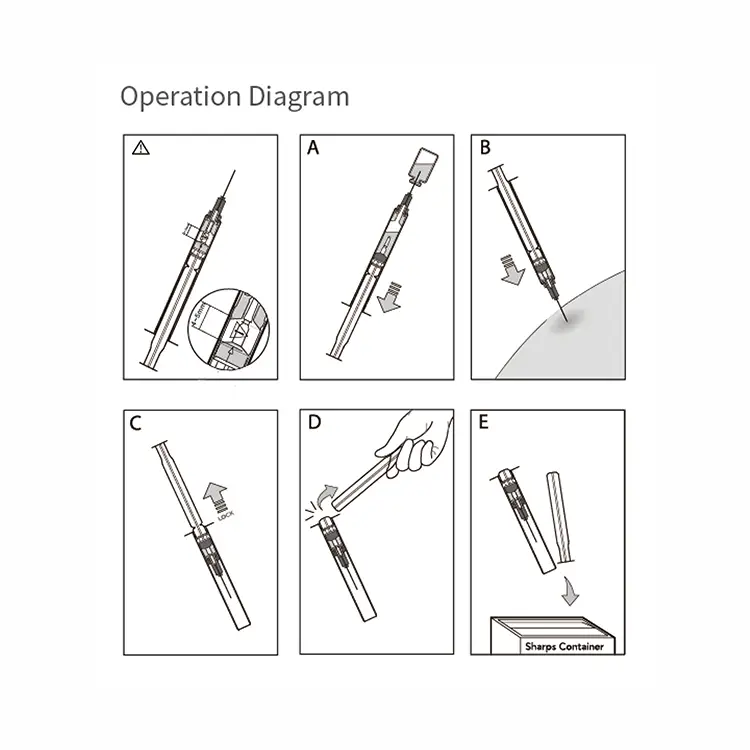
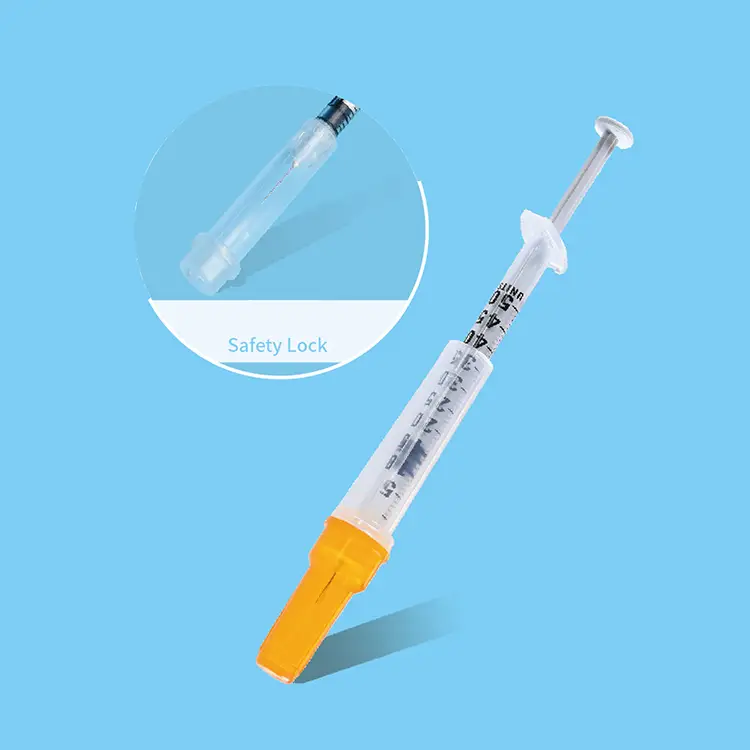
The technological features of modern hypodermic syringes and needles include safety mechanisms that prevent needlestick injuries, ultra-sharp beveled needle tips for minimized tissue trauma, and ergonomic designs that ensure comfortable handling during procedures. Many contemporary hypodermic syringes and needles incorporate graduated markings for accurate dosing and come in various gauges and lengths to accommodate different medical applications.
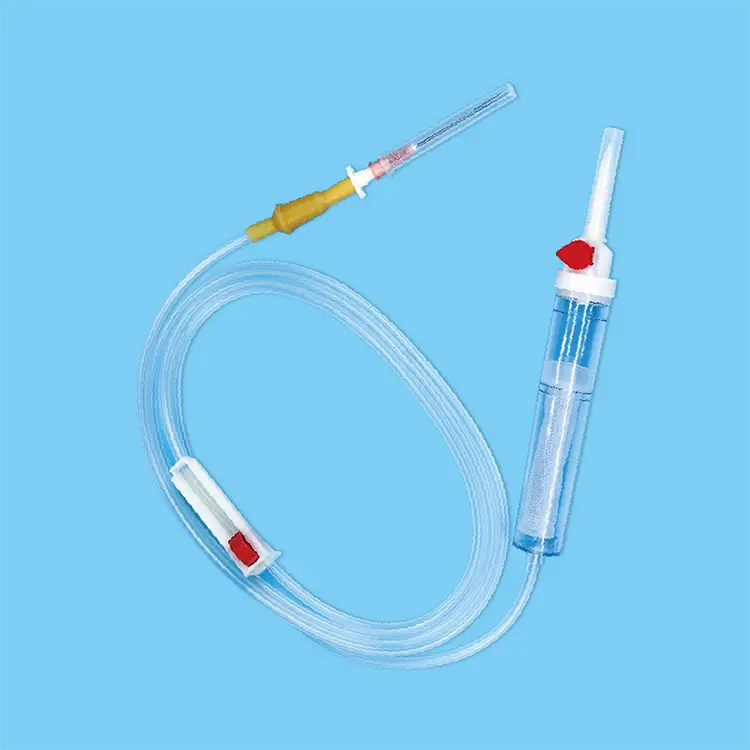
Applications for hypodermic syringes and needles span insulin injection, vaccine administration, blood sample collection, medication delivery, and diagnostic procedures. Healthcare professionals rely on hypodermic syringes and needles for subcutaneous, intramuscular, and intravenous injections. The sterile, single-use design of hypodermic syringes and needles prevents cross-contamination and ensures patient safety. Quality hypodermic syringes and needles meet strict regulatory standards and undergo rigorous sterilization processes to guarantee reliability and performance in critical medical situations.

 EN
EN