Get a Free Quote

Our representative will contact you soon.
Name
Email
Tel
Company Name
Message
0/1000
fully electric hospital bed-0

Home > 

fully electric hospital bed

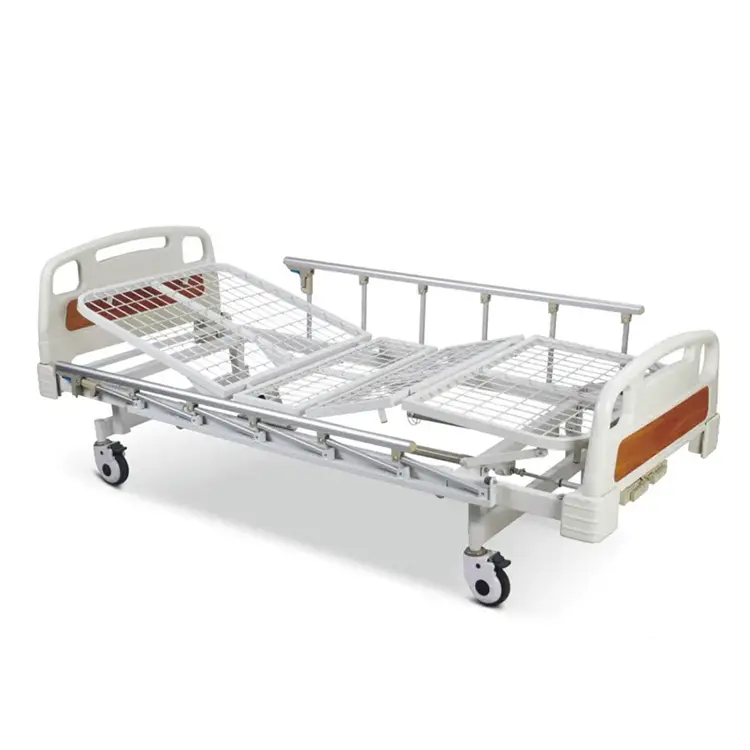
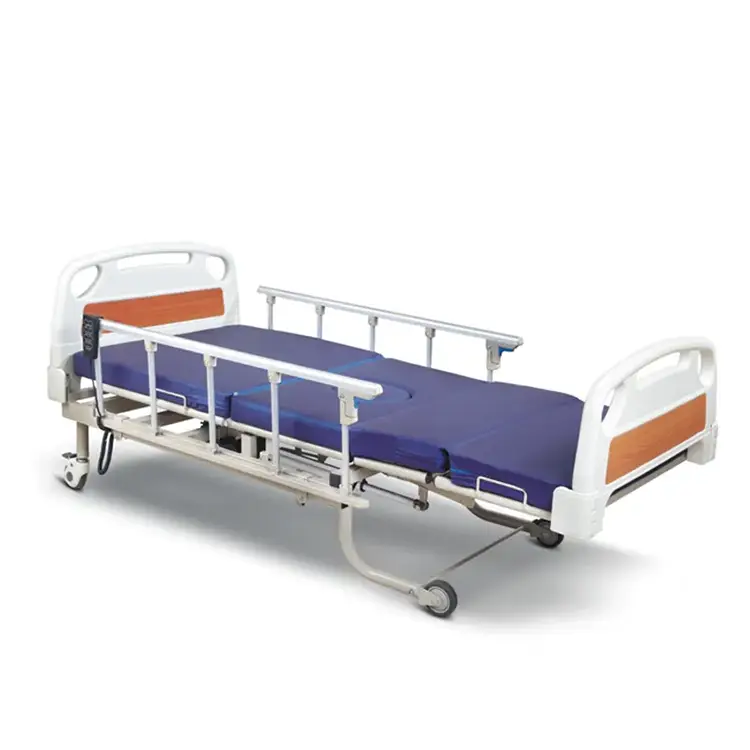
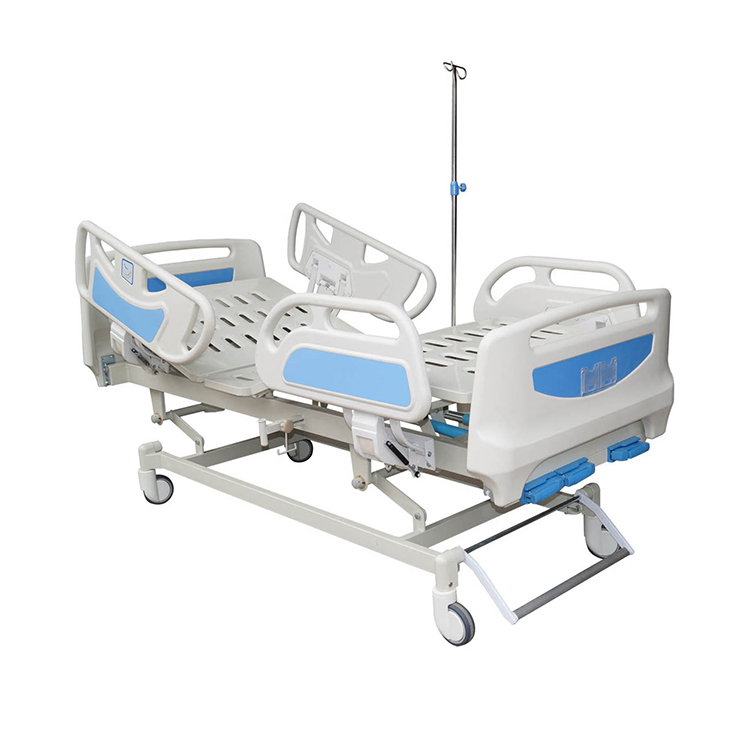
A fully electric hospital bed represents a modern healthcare solution designed to enhance patient comfort and streamline medical care delivery. This advanced medical furniture combines sophisticated electrical mechanisms with ergonomic design to meet the diverse needs of healthcare facilities worldwide. The fully electric hospital bed features multiple motorized adjustment points that allow caregivers to position patients with precision and ease, eliminating the physical strain associated with manual adjustments. The core functionality of a fully electric hospital bed includes adjustable backrest, leg rest, and height mechanisms controlled through intuitive pendant controls or remote systems. These beds incorporate advanced safety features such as side rails, emergency backup power systems, and weight distribution technology to protect patients during their stay. A fully electric hospital bed typically includes integrated braking systems that lock wheels securely when stationary, preventing accidental movement and ensuring patient safety. Technologically, the fully electric hospital bed integrates low-noise motors, smooth actuators, and durable mechanical components built to withstand continuous hospital use. Many models feature digital displays showing bed position information and integrated monitoring capabilities compatible with hospital management systems. The construction utilizes medical-grade materials that facilitate easy cleaning and disinfection, meeting stringent healthcare hygiene standards. A fully electric hospital bed serves critical applications across patient wards, intensive care units, recovery rooms, and long-term care facilities, making it an essential investment for any healthcare environment.

New Product Releases

Investing in a fully electric hospital bed delivers transformative benefits that directly improve patient outcomes and operational efficiency. The primary advantage centers on enhanced patient comfort, as motorized adjustments allow patients to find optimal positions effortlessly without requiring nursing assistance, reducing call-button frequency and improving overall satisfaction scores. Staff members experience significant operational benefits, as a fully electric hospital bed eliminates the physical labor of manual bed adjustments, reducing workplace injuries and fatigue-related mistakes among healthcare professionals. The fully electric hospital bed dramatically improves care delivery speed by enabling rapid position changes during medical procedures, examinations, and therapeutic treatments. Caregivers can adjust patient positioning quickly using remote controls, allowing more efficient time management and better patient throughput without compromising quality. These beds reduce patient pressure ulcer incidents because motorized height adjustments facilitate proper care access while maintaining healthy positioning throughout extended stays. Cost-effectiveness emerges as another compelling advantage, as a fully electric hospital bed reduces staff injury claims and workers compensation expenses while extending bed lifespan through reliable mechanical systems. Decision-useful context reveals that fully electric hospital beds suit diverse patient populations from pediatric to geriatric care, accommodating various medical conditions and recovery stages. Healthcare facilities choosing a fully electric hospital bed gain competitive advantages in patient satisfaction surveys and employee retention rates. The investment returns manifest through reduced complications, faster patient recovery, and improved staff morale. Modern fully electric hospital beds feature adjustable weight capacities ranging from standard patients to bariatric individuals, ensuring inclusive healthcare delivery. These beds integrate seamlessly with existing hospital infrastructure while supporting telehealth monitoring capabilities, representing forward-thinking healthcare investments.

Latest News

Anhydrous vs. trihydrate magnesium citrate: formulation selection and cost analysis.

01

Jun

Anhydrous vs. trihydrate magnesium citrate: formulation selection and cost analysis.

The selection between anhydrous and trihydrate forms of magnesium citrate represents a critical formulation decision that directly impacts product efficacy, manufacturing costs, and regulatory compliance for pharmaceutical and nutraceutical companies...
View More
Rising pediatric anti-nausea market: collaboration opportunities for dimenhydrinate 25mg development.

01

Jul

Rising pediatric anti-nausea market: collaboration opportunities for dimenhydrinate 25mg development.

The pediatric anti-nausea pharmaceutical market is experiencing unprecedented growth as healthcare providers increasingly recognize the unique challenges of treating nausea and vomiting in children. While adult formulations like dimenhydrinate 50 mg ...
View More
How to qualify compliant OTC cream suppliers for tinea pedis and cruris treatment?

03

Aug

How to qualify compliant OTC cream suppliers for tinea pedis and cruris treatment?

Selecting the right supplier for miconazole cream requires a systematic approach that balances regulatory compliance, product quality, and reliability. Tinea pedis and tinea cruris are common fungal infections affecting millions of patients annually,...
View More
FDA registration pathway and OTC monograph compliance for eye drop exports to the US.

17

Aug

FDA registration pathway and OTC monograph compliance for eye drop exports to the US.

Exporting lubricant eye drops to the United States requires a thorough understanding of FDA regulations, OTC monograph standards, and compliance pathways. Manufacturers seeking to market lubricant eye drops in the US must navigate a complex regulator...
View More

Get a Free Quote

Our representative will contact you soon.
Name
Email
Tel
Company Name
Message
0/1000

fully electric hospital bed

Advanced Motorized Positioning System

Advanced Motorized Positioning System

The fully electric hospital bed incorporates state-of-the-art motorized positioning technology that transforms patient care management. The system features independent motor controls for backrest, leg rest, and bed height, allowing caregivers to achieve precise positioning angles tailored to individual medical needs. This fully electric hospital bed's positioning system responds instantly to control inputs, enabling rapid adjustments during emergency procedures or routine care changes. The smooth mechanical operation reduces vibration and noise, maintaining patient comfort while performing adjustments. Healthcare professionals appreciate the intuitive control interface, which requires minimal training and features customizable preset positions for common therapeutic configurations. The fully electric hospital bed's motorized system operates reliably through extended service periods, supported by redundant safety mechanisms that prevent unexpected movement or position loss during power interruptions.
Enhanced Patient Safety and Mobility Features

Enhanced Patient Safety and Mobility Features

Safety represents the cornerstone of fully electric hospital bed design, incorporating comprehensive protective mechanisms that safeguard vulnerable patients throughout their medical stays. Each fully electric hospital bed includes reinforced side rails with quick-release mechanisms, emergency stop buttons, and automatic locking brakes that engage when the bed reaches floor level. The bed's height adjustment capability enables caregivers to position the sleeping surface at optimal heights for safe patient transfer, significantly reducing fall risks and staff strain injuries. Modern fully electric hospital bed models feature low-height positioning that lowers patients closer to the floor in case of accidental falls, minimizing injury severity. The sturdy framework supports impressive weight capacities while maintaining stability during dynamic movements. Integrated fall detection systems on premium fully electric hospital bed models alert nursing staff to unexpected patient movements, providing additional protection for high-risk individuals requiring intensive monitoring and supervision.
Seamless Integration with Hospital Infrastructure

Seamless Integration with Hospital Infrastructure

Today's fully electric hospital bed models seamlessly integrate with modern hospital management systems and electronic health records platforms. The fully electric hospital bed connects to central monitoring networks, enabling automated bed status reporting and maintenance scheduling that optimizes facility operations. These advanced beds feature modular design components that facilitate quick parts replacement, minimizing downtime and maintenance costs. The fully electric hospital bed's electrical systems comply with international safety standards and hospital electrical codes, ensuring reliable operation within complex healthcare environments. Integration capabilities extend to nurse call systems, allowing patients to summon assistance while bed adjustments occur automatically, improving response coordination. Premium fully electric hospital bed options include telemetry compatibility, permitting seamless data transmission to patient monitoring stations. This fully electric hospital bed infrastructure investment enables healthcare facilities to implement predictive maintenance algorithms that forecast component failures before they compromise patient care, representing strategic technological advancement in healthcare delivery systems.

Get a Free Quote

Our representative will contact you soon.
Name
Email
Tel
Company Name
Message
0/1000

Get a Free Quote

Our representative will contact you soon.
Name
Email
Tel
Company Name
Message
0/1000