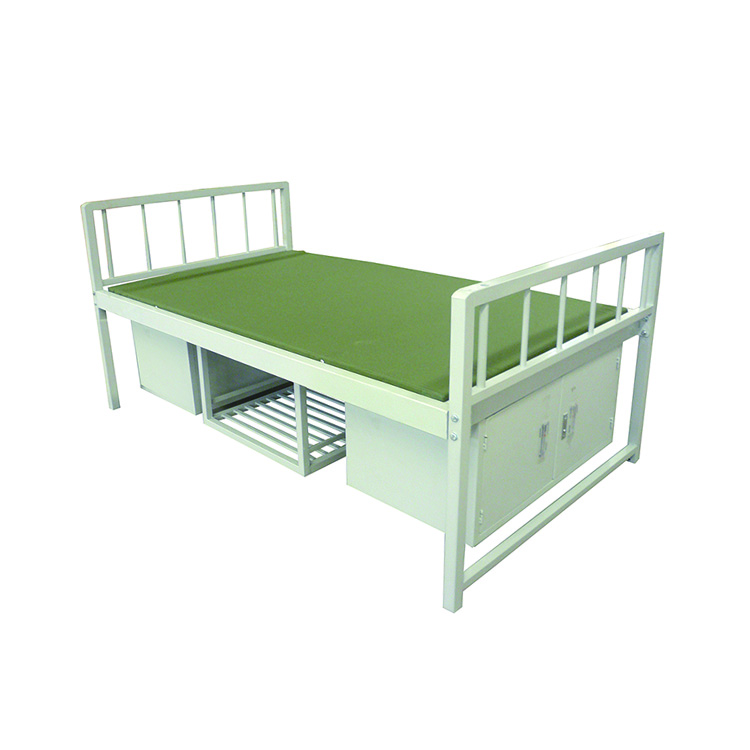
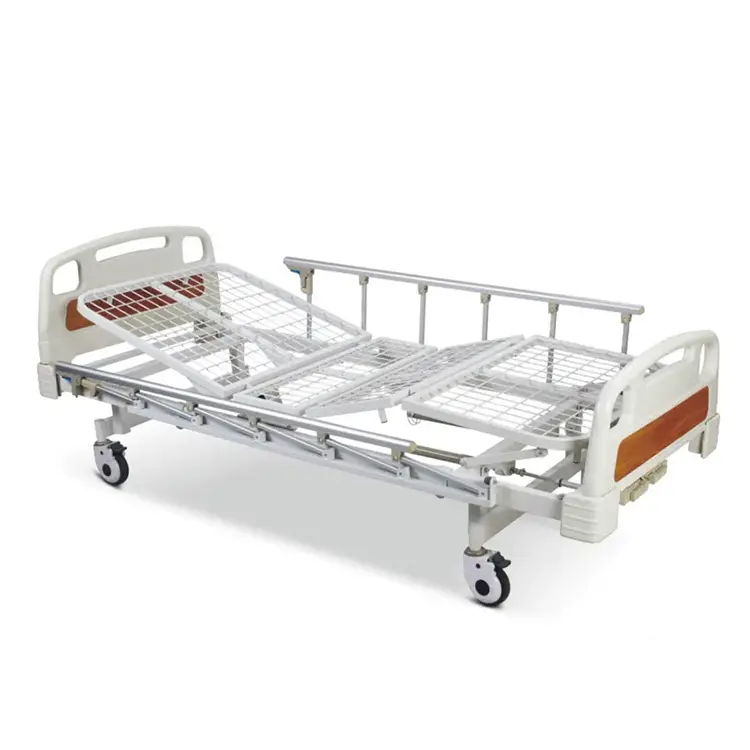
smart hospital beds
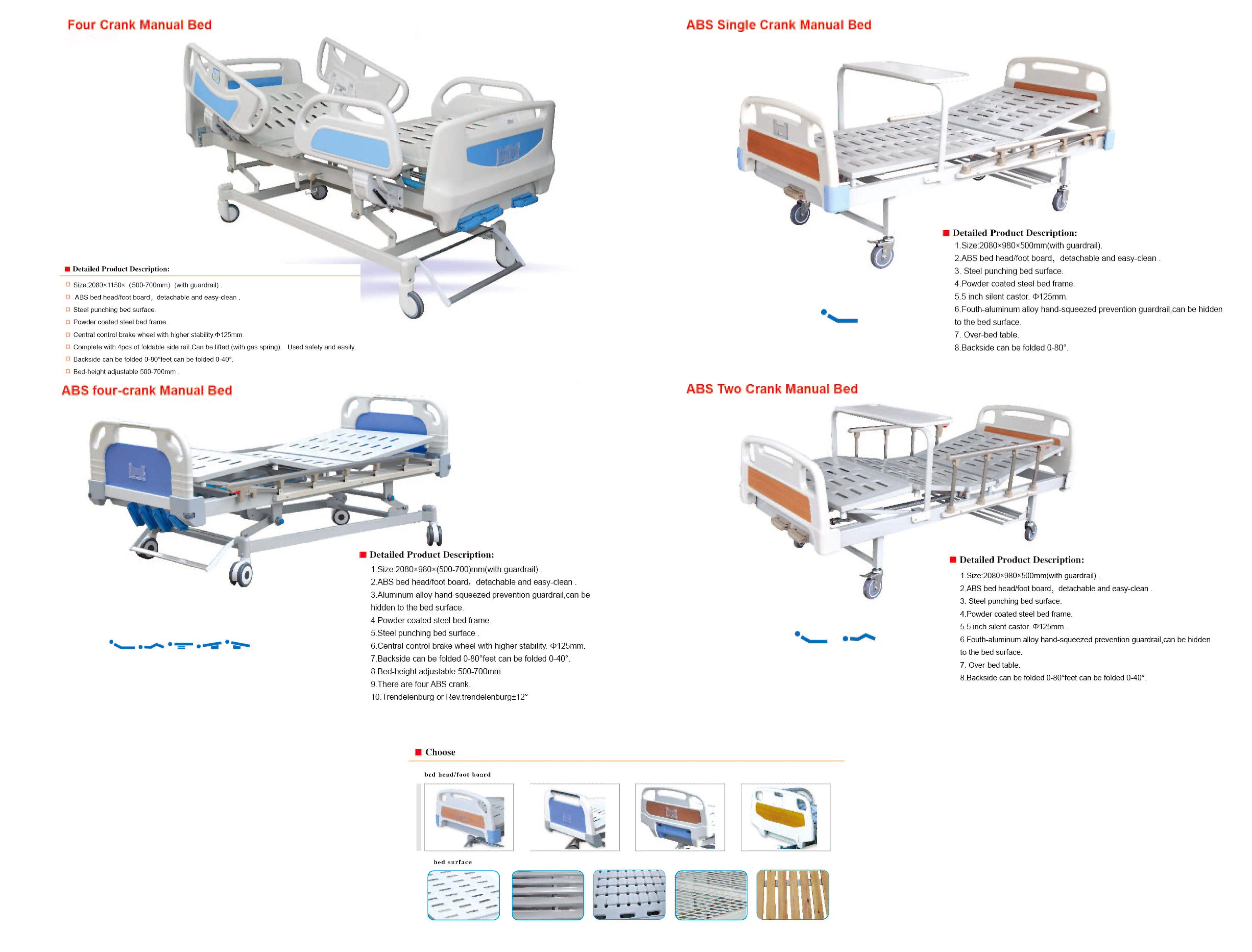
Smart hospital beds represent a revolutionary advancement in patient care technology, combining comfort with cutting-edge monitoring capabilities. These intelligent beds are specifically designed to enhance the healthcare experience by integrating automated features that promote patient safety and medical accuracy.
Smart hospital beds utilize advanced sensor technology to track patient movement, vital signs, and bed positioning in real-time. The primary functions include automatic pressure relief systems that prevent bedsores, adjustable height mechanisms for caregiver ergonomics, and integrated fall detection sensors. These beds communicate seamlessly with hospital management systems, allowing healthcare professionals to monitor patient status without constant manual checks.
The technological features of smart hospital beds encompass IoT connectivity, artificial intelligence algorithms, and cloud-based data storage. Many models include built-in scales for continuous weight monitoring, temperature regulation systems, and emergency alert mechanisms. Smart hospital beds also offer customizable firmness settings and memory foam options tailored to individual patient needs.
Applications for smart hospital beds span across multiple healthcare settings. They prove invaluable in intensive care units, surgical recovery rooms, and long-term care facilities. Smart hospital beds support geriatric patients, post-operative individuals, and those with mobility limitations. Healthcare institutions increasingly adopt smart hospital beds to reduce nurse workload, minimize patient complications, and improve overall treatment outcomes. The integration of smart hospital beds into modern medical facilities demonstrates the healthcare industry's commitment to leveraging technology for enhanced patient wellbeing and operational efficiency.

 EN
EN