Get a Free Quote

Our representative will contact you soon.
Name
Email
Tel
Company Name
Message
0/1000
medical surgical tape factory-0

Home > 

medical surgical tape factory

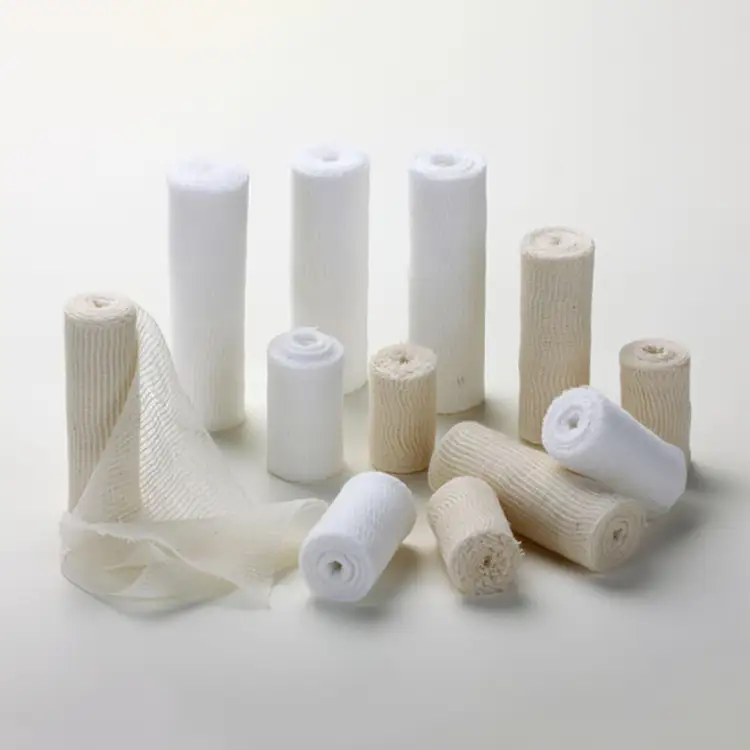
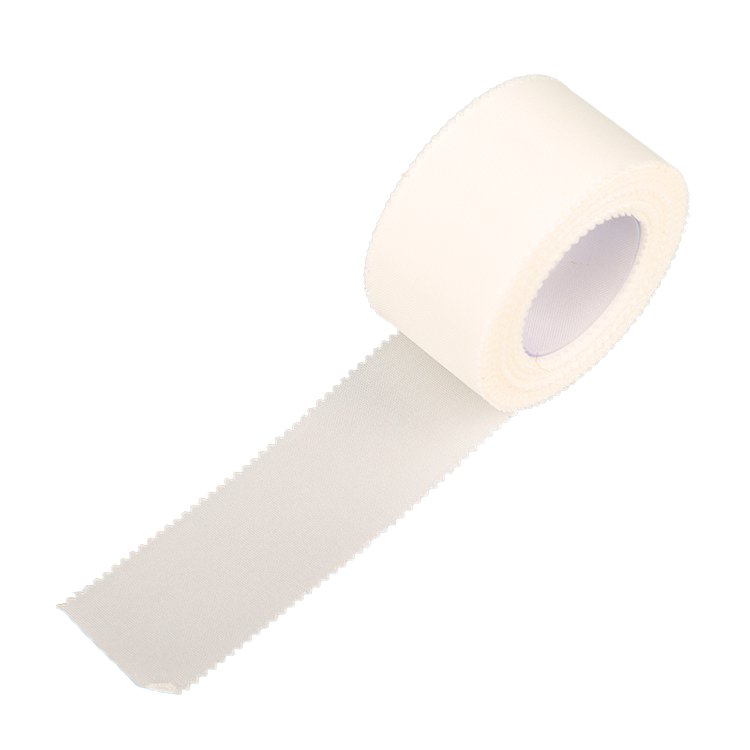
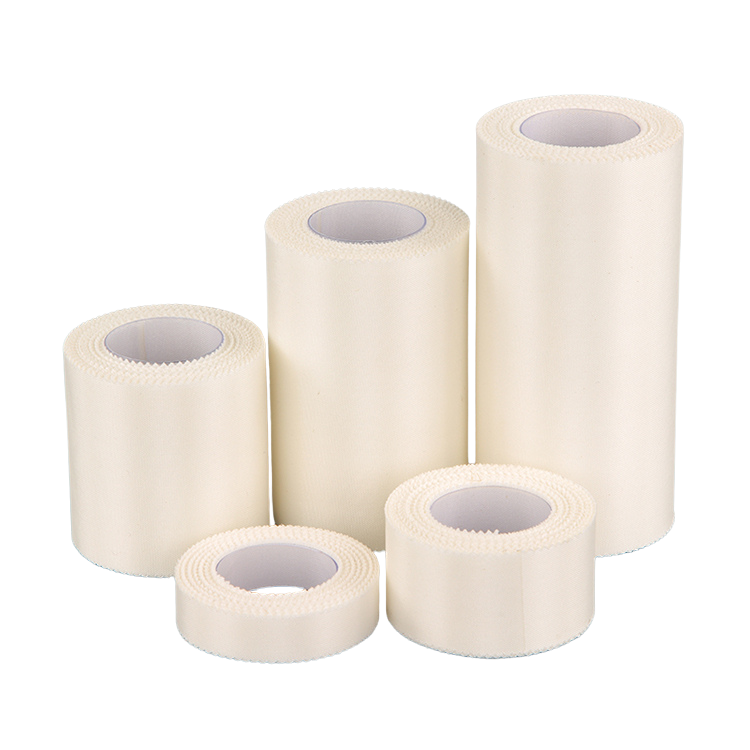
A medical surgical tape factory is a specialized production facility that develops, coats, converts, inspects, and packs adhesive tapes for hospitals, clinics, laboratories, pharmacies, and medical device companies. The medical surgical tape factory turns selected backing materials, such as nonwoven fabric, paper, plastic film, or elastic cloth, into products that support dressings, tubing, sensors, and light medical devices. The medical surgical tape factory also adjusts adhesive strength, breathability, flexibility, and residue performance for different clinical needs. In the medical surgical tape factory, materials pass through controlled coating lines that apply an even layer of acrylic, silicone, or hot-melt adhesive. A capable medical surgical tape factory uses clean production rooms, calibrated mixing systems, automatic slitting machines, and vision inspection tools to maintain stable results. The medical surgical tape factory can produce rolls, strips, pre-cut pieces, and custom shapes in various widths and lengths. Within the medical surgical tape factory, operators monitor coating weight, peel adhesion, holding power, release behavior, and package integrity. The medical surgical tape factory may also provide sterilization-compatible options, hypoallergenic grades, water-resistant surfaces, and skin-friendly solutions. For buyers, the medical surgical tape factory connects product design with dependable volume manufacturing and private-label support. By selecting a medical surgical tape factory with strong process control, customers can receive consistent batches, clear technical documents, and packaging suited to their market. Overall, the medical surgical tape factory serves as a practical source for safe, adaptable, and scalable medical adhesive products.

Popular Products

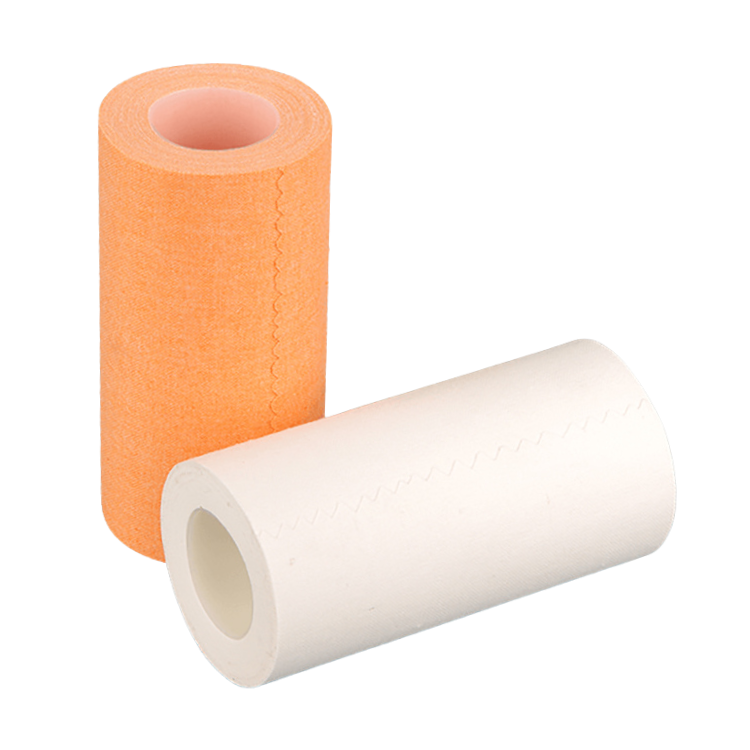
Working with a medical surgical tape factory gives buyers direct access to product expertise, production capacity, and quality control. Instead of relying on several intermediaries, customers can discuss backing, adhesive type, dimensions, packaging, and performance with one experienced supplier. A medical surgical tape factory can review the intended use and recommend a suitable grade for skin contact, fixation, dressing changes, catheter support, or device mounting. This helps buyers avoid paying for features that their application does not need. The medical surgical tape factory also makes it easier to request samples, test prototypes, and confirm specifications before placing a larger order. A responsive medical surgical tape factory can adjust roll width, core size, label design, carton quantity, and private branding to match existing workflows. Automated coating and cutting improve output consistency, while planned inspections reduce variation between batches. For purchasing teams, this means clearer forecasting, fewer emergency replacements, and simpler supplier management. The medical surgical tape factory can support both standard products and tailored orders, so small development projects and high-volume programs can use the same supply relationship. Another benefit is application flexibility. Paper tape offers easy tearing and comfortable daily use, while nonwoven tape provides softness and conformability. Film tape can help protect against moisture, and elastic tape can follow movement around joints or curved body areas. A suitable medical surgical tape factory can explain these differences in practical terms, helping users select dependable products for their care setting. Buyers should also compare lead time, minimum order quantity, testing support, packaging options, and export experience. Choosing a medical surgical tape factory that communicates clearly can lower purchasing risk, protect clinical performance, and create a more predictable supply chain.

Latest News

Dimenhydrinate tablet market access in Japan: can suppliers support PMDA onsite inspection?

22

Jul

Dimenhydrinate tablet market access in Japan: can suppliers support PMDA onsite inspection?

Japanese pharmaceutical market access for dimenhydrinate 50 mg tablets requires rigorous regulatory compliance through the Pharmaceuticals and Medical Devices Agency (PMDA) approval process. International suppliers seeking to commercialize dimenhydri...
View More
How to verify eye drop sterility assurance through third-party test reports in B2B procurement?

10

Aug

How to verify eye drop sterility assurance through third-party test reports in B2B procurement?

Verifying the sterility and safety of lubricant eye drops is one of the most critical responsibilities in B2B procurement. When sourcing lubricant eye drops for clinical use, distribution, or institutional settings, relying solely on supplier claims ...
View More
How to authenticate bakuchiol and detect adulteration through HPLC fingerprinting?

22

Sep

How to authenticate bakuchiol and detect adulteration through HPLC fingerprinting?

Bakuchiol has emerged as a powerful botanical skincare ingredient, but the market's rapid expansion has created significant challenges in product authenticity and purity verification. Ensuring that cosmetic and pharmaceutical formulations contain pur...
View More
How to evaluate RDT sensitivity and specificity through blinded panel testing?

12

Oct

How to evaluate RDT sensitivity and specificity through blinded panel testing?

Evaluating the performance of a rapid diagnostic test requires rigorous scientific methodology and careful validation protocols. When healthcare organizations or regulatory bodies assess whether a rapid diagnostic test meets clinical standards, they ...
View More

Get a Free Quote

Our representative will contact you soon.
Name
Email
Tel
Company Name
Message
0/1000

medical surgical tape factory

Controlled Adhesive Coating for Reliable Performance

Controlled Adhesive Coating for Reliable Performance

A key strength of a medical surgical tape factory is its ability to control adhesive coating with precision. The medical surgical tape factory blends adhesive components under measured conditions and applies them evenly across the chosen backing. This process helps each section deliver similar peel, tack, and holding performance rather than creating weak or overly aggressive areas. In clinical use, balanced adhesion matters because tape must stay in place while still allowing careful removal. The medical surgical tape factory can select acrylic, silicone, or hot-melt systems according to skin sensitivity, wear time, and application demands. Coating controls also support cleaner edges, stable converting, and more predictable product testing. For buyers, this feature reduces complaints caused by lifting, premature failure, or excessive residue. It also makes product comparisons easier because performance remains consistent from roll to roll. A medical surgical tape factory with documented coating controls gives procurement teams greater confidence when they approve samples, set specifications, and plan repeat orders.
Flexible Formats and Application-Focused Design

Flexible Formats and Application-Focused Design

A versatile medical surgical tape factory can convert one production platform into many useful formats. The medical surgical tape factory may supply jumbo rolls for converters, retail-ready rolls for distributors, narrow strips for clinical kits, or pre-cut pieces for faster application. It can combine different backings, adhesive patterns, release liners, colors, and package sizes to suit a defined use. This flexibility helps customers match tape design to the way staff work in hospitals, outpatient centers, home care, and emergency settings. Soft nonwoven options can follow body contours, paper versions can tear by hand, and transparent film can support visual monitoring while helping reduce exposure to moisture. The medical surgical tape factory can also create printed markings, custom labels, and branded cartons for private-label programs. These choices improve shelf presentation and simplify inventory identification. For buyers, a medical surgical tape factory that supports practical customization can reduce the need to manage multiple suppliers while improving fit, handling speed, and user satisfaction across product lines.
Clean Production, Testing, and Supply Confidence

Clean Production, Testing, and Supply Confidence

Production discipline gives a medical surgical tape factory an important advantage in regulated medical supply markets. The medical surgical tape factory can separate raw material handling, coating, curing, slitting, inspection, and packing to protect product cleanliness and order accuracy. Trained staff check dimensions, adhesive behavior, backing appearance, winding quality, and seal strength before goods leave the site. Batch records and sample retention help the medical surgical tape factory trace materials and investigate questions quickly. Depending on the product, the facility may also support biocompatibility documentation, sterilization compatibility checks, shelf-life studies, and export paperwork. These practices do not replace the buyer's own validation, but they provide useful evidence for product approval and ongoing control. A dependable medical surgical tape factory also plans production schedules, maintains replacement parts, and keeps packaging materials available to reduce avoidable delays. This operational readiness matters when customers serve hospitals or distributors with fixed delivery dates. Choosing a medical surgical tape factory with visible testing and supply procedures helps buyers protect continuity, respond to audits, and build confidence in every shipment.

Get a Free Quote

Our representative will contact you soon.
Name
Email
Tel
Company Name
Message
0/1000

Get a Free Quote

Our representative will contact you soon.
Name
Email
Tel
Company Name
Message
0/1000