Get a Free Quote

Our representative will contact you soon.
Name
Email
Tel
Company Name
Message
0/1000
gauze bandage types-0

Home > 

gauze bandage types

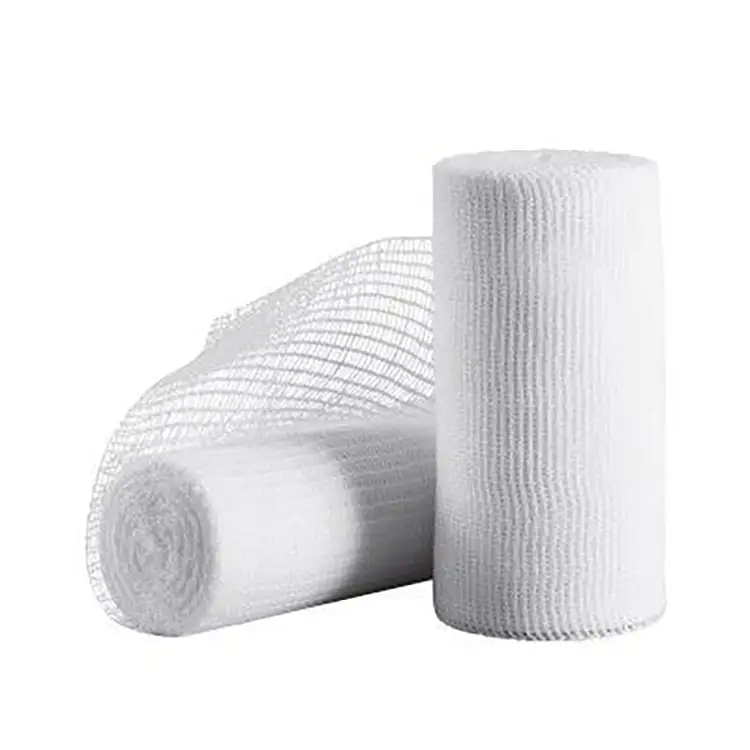
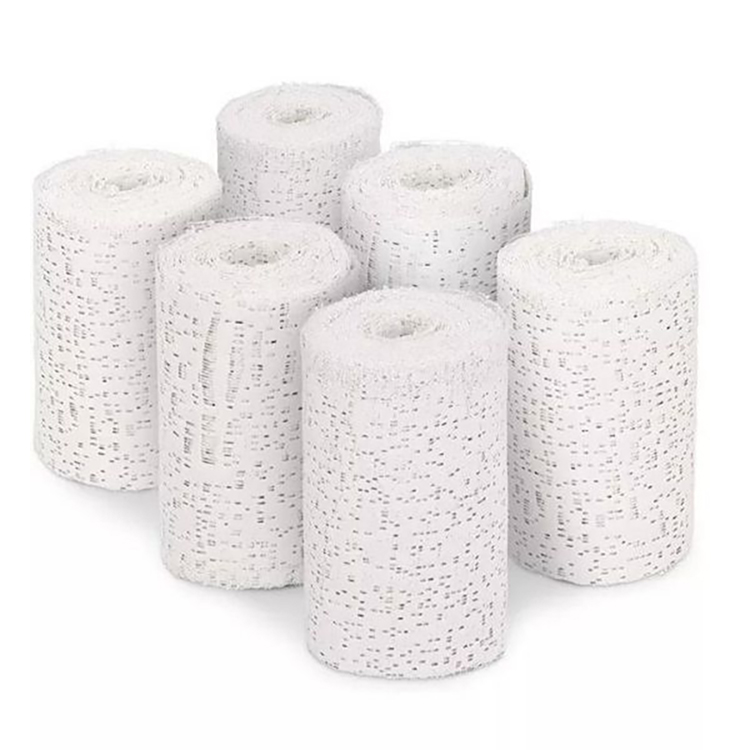
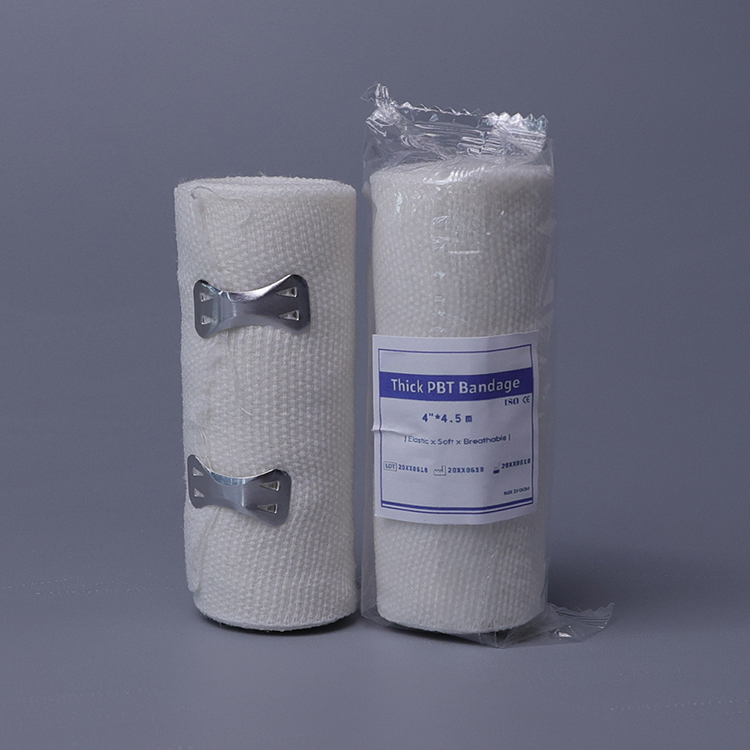
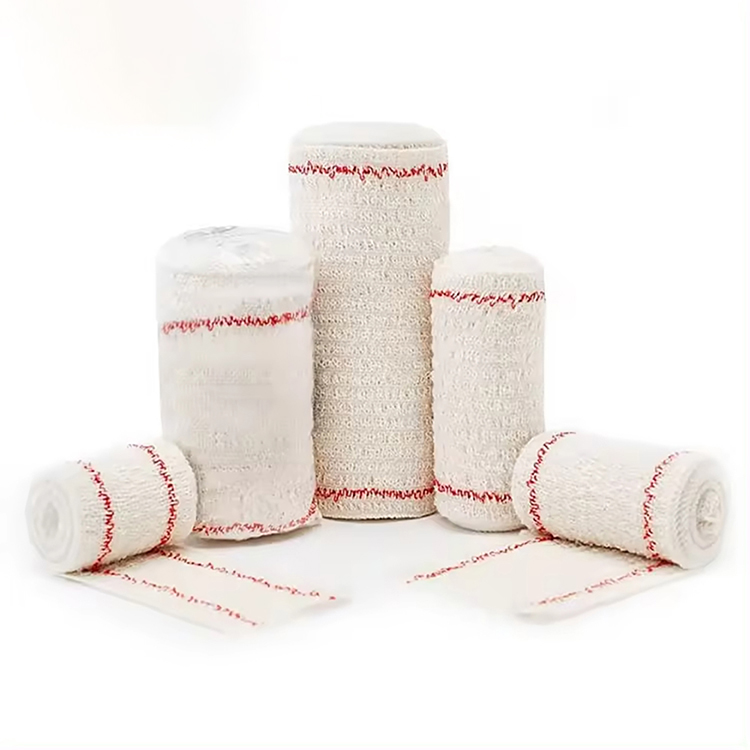
Understanding gauze bandage types helps buyers select suitable wound coverage for first aid, clinical treatment, and everyday care. These gauze bandage types differ by material, weave, size, absorbency, sterility, and format. Woven gauze bandage types use interlaced cotton or synthetic fibers, creating a breathable layer that absorbs blood and other fluids. Nonwoven gauze bandage types use bonded fibers, so they usually provide a smoother surface, higher absorbency, and less lint during use. Roll gauze bandage types wrap around limbs, joints, or larger areas and allow users to adjust pressure and coverage. Pad gauze bandage types come as pre-cut squares or rectangles for fast placement over wounds. Impregnated gauze bandage types contain petroleum, saline, or another coating that helps prevent the dressing from sticking to delicate tissue. Sterile gauze bandage types arrive sealed for use on open wounds, while nonsterile versions suit cleaning, padding, or secondary protection when appropriate. Some products include folded edges that reduce loose threads, while others use radiopaque markers for clinical visibility. Selecting gauze bandage types also involves checking ply, thickness, dimensions, packaging, and intended use. Thin products work well for light drainage and surface cleaning; thicker products manage heavier fluid and provide extra cushioning. The right gauze bandage types support clean application, comfortable removal, and efficient dressing changes without unnecessary material waste.

New Products

The main advantage of gauze bandage types is choice. Buyers can match the product to wound size, fluid level, body location, and care setting instead of using one dressing for every situation. These gauze bandage types support quick absorption, gentle cleaning, light padding, and secure coverage. Woven gauze bandage types are familiar, flexible, and economical, making them practical for clinics, emergency kits, schools, and home cabinets. Nonwoven gauze bandage types often release less lint and feel smoother against skin, which can improve handling and patient comfort. Sterile gauze bandage types help simplify infection-conscious care because each unit stays protected until needed. Roll gauze bandage types cover irregular areas and hold primary dressings in place without requiring a separate large adhesive sheet. Pad gauze bandage types save preparation time because staff can open, place, and secure them immediately. For buyers comparing gauze bandage types, pack size and unit cost matter as much as absorbency. Large packs can reduce restocking frequency in busy facilities, while individually wrapped units support portability and controlled use. Gauze bandage types with folded edges can reduce loose fibers and make application cleaner. Different gauze bandage types also suit different workflows: rolls support flexible wrapping, pads support rapid wound coverage, and impregnated products can reduce sticking during removal. Buyers should confirm sterility, dimensions, ply, material, and packaging before ordering. By matching gauze bandage types to actual tasks, organizations can reduce waste, improve dressing consistency, and keep essential supplies ready. This practical fit helps caregivers work faster while giving patients dependable protection and easier dressing changes.

Tips And Tricks

Folic acid tablet color variation rejected by EU client: what are supplier's color tolerance standards?

29

Jul

Folic acid tablet color variation rejected by EU client: what are supplier's color tolerance standards?

When European Union clients reject pharmaceutical shipments due to color variations in folic acid tablets, suppliers face immediate financial losses and damaged business relationships. The European pharmaceutical market maintains exceptionally strict...
View More
FDA registration pathway and OTC monograph compliance for eye drop exports to the US.

17

Aug

FDA registration pathway and OTC monograph compliance for eye drop exports to the US.

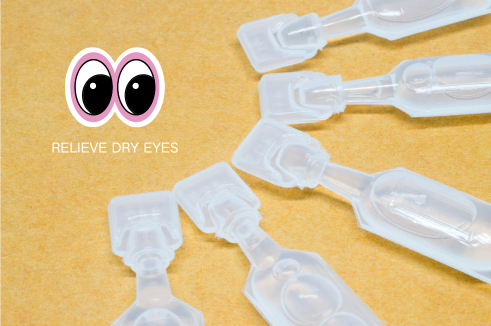
Exporting lubricant eye drops to the United States requires a thorough understanding of FDA regulations, OTC monograph standards, and compliance pathways. Manufacturers seeking to market lubricant eye drops in the US must navigate a complex regulator...
View More
How to verify batch consistency via MFR and density in bulk PP raw material procurement?

20

Aug

How to verify batch consistency via MFR and density in bulk PP raw material procurement?

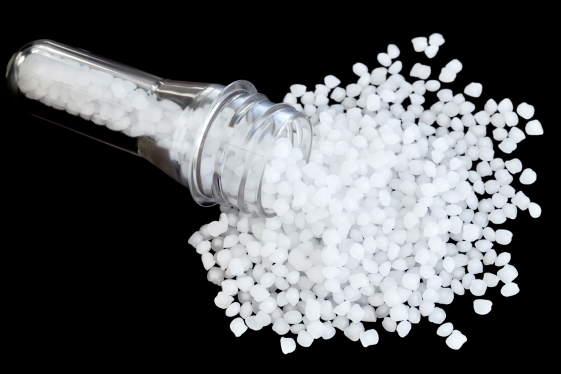
Ensuring batch consistency in bulk procurement requires rigorous quality verification protocols. When sourcing white pp granules, manufacturers must implement standardized testing methods to confirm that each delivery meets established specifications...
View More
How to select slitting rewinder suppliers for paper, film, or nonwoven production lines?

08

Sep

How to select slitting rewinder suppliers for paper, film, or nonwoven production lines?

Choosing the right supplier for your rewinding or slitting machine is one of the most critical decisions you'll make for your production operation. Whether you run a paper mill, film conversion facility, or nonwoven manufacturing line, the quality an...
View More

Get a Free Quote

Our representative will contact you soon.
Name
Email
Tel
Company Name
Message
0/1000

gauze bandage types

Flexible Formats for Different Wounds

Flexible Formats for Different Wounds

Gauze bandage types offer practical formats for changing wound-care needs. Roll products adapt to arms, legs, fingers, and joints because users can cut or tear the length required. Square pads provide immediate coverage for small cuts, incision sites, and cleaning tasks without measuring material. Larger pads help manage broader wounds or provide a protective layer beneath a secondary wrap. These gauze bandage types also vary in thickness and ply, allowing buyers to balance absorption, cushioning, and cost. A thin pad can support light drainage, while a thicker construction handles more fluid and reduces the need for frequent replacement. Folded edges improve control and help limit loose threads during application. This range makes gauze useful across first-aid kits, outpatient rooms, pharmacies, and home care. Instead of purchasing a single oversized dressing for every task, buyers can select gauze bandage types that reduce trimming, improve speed, and use material more efficiently.
Absorption, Clean Handling, and Comfort

Absorption, Clean Handling, and Comfort

A key value of gauze bandage types is their ability to manage wound fluid while keeping the care process simple. Cotton woven versions absorb reliably and provide a soft, breathable layer. Nonwoven gauze bandage types often absorb more efficiently and produce less lint, which supports cleaner handling and a neater wound area. Sterile packaging protects each dressing until use, helping staff maintain an organized process when treating open wounds. Some gauze bandage types include a nonstick coating, such as petroleum, to reduce attachment to moist tissue. That feature can make removal more comfortable and may reduce disruption to fragile healing skin. The correct choice depends on drainage, wound sensitivity, and whether the dressing acts as a primary or secondary layer. For buyers, this means better comfort, fewer interruptions, and more predictable changes. Gauze bandage types that combine absorbency with easy opening and clear packaging can also save staff time and reduce handling errors in busy settings.
Reliable Supply and Broad Applications

Reliable Supply and Broad Applications

Gauze bandage types fit a wide range of purchasing and care environments, from household first-aid boxes to hospitals, dental practices, veterinary clinics, and emergency response kits. Their simple design makes them easy to store, transport, and use with gloves. Gauze bandage types are available in individually wrapped units, bulk packs, rolls, and procedure-specific sizes, so buyers can align inventory with demand. Sterile packs support wound treatment, while nonsterile options can support cleaning, padding, or general protection where approved by local practice. This flexibility helps organizations avoid overbuying specialized products for routine tasks. Gauze bandage types also work well with tape, cohesive wraps, antiseptic solutions, and other dressing materials, allowing users to build a complete care solution. Clear product labels should state dimensions, material, sterility, ply, and expiration information where applicable. Choosing suitable gauze bandage types improves stock control, simplifies training, and gives caregivers a dependable option for common wound-care situations.

Get a Free Quote

Our representative will contact you soon.
Name
Email
Tel
Company Name
Message
0/1000

Get a Free Quote

Our representative will contact you soon.
Name
Email
Tel
Company Name
Message
0/1000