Get a Free Quote

Our representative will contact you soon.
Name
Email
Tel
Company Name
Message
0/1000
folic acid tablets quality control-0

Home > 

folic acid tablets quality control

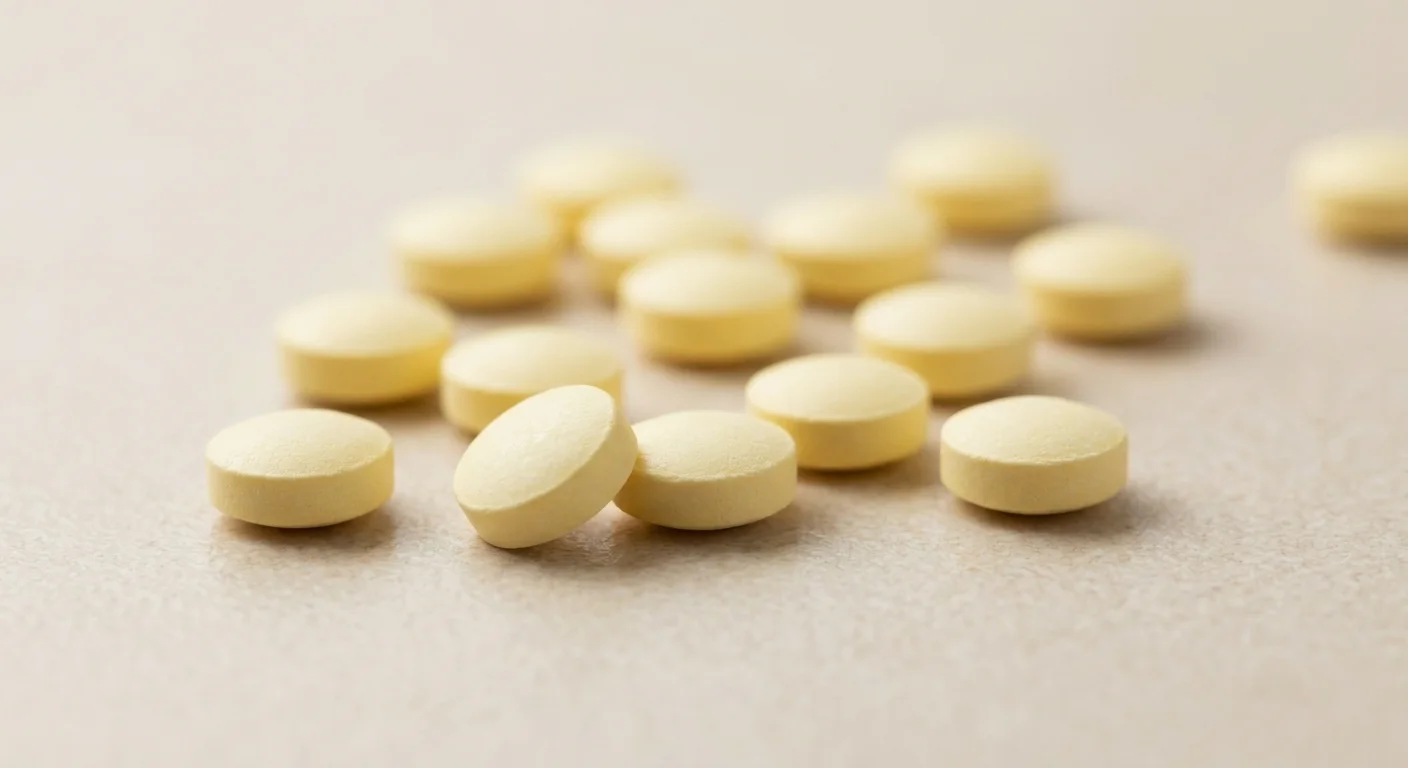
Folic acid tablets quality control represents a comprehensive system designed to ensure the safety, efficacy, and consistency of folic acid supplementation products. Folic acid tablets quality control processes involve rigorous testing methodologies that verify potency, purity, and uniformity across all batches. These tablets serve as essential nutritional supplements for individuals requiring enhanced folate intake, particularly pregnant women, nursing mothers, and those with dietary deficiencies. The technological features of folic acid tablets quality control include advanced analytical techniques such as high-performance liquid chromatography (HPLC), mass spectrometry, and dissolution testing. These methods guarantee that each tablet contains the declared amount of folic acid while remaining free from contaminants and degradation products. The folic acid tablets quality control framework encompasses raw material verification, in-process monitoring, and finished product evaluation. Applications span pharmaceutical manufacturing, dietary supplement production, and clinical nutrition sectors. Modern folic acid tablets quality control systems utilize automated equipment and computerized data management to maintain consistent standards. Manufacturers implement stability testing protocols to assess how environmental factors affect tablet integrity over time. The integration of folic acid tablets quality control with regulatory compliance ensures products meet international standards including USP, BP, and EP specifications. This comprehensive approach protects consumer health while maintaining manufacturer credibility and market competitiveness.

Popular Products

Folic acid tablets quality control delivers substantial practical benefits that directly impact consumer safety and product reliability. First, it guarantees accurate dosage delivery, meaning each tablet contains precisely the labeled amount of folic acid, eliminating concerns about under or overdosing. This consistency proves critical for pregnant women requiring specific folate levels to prevent neural tube defects. Second, folic acid tablets quality control identifies and eliminates contaminants including heavy metals, microbial organisms, and chemical impurities before products reach consumers. This protective mechanism significantly reduces health risks and adverse reactions. Third, the process ensures tablet stability and shelf life, confirming products maintain their potency throughout distribution and storage periods. Customers can confidently use tablets without worrying about degradation or effectiveness loss. Fourth, folic acid tablets quality control streamlines regulatory compliance, allowing manufacturers to meet international standards and obtain necessary certifications. This compliance facilitates market access and builds consumer trust through verified third-party endorsements. Fifth, the process reduces product liability risks and potential recalls by catching issues early in production. Manufacturers benefit from improved operational efficiency and reduced waste through comprehensive testing protocols. Sixth, folic acid tablets quality control enables competitive pricing by optimizing production processes and reducing costs associated with failed batches or customer complaints. Finally, transparent quality control documentation provides healthcare professionals and consumers with confidence in product authenticity and performance. These operational advantages translate into better health outcomes, stronger brand reputation, and sustainable business growth for supplement manufacturers and distributors.

Practical Tips

Second-gen antihistamine sourcing: how to distinguish EP/USP grades for cetirizine API?

08

Jun

Second-gen antihistamine sourcing: how to distinguish EP/USP grades for cetirizine API?

Sourcing high-quality cetirizine API requires pharmaceutical manufacturers to navigate complex regulatory distinctions between European Pharmacopoeia and United States Pharmacopeia standards. The choice between EP and USP grade cetirizine directly im...
View More
Folic acid tablet color variation rejected by EU client: what are supplier's color tolerance standards?

29

Jul

Folic acid tablet color variation rejected by EU client: what are supplier's color tolerance standards?

When European Union clients reject pharmaceutical shipments due to color variations in folic acid tablets, suppliers face immediate financial losses and damaged business relationships. The European pharmaceutical market maintains exceptionally strict...
View More
Dimenhydrinate tablet shelf life reduced to 18 months: can suppliers extend it?

08

Jul

Dimenhydrinate tablet shelf life reduced to 18 months: can suppliers extend it?

The recent reduction of dimenhydrinate tablet shelf life from 24 to 18 months has created significant challenges for pharmaceutical suppliers worldwide. This change affects dimenhydrinate 50 mg formulations particularly, as manufacturers reassess sta...
View More
How to qualify compliant OTC cream suppliers for tinea pedis and cruris treatment?

03

Aug

How to qualify compliant OTC cream suppliers for tinea pedis and cruris treatment?

Selecting the right supplier for miconazole cream requires a systematic approach that balances regulatory compliance, product quality, and reliability. Tinea pedis and tinea cruris are common fungal infections affecting millions of patients annually,...
View More

Get a Free Quote

Our representative will contact you soon.
Name
Email
Tel
Company Name
Message
0/1000

folic acid tablets quality control

Comprehensive Potency Verification

Comprehensive Potency Verification

Folic acid tablets quality control employs sophisticated analytical methods to verify that every tablet delivers the exact folic acid concentration specified on packaging. High-performance liquid chromatography technology measures active ingredient levels with precision, detecting even minor deviations from target potencies. This rigorous verification protects consumers from ineffective supplements and ensures pregnant women receive adequate folate for fetal development. Testing protocols establish baseline potency standards for each production batch, comparing actual results against predetermined specifications. Folic acid tablets quality control systems flag batches failing to meet potency requirements, preventing distribution of substandard products. The process verifies that potency remains consistent from the first tablet manufactured to the last unit in each batch. Automated data collection generates comprehensive reports documenting potency results for every production run. Manufacturers can track potency trends over time, identifying potential manufacturing issues before they compromise product integrity. This commitment to potency verification distinguishes premium supplements from inferior alternatives in crowded marketplace environments.
Contamination Detection and Prevention

Contamination Detection and Prevention

Folic acid tablets quality control implements multi-layer contamination detection systems that identify harmful substances before consumer exposure. Testing protocols screen for heavy metals including lead, cadmium, and mercury that could accumulate in body tissues causing serious health consequences. Microbial analysis detects bacteria, fungi, and pathogens that might proliferate during tablet storage or use. Chemical residue testing identifies pesticides, solvents, and manufacturing byproducts that could remain from production processes. Mass spectrometry techniques provide ultra-sensitive detection capabilities for trace contaminants others might miss. Folic acid tablets quality control procedures evaluate raw materials, manufacturing equipment, and finished products at multiple checkpoints throughout production. Environmental monitoring confirms that manufacturing facilities maintain cleanliness standards preventing cross-contamination from other products or substances. Documentation of all testing results creates accountability trails that regulators and consumers can review. This comprehensive contamination prevention approach guarantees that folic acid tablets quality control protects vulnerable populations including pregnant women and immunocompromised individuals from health threats.
Stability and Shelf Life Assurance

Stability and Shelf Life Assurance

Folic acid tablets quality control includes accelerated stability testing that predicts how products perform under various storage conditions over extended periods. Manufacturers expose tablets to elevated temperatures and humidity levels, simulating real-world storage scenarios consumers encounter. Testing measures how folic acid content degrades under stress conditions, establishing accurate shelf life projections and optimal storage recommendations. Folic acid tablets quality control protocols ensure tablets maintain potency for the entire declared shelf life, protecting consumers from purchasing expired or degraded supplements. Package integrity testing confirms that bottle seals and child-resistant caps function properly, preventing moisture and oxygen penetration that accelerates degradation. Manufacturers conduct real-time stability studies tracking actual tablet performance under normal storage conditions, validating accelerated testing predictions. Light exposure studies evaluate whether amber or opaque packaging adequately protects folic acid from photodegradation. Documentation of stability results provides healthcare providers and consumers with confidence that products perform reliably throughout their declared expiration dates, supporting consistent health outcomes.

Get a Free Quote

Our representative will contact you soon.
Name
Email
Tel
Company Name
Message
0/1000

Get a Free Quote

Our representative will contact you soon.
Name
Email
Tel
Company Name
Message
0/1000