
 EN

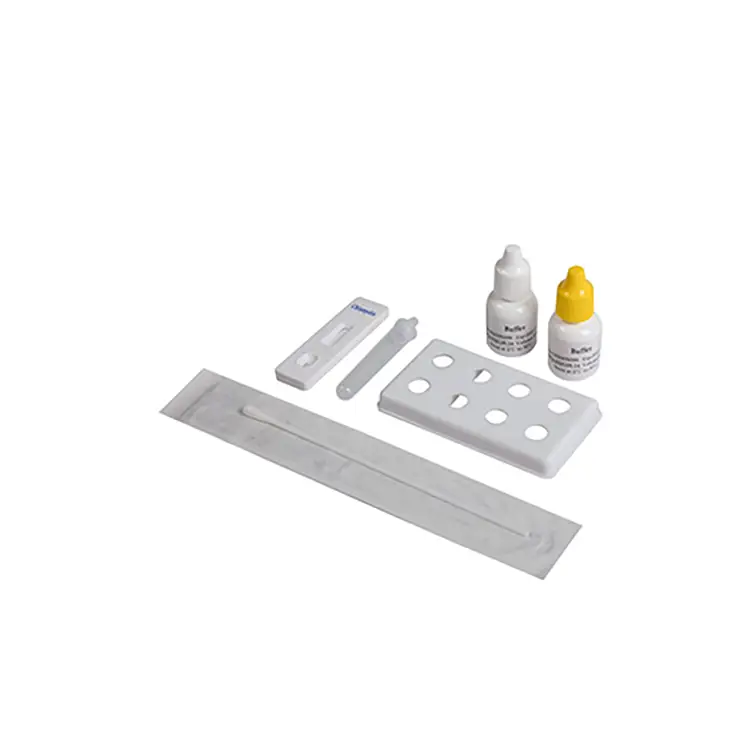
Securing the right rapid diagnostic test supplier for government tenders requires careful evaluation of both capability and reliability. When procurement officers and healthcare administrators issue tenders for rapid diagnostic test products, they face significant pressure to identify vendors who can meet stringent delivery timelines, maintain consistent quality, and scale operations according to demand fluctuations. A rapid diagnostic test supplier must demonstrate not only technical excellence but also operational capacity to fulfill large-scale orders without delays. The stakes are particularly high in government procurement, where service failures can impact public health outcomes and erode stakeholder confidence.
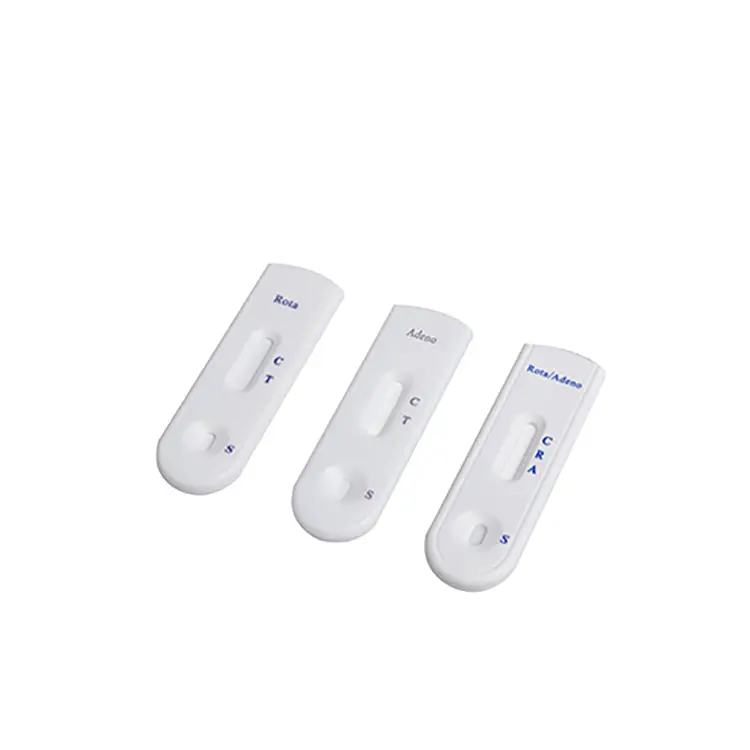
Government tenders for rapid diagnostic test products demand vendors who understand procurement workflows, regulatory compliance, and the operational realities of mass deployment. Selecting a rapid diagnostic test partner without comprehensive due diligence on delivery capacity often leads to supply chain disruptions, unmet deadlines, and budget overruns. This guide walks you through the essential criteria for evaluating rapid diagnostic test suppliers to ensure your organization partners with vendors capable of supporting large-scale government initiatives.
Evaluating Delivery Capacity and Infrastructure
Manufacturing Volume and Production Scalability
The foundation of any reliable rapid diagnostic test supplier relationship begins with understanding their production infrastructure. A rapid diagnostic test manufacturer must operate facilities certified to handle high-volume output while maintaining strict quality control protocols. When assessing a rapid diagnostic test vendor, request detailed specifications on their current production capacity, maximum throughput per month, and equipment redundancy plans. Leading rapid diagnostic test suppliers invest in multiple production lines to prevent single-point failures and ensure continuity even during maintenance cycles or unexpected disruptions.
Beyond existing capacity, evaluate whether a rapid diagnostic test supplier has documented plans for scaling operations. Government tenders often include volume guarantees and delivery schedules that may require 30 percent to 50 percent production increases within short timeframes. A rapid diagnostic test partner must demonstrate they can activate additional production capacity, source raw materials at scale, and maintain quality standards under accelerated timelines. Request production roadmaps, capital expenditure plans, and evidence of supplier relationships with upstream material providers.
Logistics and Distribution Networks
Delivery capacity extends far beyond manufacturing; it encompasses the entire logistics chain. A rapid diagnostic test supplier must operate or partner with established distribution networks capable of handling temperature-sensitive products and meeting strict delivery windows. Evaluate whether the rapid diagnostic test vendor maintains regional warehouses, cold-chain infrastructure, and real-time tracking systems. Government tenders frequently require delivery to multiple locations simultaneously, so a rapid diagnostic test supplier must have the logistics sophistication to coordinate multi-destination shipments without quality degradation.
Question rapid diagnostic test candidates about their reverse logistics capabilities and product handling procedures during transportation. A rapid diagnostic test product's integrity depends on proper storage temperatures, humidity levels, and packaging during every stage of the supply chain. Verify that a rapid diagnostic test supplier maintains certifications from relevant logistics authorities and conducts regular audits of their distribution partners. Insurance coverage, liability frameworks, and contingency protocols for damaged shipments should all be clarified before contract execution.
Regulatory Compliance and Quality Assurance
Certifications and Regulatory Standards
Government procurement for rapid diagnostic test products mandates strict regulatory compliance across multiple jurisdictions. Before selecting a rapid diagnostic test supplier, confirm they hold all required certifications including ISO 13485 for medical device quality management systems, WHO prequalification where applicable, and any country-specific regulatory approvals. A rapid diagnostic test manufacturer must demonstrate consistent adherence to Good Manufacturing Practice standards and maintain documentation of regulatory submissions and approvals. Request copies of regulatory certificates and verify their validity periods to ensure continuous compliance throughout your contract term.
A rapid diagnostic test supplier's quality management system directly impacts their ability to meet government tender specifications. Examine whether a rapid diagnostic test vendor conducts independent third-party audits, maintains traceability systems for all components, and implements corrective action protocols. Government contracts often include surprise audits and facility inspections, so a rapid diagnostic test partner must maintain pristine documentation and operational discipline. Request references from previous government clients and inquire about any regulatory warnings or compliance issues in their history.
Testing and Validation Protocols
A rapid diagnostic test supplier must provide comprehensive documentation of product validation and performance specifications. Review rapid diagnostic test technical data including sensitivity, specificity, accuracy rates under various environmental conditions, and shelf-life stability data. Government tenders typically require rapid diagnostic test products to perform consistently across different climate zones and storage conditions, so stability testing reports are essential. A rapid diagnostic test partner should demonstrate they conduct regular performance verification testing and maintain quality reference standards for every production batch.
Evaluate the rapid diagnostic test supplier's approach to post-market surveillance and adverse event reporting. Government health agencies track rapid diagnostic test performance in real-world settings and expect suppliers to maintain detailed records of any product issues or user feedback. A rapid diagnostic test vendor must have systems in place to rapidly identify quality anomalies, communicate findings to health authorities, and execute recalls if necessary. This proactive approach protects both the end-user population and the integrity of your government tender relationship.
Financial Stability and Contract Performance History
Financial Health and Long-Term Viability
Government rapid diagnostic test tenders often extend over multiple years with substantial financial commitments. Before partnering with a rapid diagnostic test supplier, conduct financial due diligence to ensure they possess adequate capitalization and cash flow stability. A rapid diagnostic test vendor who faces sudden financial constraints may sacrifice quality, reduce production capacity, or fail to meet delivery commitments. Request recent financial statements, credit references, and banking relationships to establish confidence in their long-term viability as a rapid diagnostic test partner.
Consider obtaining insurance information and bonding details from your rapid diagnostic test supplier. Government contracts frequently require performance bonds, and a rapid diagnostic test vendor's ability to secure bonding at competitive rates reflects their financial standing in the industry. A reliable rapid diagnostic test partner maintains adequate working capital reserves to fund production ramps and absorb unexpected costs without passing them to the buyer. Request details on their banking relationships, credit facilities, and financial forecasts to ensure they can support sustained large-scale rapid diagnostic test delivery.
Track Record and Reference Validation
Past performance represents the strongest predictor of future delivery success with a rapid diagnostic test supplier. Request detailed references from previous government clients who have used the rapid diagnostic test vendor's products under similar contract structures. A rapid diagnostic test partner should provide case studies documenting their ability to meet volume commitments, maintain on-time delivery, and handle contract modifications. Speak directly with reference contacts about their experience, any challenges they encountered, and how the rapid diagnostic test supplier responded to issues.
Investigate the rapid diagnostic test supplier's contract performance history through public procurement records where available. A rapid diagnostic test vendor without documented compliance issues, delivery failures, or regulatory sanctions demonstrates the operational discipline required for government work. Cross-reference rapid diagnostic test supplier claims with industry databases, trade associations, and regulatory bodies to verify their stated capabilities. A trustworthy rapid diagnostic test partner welcomes transparent reference checking and maintains relationships with multiple satisfied government buyers.
FAQ
What minimum delivery capacity should a rapid diagnostic test supplier demonstrate?
A rapid diagnostic test supplier should have demonstrated capacity to deliver at least one million units per month and documented ability to scale to two to three million units within 60 to 90 days. Your rapid diagnostic test vendor must maintain multiple production lines, inventory buffers, and logistics partnerships to sustain high-volume government orders. Request detailed production schedules and capacity timelines before finalizing rapid diagnostic test supplier contracts.
How do you verify rapid diagnostic test supplier regulatory compliance?
Contact the regulatory bodies directly to verify a rapid diagnostic test supplier's certifications and conduct independent audits of their facilities. A rapid diagnostic test vendor should provide copies of ISO 13485 certificates, WHO prequalifications, and country-specific approvals along with evidence of recent compliance audits. Request rapid diagnostic test supplier documentation of any regulatory communications, corrective actions, or compliance matters from the past three to five years.
What financial safeguards should government tenders include with a rapid diagnostic test supplier?
Government rapid diagnostic test tenders should require performance bonds, parent company guarantees, and regular financial reporting from the supplier. Include rapid diagnostic test quality penalty clauses and right-of-audit provisions in contracts to protect public investment. A rapid diagnostic test supplier must maintain insurance coverage adequate to compensate for delivery failures, contamination, or product quality issues.