
 EN

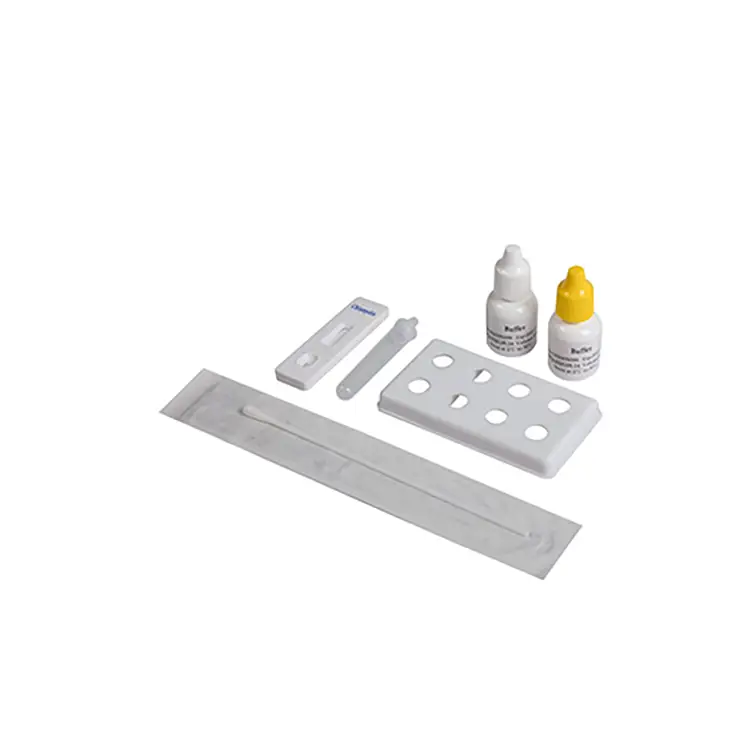
Manufacturers seeking to distribute a rapid diagnostic test globally face substantial regulatory hurdles that determine market viability and procurement eligibility. CE marking and WHO prequalification represent the two most critical certification pathways, yet each operates under distinct frameworks, timelines, and cost structures. Understanding these entry barriers is essential for organizations planning to bring a rapid diagnostic test to public health markets, particularly in low- and middle-income countries where procurement decisions frequently hinge on WHO prequalification status. The complexity of dual certification—when required—demands strategic planning, technical expertise, and sustained investment before revenue generation begins.
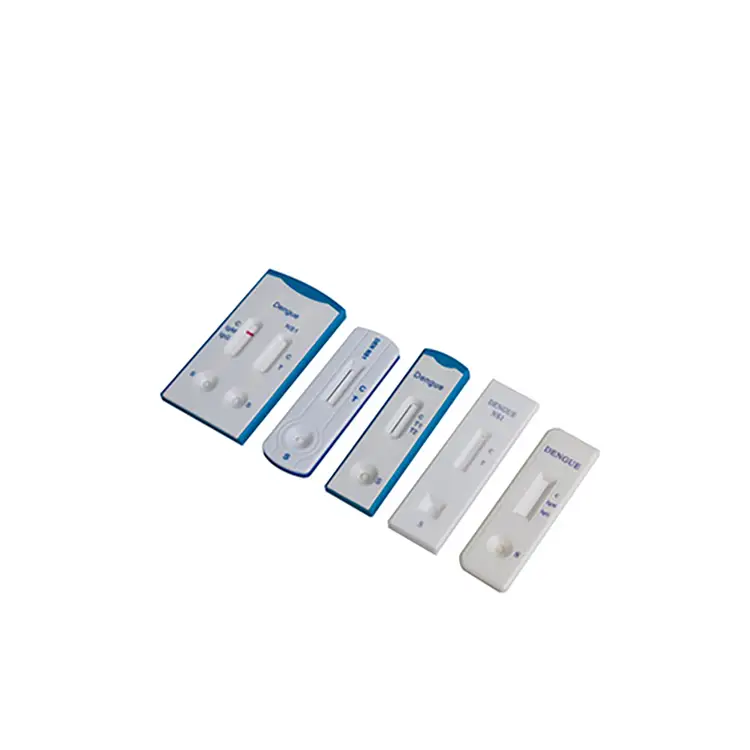
This article examines how CE marking and WHO prequalification function as gatekeepers in the rapid diagnostic test industry, explores the technical and financial barriers manufacturers must overcome, and clarifies the distinct pathways these certifications represent. Public health procurement officers, laboratory directors, and diagnostic manufacturers alike benefit from understanding these regulatory layers, as they directly influence product availability, pricing models, and institutional purchasing decisions across high-volume immunization, infectious disease surveillance, and disease elimination programs.
CE Marking Requirements for Rapid Diagnostic Test Distribution
Understanding CE Marking Scope and Legal Basis
CE marking certifies that a rapid diagnostic test meets essential safety and performance requirements under the In Vitro Diagnostic Regulation (IVDR) in the European Union and European Economic Area. This marking is mandatory before placing any rapid diagnostic test on the market in these regions and signals that the manufacturer has conducted conformity assessment. For a rapid diagnostic test, CE marking must demonstrate clinical validity, analytical sensitivity and specificity, and compliance with electrical safety and labeling standards. The IVDR classifies rapid diagnostic test products into risk categories, with most point-of-care rapid diagnostic test systems falling into Class B or C, requiring more rigorous documentation than lower-risk tests.
Technical Documentation and Quality System Prerequisites
Obtaining CE marking for a rapid diagnostic test demands comprehensive technical files, including analytical performance data, clinical performance studies, and quality management system documentation. Manufacturers must establish traceability for all components, conduct stability testing across intended storage conditions, and document manufacturing process controls specific to rapid diagnostic test production. A rapid diagnostic test manufacturer must also maintain usability and instruction-for-use documentation tailored to the end-user population. Third-party Notified Bodies—independent conformity assessment organizations—review the technical file for a rapid diagnostic test and issue the CE certificate, a process typically requiring six to eighteen months depending on the complexity of the rapid diagnostic test and completeness of the submission.
WHO Prequalification Pathway for Rapid Diagnostic Test Products
Strategic Role of WHO Prequalification in Public Health Procurement
WHO prequalification represents a parallel but distinct certification that rapid diagnostic test manufacturers pursue to access procurement by GAVI-eligible countries, UNICEF supply agreements, and other UN agency purchase frameworks. Unlike CE marking, which focuses on regulatory compliance within Europe, WHO prequalification evaluates a rapid diagnostic test against WHO-specific performance standards and manufacturing practices, assessing suitability for use in settings with varying laboratory infrastructure and resource constraints. A rapid diagnostic test that achieves WHO prequalification gains presumptive eligibility for procurement by global health organizations, dramatically expanding market reach into sub-Saharan Africa, South Asia, and other high-burden regions where public health procurement drives volume. The WHO prequalification of a rapid diagnostic test signals to procurement officers that independent WHO experts have verified the product's performance and manufacturing reliability.
Assessment Timeline and Dossier Requirements for Rapid Diagnostic Test Certification
The WHO prequalification process for a rapid diagnostic test involves submission of a comprehensive dossier including manufacturing site information, product specifications, clinical performance data, and quality control protocols. WHO evaluates a rapid diagnostic test through desktop review, on-site inspection of manufacturing facilities, and assessment of laboratory performance data against WHO technical specifications. The prequalification timeline for a rapid diagnostic test typically spans twelve to thirty-six months, influenced by the completeness of the initial submission, responsiveness to WHO queries, and scheduling of facility inspections. Once WHO prequalifies a rapid diagnostic test, the product appears in the WHO list of prequalified diagnostics, a status that significantly influences procurement decisions across bilateral health programs, Ministries of Health, and international donors supporting disease surveillance and response campaigns.
Intersection of CE Marking and WHO Prequalification as Cumulative Entry Barriers
Cost, Timeline, and Strategic Coordination Challenges
Pursuing both CE marking and WHO prequalification for a rapid diagnostic test creates substantial cumulative barriers, as each pathway demands independent documentation, regulatory submissions, and facility compliance audits. The combined cost of dual certification for a rapid diagnostic test often exceeds $500,000 to $2,000,000 depending on product complexity, requirement for clinical studies, and manufacturing infrastructure investments. Manufacturers must align technical documentation between the two pathways while meeting distinct regulatory expectations: CE marking emphasizes electrical safety and traceability, while WHO prequalification prioritizes real-world performance in resource-limited settings and robustness of manufacturing controls. A rapid diagnostic test manufacturer must also maintain manufacturing compliance with both frameworks simultaneously, requiring parallel quality management systems and documentation practices that exceed what either certification alone would demand.
Market Access Implications and Procurement Eligibility
A rapid diagnostic test with CE marking alone qualifies for distribution in European markets but remains ineligible for GAVI-supported procurement, UNICEF supply agreements, and many bilateral health programs. Conversely, a rapid diagnostic test with WHO prequalification but without CE marking cannot enter European Union markets, limiting access to high-income country procurement despite meeting global technical standards. The strategic reality is that many manufacturers of rapid diagnostic test products must pursue CE marking first to establish regulatory credibility in developed markets, then pursue WHO prequalification to access high-volume public health programs. This sequencing extends the time-to-market for a rapid diagnostic test but maximizes geographic coverage and procurement eligibility across both developed and developing health systems, ultimately justifying the incremental cost and timeline investment from a commercial perspective.
FAQ
What happens if a rapid diagnostic test has CE marking but no WHO prequalification?
A rapid diagnostic test with CE marking but without WHO prequalification can be distributed legally in European Union and European Economic Area countries and sold through commercial channels in other regions, but cannot access GAVI procurement, UNICEF supply agreements, or most bilateral health program procurement in low- and middle-income countries. WHO prequalification specifically certifies suitability for public health procurement systems, so absence of this certification excludes a rapid diagnostic test from these high-volume purchasing channels despite valid European regulatory approval.
How does manufacturing facility inspection influence rapid diagnostic test certification?
Both CE marking and WHO prequalification require Notified Bodies or WHO inspectors to audit the manufacturing facility where a rapid diagnostic test is produced, verifying that quality management systems, contamination controls, and staff training meet required standards. A rapid diagnostic test manufacturer failing facility inspection must remediate deficiencies and typically undergo repeat inspection before certification is granted, extending timelines by six to twelve months. This inspection requirement incentivizes manufacturers to invest in manufacturing infrastructure and quality systems that exceed minimum standards, ensuring a rapid diagnostic test maintains consistent performance across production batches.
Can a rapid diagnostic test receive WHO prequalification without clinical studies?
WHO prequalification of a rapid diagnostic test typically requires clinical performance data demonstrating sensitivity and specificity in target populations, though WHO may accept published peer-reviewed data rather than requiring new studies. A rapid diagnostic test manufacturer can accelerate prequalification by leveraging existing clinical evidence from published literature, regulatory approvals in other countries, or previous diagnostic performance assessments, provided WHO evaluates this evidence as meeting WHO technical specifications. However, a rapid diagnostic test without any clinical performance data cannot achieve WHO prequalification, as WHO's core mandate is ensuring diagnostics perform reliably in the settings where they will be deployed.