
 EN
EN

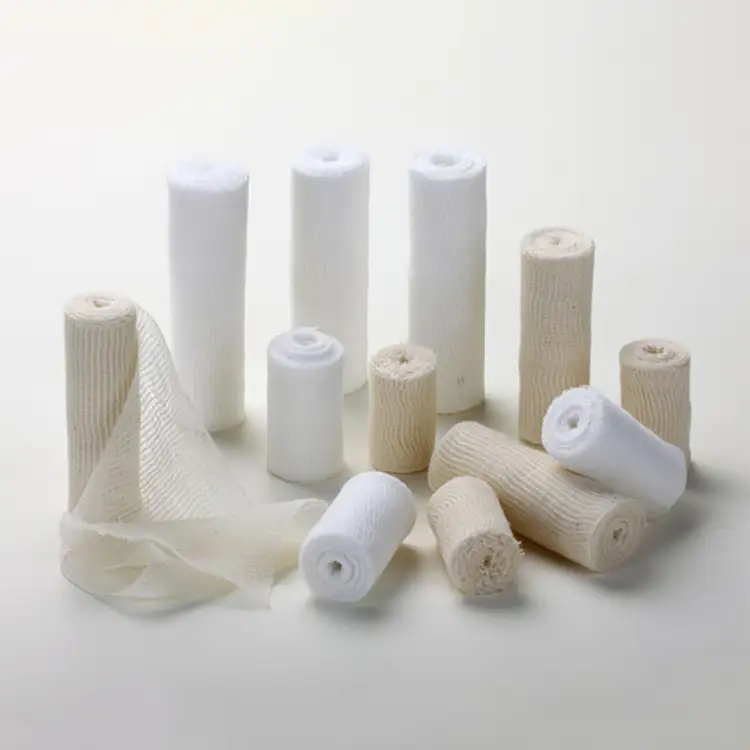
The substitutability of traditional gauze bandage products with modern non-woven alternatives represents a critical decision point in clinical procurement and patient care protocols. Healthcare facilities worldwide are increasingly evaluating whether non-woven bandages can effectively replace conventional gauze bandage systems without compromising patient outcomes or operational efficiency. This analysis requires careful consideration of material properties, clinical performance metrics, cost implications, and regulatory compliance factors that influence the practical interchangeability of these wound care solutions.
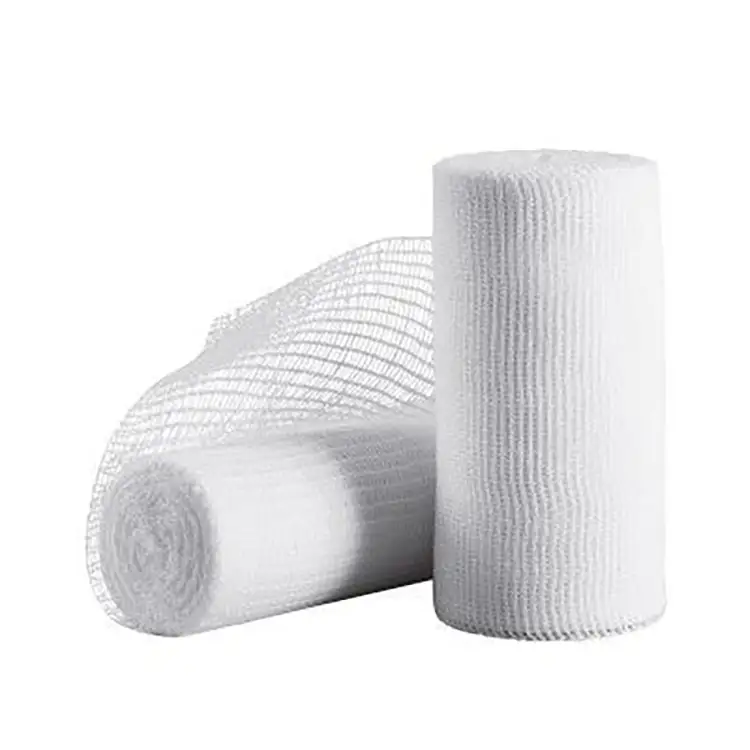
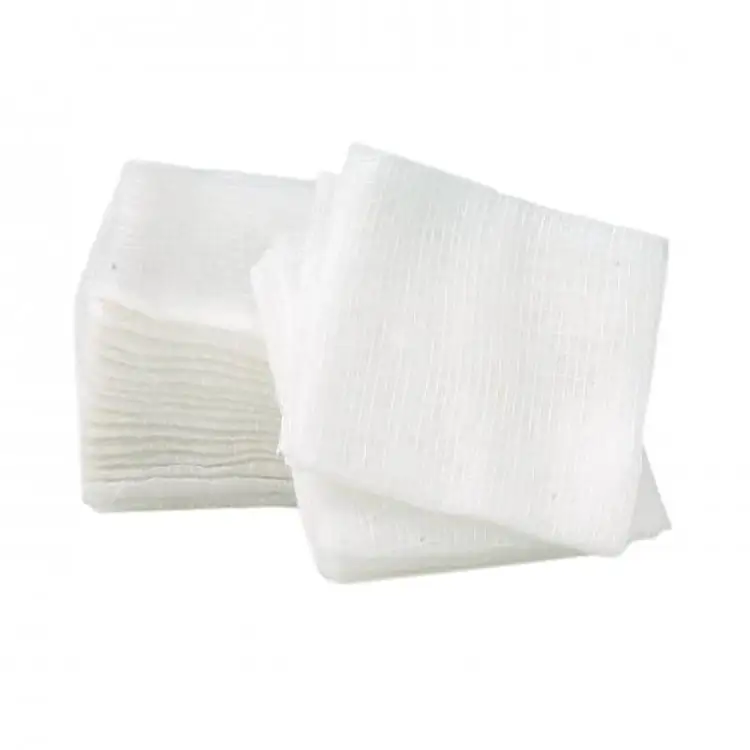
Understanding the substitutability dynamics between gauze bandage and non-woven options requires examining fundamental differences in manufacturing processes, material composition, and intended clinical applications. Traditional gauze bandage products utilize woven cotton or cotton-blend fibers that create a loose, breathable structure with natural absorbent properties. Non-woven bandages, conversely, employ synthetic or natural fibers bonded through chemical, mechanical, or thermal processes to create uniform, controlled-porosity materials with engineered performance characteristics.
Material Science Comparison in Clinical Applications
Fiber Structure and Absorption Mechanisms
The fundamental difference between gauze bandage construction and non-woven alternatives lies in their fiber arrangement and resulting absorption patterns. Traditional gauze bandage materials feature loosely woven cotton fibers that create capillary spaces for fluid absorption and air circulation. This woven structure allows for natural wicking action while maintaining structural integrity under moderate stress conditions.
Non-woven bandages utilize bonded fiber matrices that provide more uniform absorption distribution across the dressing surface. The controlled fiber orientation in non-woven materials creates predictable fluid pathways, often resulting in more consistent absorption rates compared to traditional gauze bandage products. This uniformity can be particularly advantageous in clinical settings where precise exudate management is critical for optimal wound healing outcomes.
The porosity characteristics of these materials directly influence their clinical performance and substitutability potential. Gauze bandage products typically exhibit variable pore sizes due to the inherent inconsistencies in natural fiber weaving processes. Non-woven alternatives can be engineered with specific pore size distributions, allowing for more targeted applications based on wound type and drainage requirements.
Biocompatibility and Patient Response Factors
Clinical substitutability analysis must consider the biocompatibility profiles of gauze bandage versus non-woven materials. Traditional cotton-based gauze bandage products generally demonstrate excellent biocompatibility due to the natural origin of cotton fibers and minimal chemical processing involved in their manufacture. This natural composition typically results in low allergenic potential and minimal tissue reaction in most patient populations.
Non-woven bandages present more complex biocompatibility considerations due to their diverse material compositions and manufacturing processes. Some non-woven products utilize synthetic polymers that may require additional testing to establish equivalency with traditional gauze bandage materials. However, many modern non-woven bandages are specifically designed to match or exceed the biocompatibility standards of conventional gauze products.
The pH stability and chemical inertness of these materials also influence their substitutability in clinical applications. Gauze bandage products maintain neutral pH levels and demonstrate chemical stability across typical wound environments. Non-woven alternatives must demonstrate similar chemical inertness to be considered truly substitutable in sensitive clinical applications where wound chemistry balance is crucial for healing outcomes.
Performance Metrics and Clinical Equivalency
Absorption Capacity and Fluid Management
Quantitative analysis of absorption capacity reveals significant differences between gauze bandage and non-woven alternatives that impact their clinical substitutability. Traditional gauze bandage materials typically absorb 15-20 times their weight in aqueous solutions, with absorption rates varying based on fiber quality and weave density. This absorption capacity makes gauze bandage products suitable for moderate to heavy exudate management applications.
Non-woven bandages can be engineered to achieve specific absorption capacities ranging from 10-25 times their weight, depending on fiber composition and bonding methods. The controlled nature of non-woven manufacturing allows for more precise absorption characteristics, potentially offering superior fluid management in specific clinical scenarios where gauze bandage performance may be suboptimal.
The retention characteristics of absorbed fluids also differ between these materials. Gauze bandage products may experience fluid re-release under compression or movement, while non-woven alternatives often demonstrate superior fluid retention due to their bonded fiber structure. This difference can significantly impact substitutability decisions in applications requiring consistent moisture management.
Mechanical Properties and Durability Considerations
The mechanical strength and durability characteristics of gauze bandage versus non-woven materials influence their interchangeability in clinical applications. Traditional gauze bandage products derive their strength from the interlaced fiber structure, providing moderate tensile strength and tear resistance. This mechanical profile suits applications requiring conformability and gentle contact with wound surfaces.
Non-woven bandages exhibit different mechanical properties based on their bonding methods and fiber orientations. Thermally bonded non-woven materials may demonstrate higher initial strength but reduced flexibility compared to gauze bandage alternatives. Mechanically bonded non-woven products can offer improved conformability while maintaining structural integrity under clinical use conditions.
The dimensional stability of these materials under moisture exposure affects their clinical substitutability. Gauze bandage products may experience slight dimensional changes when saturated, potentially affecting dressing integrity in long-term applications. Non-woven alternatives can be engineered for improved dimensional stability, offering potential advantages in extended-wear applications where gauze bandage performance may be limiting.
Cost-Effectiveness and Procurement Considerations
Manufacturing Cost Structures and Market Pricing
The economic analysis of gauze bandage versus non-woven bandage substitutability reveals complex cost relationships that extend beyond unit pricing comparisons. Traditional gauze bandage manufacturing relies on established cotton processing infrastructure and well-defined supply chains, typically resulting in stable, predictable pricing structures. The commodity nature of cotton raw materials provides transparency in cost fluctuations and procurement planning.
Non-woven bandage production involves more sophisticated manufacturing processes and potentially volatile synthetic raw material costs. However, the controlled manufacturing environment for non-woven products can result in more consistent quality outcomes and reduced waste compared to traditional gauze bandage production. These factors must be considered when evaluating total cost of ownership in clinical substitutability decisions.
Volume purchasing considerations also influence the economic substitutability of gauze bandage and non-woven alternatives. Healthcare systems may achieve different economies of scale with each product category, depending on their procurement volumes and supplier relationships. The standardization potential of non-woven products may offer procurement advantages in large healthcare networks seeking to consolidate gauze bandage specifications.
Inventory Management and Storage Requirements
Storage and inventory management factors significantly impact the practical substitutability of gauze bandage and non-woven alternatives in clinical settings. Traditional gauze bandage products typically require basic dry storage conditions and demonstrate stable performance characteristics over extended storage periods. The natural fiber composition of cotton-based gauze bandage materials generally resists degradation under proper storage conditions.
Non-woven bandages may have different storage requirements depending on their material composition and manufacturing processes. Some synthetic non-woven materials may require controlled temperature or humidity conditions to maintain optimal performance characteristics. These storage considerations can affect the total cost of ownership and practical substitutability in healthcare facilities with limited climate-controlled storage capacity.
Shelf life characteristics also influence substitutability decisions between gauze bandage and non-woven products. Traditional gauze bandage materials typically maintain their performance properties over extended periods when properly stored. Non-woven alternatives may have different shelf life profiles based on their material composition and any additional chemical treatments applied during manufacturing.
Regulatory Compliance and Quality Standards
Medical Device Classification and Approval Requirements
The regulatory framework governing gauze bandage and non-woven bandage products significantly influences their substitutability in clinical applications. Traditional gauze bandage products often benefit from established regulatory pathways and well-documented safety profiles that facilitate market approval and clinical adoption. The long history of clinical use for cotton-based gauze bandage materials provides extensive safety data and regulatory precedent.
Non-woven bandages may require different regulatory approaches depending on their material composition and manufacturing processes. Novel synthetic materials or innovative bonding methods may necessitate additional testing protocols or regulatory submissions compared to traditional gauze bandage products. Healthcare facilities must consider these regulatory implications when evaluating substitutability options for their wound care protocols.
Quality management system requirements also differ between gauze bandage and non-woven manufacturing processes. The controlled manufacturing environment typical of non-woven production may offer advantages in maintaining consistent quality standards and regulatory compliance. However, this may also result in more complex documentation requirements compared to traditional gauze bandage production methods.
Clinical Testing and Validation Protocols
Establishing clinical equivalency between gauze bandage and non-woven alternatives requires comprehensive testing protocols that address both material properties and clinical performance outcomes. Standard testing methodologies for absorbent wound care products provide frameworks for comparing absorption capacity, fluid retention, and biocompatibility between gauze bandage and non-woven materials.
Clinical validation studies must demonstrate that non-woven alternatives can achieve equivalent or superior patient outcomes compared to traditional gauze bandage products in relevant clinical scenarios. These studies typically evaluate wound healing rates, infection prevention, patient comfort, and healthcare provider satisfaction across diverse patient populations and wound types.
The documentation requirements for clinical substitutability may vary based on the intended use applications and risk classifications of the wound care products. High-risk applications may require more extensive clinical data to support substitutability claims, while routine wound care applications may rely on established biocompatibility and performance testing protocols.
Implementation Strategies for Clinical Substitution
Staff Training and Protocol Development
Successful implementation of non-woven bandage substitution for traditional gauze bandage products requires comprehensive staff training programs that address material differences and application techniques. Healthcare providers must understand how the performance characteristics of non-woven materials differ from familiar gauze bandage products to optimize clinical outcomes during the transition period.
Protocol development should address specific clinical scenarios where gauze bandage and non-woven materials may perform differently. This includes guidance on appropriate selection criteria, application methods, and monitoring requirements for each material type. Clear documentation of these protocols ensures consistent implementation across clinical teams and departments.
Quality assurance programs should monitor clinical outcomes during the substitution process to identify any performance differences between gauze bandage and non-woven alternatives. Regular assessment of wound healing rates, patient satisfaction, and healthcare provider feedback provides objective data to validate substitutability decisions and optimize material selection protocols.
Phased Implementation and Performance Monitoring
A phased approach to substituting non-woven bandages for traditional gauze bandage products allows healthcare facilities to evaluate performance in controlled clinical environments before full implementation. Initial pilot programs in specific departments or patient populations can provide valuable insights into practical substitutability challenges and opportunities.
Performance monitoring systems should track key metrics including clinical outcomes, material utilization rates, and cost implications throughout the implementation process. This data enables evidence-based decisions about the continued substitutability of gauze bandage products with non-woven alternatives and identifies areas requiring protocol adjustments.
Long-term evaluation programs should assess the sustainability of substitution decisions and identify any emerging issues related to material performance, supply chain reliability, or clinical outcomes. Regular review of substitutability decisions ensures that the selected materials continue to meet clinical requirements and organizational objectives over time.
FAQ
Can non-woven bandages completely replace traditional gauze bandage products in all clinical applications?
Non-woven bandages can substitute for traditional gauze bandage products in many clinical applications, but complete substitutability depends on specific use requirements and material characteristics. While non-woven alternatives often provide equivalent or superior performance in absorption, conformability, and consistency, certain specialized applications may still require the unique properties of traditional woven cotton gauze. Healthcare facilities should conduct thorough clinical evaluations to determine appropriate substitution strategies based on their specific patient populations and clinical protocols.
What are the primary cost implications of substituting gauze bandage with non-woven alternatives?
The cost implications of substituting gauze bandage with non-woven alternatives involve both unit pricing differences and total cost of ownership considerations. Non-woven bandages may have higher initial unit costs but can offer savings through improved performance consistency, reduced waste, and enhanced inventory management. Healthcare facilities should analyze their specific usage patterns, procurement volumes, and clinical outcomes to determine the overall economic impact of substitution decisions.
How do storage and handling requirements differ between gauze bandage and non-woven products?
Storage and handling requirements for gauze bandage versus non-woven products vary based on material composition and manufacturing processes. Traditional cotton gauze bandage products typically require basic dry storage conditions and demonstrate stable performance over extended periods. Non-woven alternatives may have specific temperature or humidity requirements depending on their synthetic material components, potentially requiring controlled storage environments in some healthcare facilities.
What regulatory considerations affect the substitutability of these wound care materials?
Regulatory considerations for substituting gauze bandage with non-woven alternatives include medical device classification requirements, clinical testing protocols, and quality management system compliance. Traditional gauze bandage products often benefit from established regulatory pathways and extensive safety data, while non-woven alternatives may require additional documentation or testing depending on their material composition and manufacturing methods. Healthcare facilities should verify regulatory compliance and clinical equivalency before implementing substitution strategies.
Table of Contents
- Material Science Comparison in Clinical Applications
- Performance Metrics and Clinical Equivalency
- Cost-Effectiveness and Procurement Considerations
- Regulatory Compliance and Quality Standards
- Implementation Strategies for Clinical Substitution
-
FAQ
- Can non-woven bandages completely replace traditional gauze bandage products in all clinical applications?
- What are the primary cost implications of substituting gauze bandage with non-woven alternatives?
- How do storage and handling requirements differ between gauze bandage and non-woven products?
- What regulatory considerations affect the substitutability of these wound care materials?