
 EN
EN


Maintaining batch quality consistency in bulk gauze bandage procurement represents one of the most critical challenges facing healthcare procurement managers, medical supply distributors, and institutional buyers today. The stakes are exceptionally high when dealing with medical textiles that directly impact patient care outcomes, regulatory compliance, and operational efficiency across healthcare facilities.
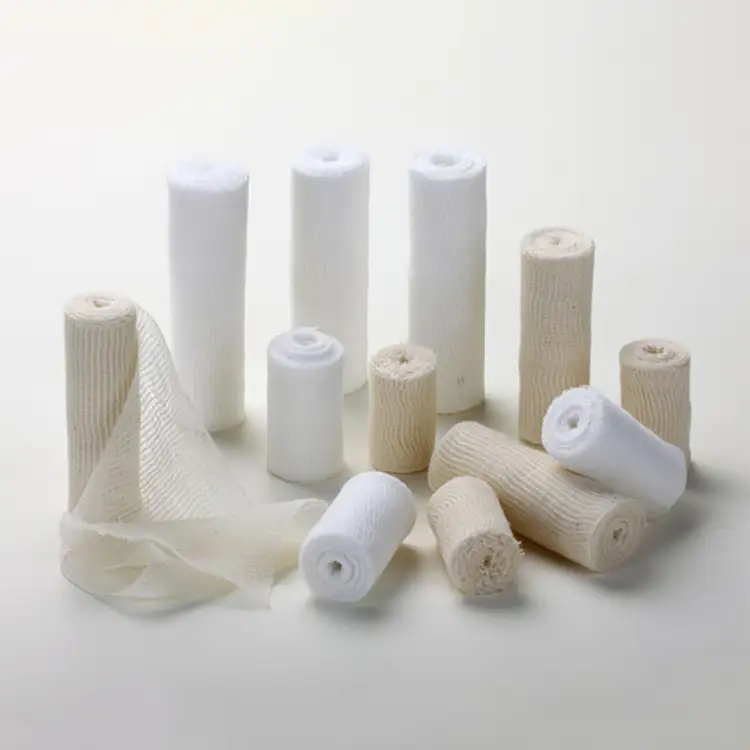
The complexity of ensuring uniform quality across large-volume gauze bandage orders stems from multiple variables including raw material sourcing, manufacturing process controls, storage conditions, and supply chain logistics. Understanding how to systematically approach batch consistency requires a comprehensive framework that addresses both technical specifications and operational procedures throughout the entire procurement lifecycle.
Understanding Batch Variability Factors in Gauze Bandage Manufacturing
Raw Material Consistency Control
The foundation of consistent gauze bandage quality begins with raw material uniformity across production batches. Cotton fiber quality variations significantly impact the final product characteristics, including absorbency rates, tensile strength, and weave density. Manufacturers must maintain strict controls over cotton grade selection, ensuring that fiber length, moisture content, and cleanliness standards remain constant throughout bulk production runs.
Yarn preparation processes also introduce potential variability points that directly affect gauze bandage performance. The spinning tension, twist rates, and bleaching procedures must follow standardized protocols to prevent batch-to-batch inconsistencies. Procurement teams should establish clear specifications for acceptable variance ranges in these manufacturing parameters, creating measurable benchmarks for supplier performance evaluation.
Chemical treatment consistency represents another critical factor in maintaining uniform gauze bandage characteristics. The bleaching, scouring, and finishing processes require precise chemical concentrations and temperature controls to ensure consistent whiteness, pH levels, and textile hand feel across different production batches.
Manufacturing Process Standardization
Weaving consistency directly impacts the structural integrity and functional performance of gauze bandage products across bulk orders. Loom settings, including warp and weft tension, pick density, and weave pattern precision, must remain calibrated within tight tolerances to prevent variations in fabric weight, porosity, and dimensional stability between production batches.
Quality control checkpoints throughout the manufacturing process serve as critical intervention points for maintaining batch consistency. These inspection stages should include in-process monitoring of fabric weight per square meter, thread count verification, and absorbency testing at regular intervals during production runs.
Post-weaving finishing processes, including heat setting, calendering, and final inspection procedures, require standardized protocols to ensure uniform appearance and performance characteristics. The timing, temperature, and pressure parameters for these finishing steps must be documented and consistently applied across all gauze bandage batches within a bulk order.
Establishing Comprehensive Quality Specification Frameworks
Technical Performance Parameters
Defining precise technical specifications for gauze bandage performance creates the foundation for consistent quality evaluation across bulk procurement batches. Absorbency rates measured in milliliters per gram provide quantifiable benchmarks for comparing batch-to-batch performance, ensuring that medical professionals receive products with predictable fluid management capabilities.
Tensile strength measurements in both machine direction and cross-direction orientations establish critical safety parameters for gauze bandage applications. These specifications should include minimum breaking strength requirements, elongation percentages, and tear resistance values that remain consistent across all batches within a procurement order.
Dimensional stability specifications ensure that gauze bandage products maintain consistent width, length, and thickness measurements throughout bulk orders. These parameters directly impact packaging efficiency, inventory management, and clinical application procedures across healthcare facilities.
Regulatory Compliance Standards
Medical device regulatory requirements impose strict consistency demands on gauze bandage manufacturing and procurement processes. FDA 21 CFR Part 820 quality system regulations mandate documented procedures for maintaining batch-to-batch consistency, including statistical process control methods and corrective action protocols for addressing quality deviations.
ISO 13485 medical device quality management system standards require comprehensive documentation of all process controls affecting gauze bandage quality consistency. This includes raw material traceability systems, manufacturing process validation records, and batch release testing protocols that ensure uniform product performance across bulk orders.
Biocompatibility testing requirements under ISO 10993 standards necessitate consistent material compositions and manufacturing processes to maintain valid test results across different production batches. Any variations in raw materials or processing methods may require additional biocompatibility evaluation, impacting procurement timelines and costs.
Implementing Supplier Quality Assurance Programs
Supplier Qualification and Auditing
Comprehensive supplier qualification programs form the cornerstone of maintaining gauze bandage quality consistency across bulk procurement orders. These programs should include detailed facility audits focusing on manufacturing process controls, quality management systems, and statistical process control capabilities that demonstrate the supplier's ability to maintain consistent output across large production runs.
Regular supplier audits should evaluate the effectiveness of batch-to-batch control systems, including sampling procedures, testing protocols, and corrective action processes. These audits provide opportunities to identify potential quality risks before they impact bulk orders and establish collaborative improvement plans with suppliers.
Supplier scorecard systems create ongoing visibility into quality performance trends, enabling procurement teams to identify suppliers who consistently demonstrate superior batch quality control. These metrics should include defect rates, delivery performance, and responsiveness to quality issues across multiple gauze bandage orders.
Batch Testing and Validation Protocols
Incoming inspection procedures for each gauze bandage batch within a bulk order should include representative sampling methods that provide statistically valid quality assessments. These testing protocols must cover all critical performance parameters, including physical properties, dimensional characteristics, and sterility assurance levels where applicable.
Pre-production sample evaluation allows procurement teams to validate supplier capability before committing to large-volume orders. These samples should undergo comprehensive testing to establish baseline quality parameters and identify any potential consistency issues before full-scale production begins.
Batch release criteria should be clearly defined and consistently applied across all gauze bandage deliveries within a procurement order. These criteria must include specific acceptance ranges for all critical quality parameters and established procedures for handling non-conforming batches.
Managing Storage and Distribution Quality Controls
Environmental Control Systems
Proper storage conditions play a crucial role in maintaining gauze bandage quality consistency throughout the supply chain from manufacturing to end-user delivery. Temperature and humidity control systems must maintain stable environmental conditions to prevent material degradation, dimensional changes, and contamination risks that could introduce quality variations between batches.
Packaging integrity monitoring ensures that gauze bandage products remain protected from environmental contamination and physical damage during storage and transportation phases. Regular inspection of packaging materials, seal integrity, and labeling accuracy helps maintain product quality and traceability across bulk orders.
First-in-first-out inventory rotation procedures prevent extended storage times that could lead to quality deterioration in older gauze bandage batches. These systems ensure consistent product freshness and performance characteristics across all items delivered from bulk procurement orders.
Distribution Chain Quality Assurance
Transportation quality controls address the various handling and environmental stresses that gauze bandage products may encounter during distribution. These controls should include temperature monitoring, shock and vibration protection, and contamination prevention measures that maintain product quality from manufacturing facility to healthcare delivery points.
Chain of custody documentation provides complete traceability for each gauze bandage batch throughout the distribution process. This documentation enables rapid identification and isolation of quality issues, minimizing the impact of any consistency problems on healthcare operations.
Delivery inspection procedures allow receiving facilities to verify that gauze bandage quality remains consistent with procurement specifications before accepting bulk orders. These procedures should include visual inspections, package integrity checks, and sampling protocols for performance verification.
Continuous Improvement and Quality Monitoring
Statistical Process Control Implementation
Statistical process control methods provide powerful tools for monitoring and maintaining gauze bandage quality consistency across bulk procurement operations. Control charts tracking critical quality parameters enable early detection of process variations before they impact large quantities of product, allowing for timely corrective actions.
Process capability studies help establish realistic specification limits and identify opportunities for quality improvement in gauze bandage manufacturing processes. These studies provide quantitative measures of supplier performance and consistency that support data-driven procurement decisions.
Trend analysis of quality data across multiple batches and suppliers reveals patterns that may indicate systemic issues or improvement opportunities. This analysis supports strategic supplier development initiatives and procurement optimization efforts.
Feedback Loop Systems
End-user feedback collection systems provide valuable insights into real-world performance variations between different gauze bandage batches. Healthcare professionals who use these products daily can identify subtle quality differences that may not be apparent through standard testing protocols.
Corrective and preventive action protocols ensure that quality issues are systematically addressed and prevented from recurring in future gauze bandage batches. These protocols should include root cause analysis procedures, supplier collaboration requirements, and verification of implemented improvements.
Regular quality review meetings between procurement teams, suppliers, and end-users create opportunities for collaborative problem-solving and continuous improvement in batch quality consistency. These meetings should focus on data-driven discussions of quality trends and improvement opportunities.
FAQ
What are the most critical quality parameters to monitor for gauze bandage batch consistency?
The most critical parameters include absorbency rate (measured in ml/g), tensile strength in both machine and cross directions, thread count per square inch, fabric weight consistency, dimensional stability, and pH levels. These parameters directly impact clinical performance and must remain within specified ranges across all batches in a bulk order to ensure consistent medical outcomes.
How often should incoming gauze bandage batches be tested during bulk procurement?
Testing frequency should follow a risk-based approach, typically requiring 100% batch testing for critical applications or when establishing new supplier relationships. For established suppliers with proven consistency records, statistical sampling of 10-15% of batches may be acceptable, provided that comprehensive pre-production samples were thoroughly validated and ongoing supplier audits confirm maintained quality systems.
What documentation is required to maintain traceability across gauze bandage batches?
Essential documentation includes batch certificates of analysis, raw material traceability records, manufacturing process control charts, incoming inspection reports, storage condition logs, and distribution chain custody records. This documentation must be maintained according to applicable medical device regulations and should enable complete product recall capability if quality issues are discovered.
How can procurement teams identify suppliers with superior batch consistency capabilities?
Evaluate suppliers based on their quality management system certifications (ISO 13485), statistical process control implementation, batch testing protocols, corrective action response times, and historical performance data across multiple orders. Conduct facility audits focusing on process standardization, equipment calibration programs, and personnel training systems that demonstrate consistent manufacturing capability for gauze bandage production.
Table of Contents
- Understanding Batch Variability Factors in Gauze Bandage Manufacturing
- Establishing Comprehensive Quality Specification Frameworks
- Implementing Supplier Quality Assurance Programs
- Managing Storage and Distribution Quality Controls
- Continuous Improvement and Quality Monitoring
-
FAQ
- What are the most critical quality parameters to monitor for gauze bandage batch consistency?
- How often should incoming gauze bandage batches be tested during bulk procurement?
- What documentation is required to maintain traceability across gauze bandage batches?
- How can procurement teams identify suppliers with superior batch consistency capabilities?