
 EN
EN

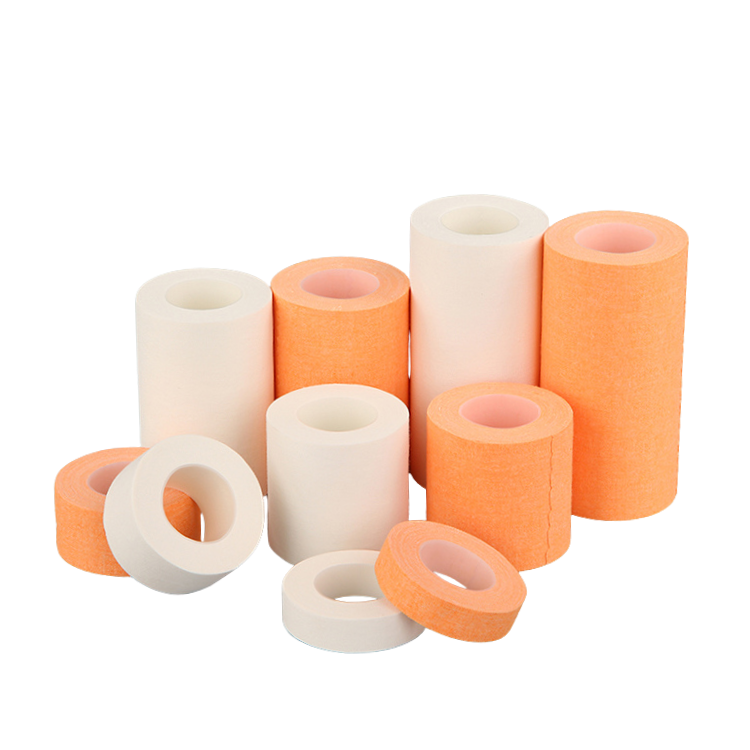
Procurement decisions for medical surgical tape involve complex considerations that directly impact patient outcomes, operational efficiency, and cost management across healthcare facilities. Healthcare procurement professionals must evaluate multiple factors when selecting between non-woven, silk, and PE-based surgical tapes, including material composition, adhesive properties, biocompatibility, and specific clinical applications. Understanding these procurement considerations ensures that medical facilities maintain adequate inventory levels while optimizing both patient care standards and budget constraints for their medical surgical tape requirements.
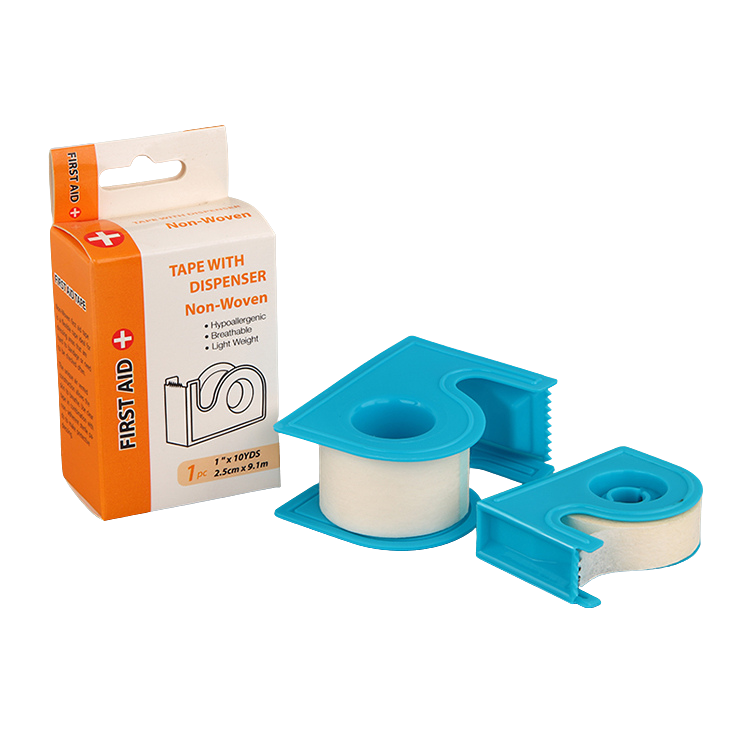
The procurement process for medical surgical tape requires systematic evaluation of material characteristics, supplier reliability, regulatory compliance, and total cost of ownership across different tape varieties. Each type of medical surgical tape presents distinct advantages and limitations that influence procurement strategies, from non-woven tapes offering superior breathability to silk tapes providing exceptional conformability for delicate skin applications. Effective procurement planning must also consider storage requirements, expiration dates, usage patterns, and standardization opportunities to maximize value while ensuring consistent availability of appropriate medical surgical tape solutions throughout the healthcare organization.
Material Composition Analysis for Procurement Planning
Non-Woven Medical Surgical Tape Characteristics
Non-woven medical surgical tape represents a significant category in healthcare procurement due to its versatile properties and cost-effectiveness for routine applications. These tapes utilize synthetic fibers that are bonded together through mechanical, chemical, or thermal processes, creating a fabric-like structure without traditional weaving. The procurement advantage of non-woven medical surgical tape lies in its consistent quality, predictable performance characteristics, and typically lower unit costs compared to natural fiber alternatives.
Procurement teams must evaluate the breathability characteristics of non-woven medical surgical tape, which allows air circulation through the material while maintaining secure adhesion. This property reduces the risk of skin maceration and improves patient comfort during extended wear periods. The moisture-wicking capabilities of non-woven materials also contribute to reduced adhesive failure rates, making these tapes suitable for applications where perspiration or wound drainage might compromise adhesion quality.
Storage considerations for non-woven medical surgical tape include temperature stability and resistance to humidity fluctuations, factors that directly impact procurement planning and inventory management. These tapes typically maintain their adhesive properties across wider temperature ranges compared to natural fiber alternatives, reducing the need for specialized storage conditions and minimizing waste from environmental degradation.
Silk Medical Surgical Tape Properties
Silk medical surgical tape presents unique procurement considerations due to its premium material properties and specialized manufacturing requirements. Natural silk fibers provide exceptional tensile strength and conformability, making these tapes ideal for applications requiring secure adhesion on curved or irregular body surfaces. The procurement decision for silk medical surgical tape often involves balancing higher unit costs against superior performance characteristics for specific clinical applications.
The hypoallergenic properties of silk medical surgical tape make it particularly valuable for pediatric applications and patients with sensitive skin conditions. Procurement professionals must consider the reduced incidence of allergic reactions and skin irritation when calculating the total cost of ownership, as these factors can significantly impact patient satisfaction scores and reduce the need for tape changes due to adverse reactions.
Silk medical surgical tape typically requires more careful storage conditions compared to synthetic alternatives, with sensitivity to extreme temperatures and humidity levels. Procurement planning must account for shorter shelf life periods and potential inventory turnover challenges, particularly in smaller healthcare facilities where usage volumes may not align with minimum order quantities from suppliers.
PE-Based Medical Surgical Tape Features
Polyethylene-based medical surgical tape offers distinct procurement advantages through its waterproof properties and chemical resistance characteristics. These tapes provide reliable barrier protection against fluids and contaminants, making them essential for surgical procedures and wound care applications where moisture management is critical. Procurement teams must evaluate the specific PE formulations and adhesive combinations to ensure compatibility with intended clinical uses.
The durability of PE-based medical surgical tape translates into longer application periods and reduced frequency of tape changes, factors that influence both procurement quantities and labor costs associated with patient care. These tapes maintain adhesive strength even when exposed to cleaning solutions and antiseptics, providing consistent performance throughout extended surgical procedures.
Procurement considerations for PE-based medical surgical tape include evaluation of environmental impact and disposal requirements, as these synthetic materials may require specific waste management protocols. Healthcare facilities must balance the clinical benefits of waterproof protection against potential sustainability concerns and disposal costs when making procurement decisions.
Supplier Evaluation and Quality Assurance Protocols
Regulatory Compliance and Certification Requirements
Procurement of medical surgical tape requires thorough verification of supplier compliance with FDA regulations, ISO standards, and other relevant healthcare quality certifications. Suppliers must demonstrate adherence to Good Manufacturing Practices and provide documentation of quality control testing for each batch of medical surgical tape produced. Procurement teams should establish clear requirements for regulatory documentation and maintain updated records of supplier certifications to ensure compliance throughout the supply chain.
The verification process for medical surgical tape suppliers should include assessment of biocompatibility testing, adhesive strength validation, and sterility assurance protocols. Suppliers must provide evidence of cytotoxicity testing, skin irritation studies, and sensitization evaluations for each type of medical surgical tape offered. This documentation becomes crucial for procurement decisions, particularly when introducing new tape varieties or switching between suppliers.
Procurement professionals must also verify that suppliers maintain appropriate liability insurance and quality assurance programs that meet healthcare industry standards. Regular supplier audits and performance evaluations help ensure consistent quality delivery and identify potential risks before they impact patient care or regulatory compliance status.
Supply Chain Reliability and Risk Management
Establishing reliable supply chains for medical surgical tape requires evaluation of supplier financial stability, manufacturing capacity, and geographic distribution capabilities. Procurement teams should assess each supplier's ability to maintain consistent delivery schedules and respond to unexpected demand increases during emergency situations or supply chain disruptions. Diversifying supplier relationships across multiple vendors helps mitigate risks associated with single-source dependencies.
Risk assessment for medical surgical tape procurement should include evaluation of raw material availability, particularly for specialized materials like silk or advanced PE formulations. Suppliers should demonstrate access to stable raw material sources and maintain appropriate buffer inventory levels to prevent delivery interruptions. Procurement agreements should include provisions for emergency supply situations and clear communication protocols for potential delivery delays.
Geographic considerations in medical surgical tape procurement include evaluation of shipping distances, customs requirements for international suppliers, and potential transportation delays during weather events or other disruptions. Establishing regional supplier relationships can reduce transportation costs and improve delivery reliability while maintaining access to specialized tape varieties that may not be available from local sources.
Cost Analysis and Budget Optimization Strategies
Total Cost of Ownership Calculations
Comprehensive cost analysis for medical surgical tape procurement extends beyond unit prices to include storage costs, waste factors, labor expenses, and patient outcome impacts. Healthcare facilities must calculate the total cost of ownership for each type of medical surgical tape, considering factors such as application time, adhesive longevity, and frequency of tape changes required during patient care.
The cost evaluation process should include assessment of indirect expenses associated with medical surgical tape usage, such as staff time required for application and removal, disposal costs, and potential costs related to adverse skin reactions or adhesive failures. Higher-quality tapes may justify premium pricing through reduced labor requirements and improved patient outcomes that translate into measurable cost savings.
Procurement teams should develop standardized cost comparison methodologies that account for different package sizes, bulk pricing opportunities, and volume commitment discounts available from medical surgical tape suppliers. Long-term contracts may offer significant cost advantages while ensuring supply security, but must be balanced against the need for flexibility in product selection and supplier relationships.
Inventory Management and Standardization Opportunities
Effective inventory management for medical surgical tape involves establishing appropriate stock levels that balance carrying costs against the risk of stockouts that could impact patient care. Procurement professionals must analyze usage patterns across different departments and clinical specialties to optimize inventory turnover while maintaining adequate safety stock levels for each type of medical surgical tape.
Standardization initiatives can significantly reduce procurement complexity and costs by limiting the variety of medical surgical tape products maintained in inventory. Healthcare facilities should evaluate opportunities to consolidate tape varieties while ensuring that clinical requirements are met across all departments. Standardization efforts must involve clinical staff input to ensure that selected products meet the diverse needs of different medical specialties.
Procurement planning should incorporate expiration date management and rotation protocols to minimize waste from expired medical surgical tape inventory. First-in-first-out inventory systems and regular inventory audits help ensure that older stock is utilized before expiration dates, reducing write-off costs and maintaining optimal inventory turnover rates.
Clinical Application Requirements and Procurement Alignment
Department-Specific Medical Surgical Tape Needs
Different clinical departments within healthcare facilities have distinct requirements for medical surgical tape that must be considered during procurement planning. Emergency departments require tapes that provide immediate secure adhesion and can withstand rapid application conditions, while surgical suites need tapes that maintain sterility and provide reliable performance throughout extended procedures. Procurement teams must understand these varied requirements to ensure appropriate product selection and inventory allocation.
Pediatric applications of medical surgical tape require special consideration for gentle adhesion and hypoallergenic properties to minimize skin trauma during removal. Procurement decisions must account for the higher cost of specialized pediatric tapes while ensuring adequate availability for children's units. The reduced usage volumes in pediatric applications may require special ordering arrangements to maintain fresh inventory without excessive carrying costs.
Intensive care units present unique challenges for medical surgical tape procurement due to the need for extended wear periods and compatibility with monitoring equipment. These applications require tapes that maintain adhesion despite frequent handling and exposure to cleaning agents while allowing for repositioning without adhesive failure. Procurement planning must ensure availability of appropriate tape varieties that meet these demanding performance requirements.
Patient Population Considerations
Procurement strategies for medical surgical tape must consider the demographic characteristics and medical conditions of the patient population served by the healthcare facility. Elderly patients often require gentler adhesives and removal techniques, influencing the selection of tape varieties with reduced adhesive strength or specialized removal properties. These considerations may justify higher costs for premium medical surgical tape products that reduce skin trauma and improve patient comfort.
Patients with compromised skin integrity, diabetes, or other conditions affecting wound healing require specialized medical surgical tape products that minimize the risk of further tissue damage. Procurement planning must ensure availability of appropriate low-trauma tapes and hypoallergenic options while balancing the higher costs of these specialized products against improved patient outcomes and reduced complication rates.
Cultural and religious considerations may influence medical surgical tape selection in diverse patient populations, particularly regarding materials used in tape construction and adhesive formulations. Procurement teams should work with clinical staff to understand these requirements and ensure appropriate product availability while maintaining cost-effectiveness across the overall tape inventory.
FAQ
What are the key factors to consider when choosing between non-woven, silk, and PE-based medical surgical tape?
The primary factors include intended clinical application, patient skin sensitivity, required wear duration, and cost considerations. Non-woven medical surgical tape offers versatility and cost-effectiveness for routine applications, silk tapes provide superior conformability for sensitive skin, and PE-based tapes deliver waterproof protection for surgical procedures. Procurement decisions should align tape selection with specific clinical needs while considering total cost of ownership including application time, durability, and patient outcomes.
How should healthcare facilities manage inventory levels for different types of medical surgical tape?
Healthcare facilities should establish inventory levels based on usage patterns, lead times, and clinical requirements for each type of medical surgical tape. Implement standardized reorder points and safety stock levels while considering expiration dates and storage requirements. Regular usage analysis helps optimize inventory turnover and reduce carrying costs while ensuring adequate availability across all clinical departments. Consider implementing automated inventory management systems to track usage patterns and predict future requirements.
What quality assurance measures should be implemented for medical surgical tape procurement?
Quality assurance for medical surgical tape procurement should include verification of supplier certifications, batch testing documentation, and adherence to FDA regulations and ISO standards. Establish incoming inspection protocols to verify product integrity and adhesive performance before distribution. Maintain traceability records for each batch of medical surgical tape and implement feedback systems to monitor clinical performance and identify any quality issues. Regular supplier audits and performance evaluations ensure continued compliance with quality standards.
How can healthcare facilities balance cost optimization with clinical performance requirements for medical surgical tape?
Balance cost optimization with clinical performance by conducting comprehensive total cost of ownership analyses that include direct purchase costs, application labor, patient outcomes, and waste factors. Implement standardization programs to reduce inventory complexity while ensuring clinical needs are met. Consider long-term supplier contracts for volume discounts while maintaining flexibility for specialized requirements. Regular clinical feedback and outcome monitoring help justify premium pricing for high-performance medical surgical tape when clinical benefits outweigh additional costs.
Table of Contents
- Material Composition Analysis for Procurement Planning
- Supplier Evaluation and Quality Assurance Protocols
- Cost Analysis and Budget Optimization Strategies
- Clinical Application Requirements and Procurement Alignment
-
FAQ
- What are the key factors to consider when choosing between non-woven, silk, and PE-based medical surgical tape?
- How should healthcare facilities manage inventory levels for different types of medical surgical tape?
- What quality assurance measures should be implemented for medical surgical tape procurement?
- How can healthcare facilities balance cost optimization with clinical performance requirements for medical surgical tape?