
 EN
EN

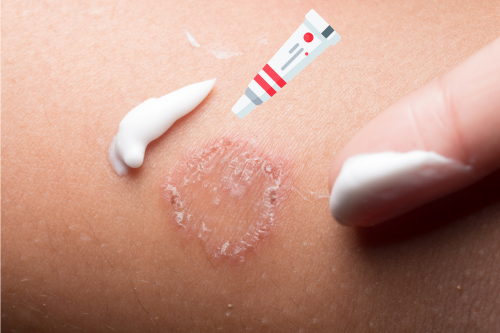
Good Manufacturing Practice (GMP) production environment and microbial limit control requirements for topical antifungal creams represent critical regulatory and quality assurance frameworks that ensure product safety, efficacy, and compliance. The manufacturing of miconazole cream and other topical antifungal formulations requires stringent environmental controls, contamination prevention protocols, and microbial monitoring systems that align with pharmaceutical industry standards. These requirements encompass facility design specifications, air quality parameters, personnel hygiene protocols, equipment sterilization procedures, and comprehensive microbial testing regimens that collectively safeguard product integrity throughout the manufacturing process.
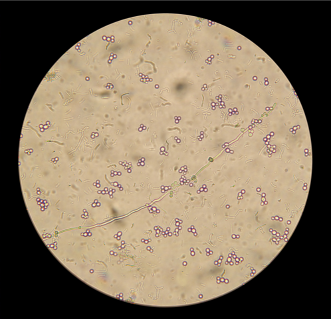
The complexity of GMP requirements for miconazole cream production stems from the unique challenges associated with topical pharmaceutical manufacturing, where product contamination risks must be minimized while maintaining consistent therapeutic potency and stability. Regulatory agencies including the FDA, EMA, and other international bodies have established specific guidelines that address facility classification, environmental monitoring protocols, microbial limit specifications, and validation procedures that manufacturers must implement to ensure compliance. Understanding these requirements is essential for pharmaceutical companies seeking to establish or maintain production capabilities for antifungal topical formulations while meeting quality standards and regulatory expectations.
Environmental Classification and Facility Design Requirements
Cleanroom Classification Standards for Topical Cream Production
GMP facilities for miconazole cream manufacturing must maintain specific cleanroom classifications that correspond to the level of microbial and particulate control required for topical pharmaceutical products. ISO 14644 and EU GMP Annex 1 guidelines establish that topical cream production typically requires Grade C or Class 100,000 environments for primary manufacturing areas, with Grade D or Class 100,000 support areas for material preparation and secondary operations. These classifications mandate specific airborne particle limits, air change rates, and pressure differentials that create controlled environments suitable for pharmaceutical manufacturing.
The facility design must incorporate proper air handling systems with HEPA filtration, maintaining positive pressure differentials between adjacent areas to prevent contamination ingress. Manufacturing areas for miconazole cream require temperature control typically between 18-25°C and relative humidity levels maintained below 60% to prevent microbial growth and ensure product stability. Surfaces must be constructed from non-shedding, easily cleanable materials such as stainless steel or validated polymer composites that resist chemical sanitizers and cleaning agents used in pharmaceutical manufacturing.
Air Quality Management and Monitoring Systems
Continuous air quality monitoring represents a fundamental requirement for GMP production of miconazole cream, encompassing both viable and non-viable particle monitoring throughout manufacturing operations. Environmental monitoring programs must include regular sampling of airborne microorganisms using active air samplers, settle plates, and contact plates to verify that microbial levels remain within specified limits. The monitoring frequency typically requires continuous particle counting during production activities, with microbial sampling conducted according to predetermined schedules based on risk assessment and facility qualification protocols.
Alert and action limits must be established for both particle counts and microbial recovery levels, with specific procedures for investigation and corrective action when limits are exceeded. For miconazole cream production areas, typical microbial action limits range from 100-200 CFU/m³ for Grade C areas during operation, with lower limits required for critical processing zones. Trend analysis of environmental monitoring data provides early warning indicators of potential contamination issues and supports continuous improvement of environmental control systems.
Microbial Limit Specifications and Testing Requirements
Pharmacopeial Standards for Topical Antifungal Products
Microbial limit testing for miconazole cream must comply with pharmacopeial standards established by USP, EP, and other recognized compendia, which specify acceptable levels of microbial contamination in topical pharmaceutical products. These standards typically require total aerobic microbial count not exceeding 100 CFU/g, total combined yeasts and molds not exceeding 10 CFU/g, and absence of specified pathogenic microorganisms including Staphylococcus aureus, Pseudomonas aeruginosa, Escherichia coli, and Candida albicans. The testing protocols must follow validated analytical methods that ensure accurate detection and quantification of microbial contaminants.
Special considerations for antifungal formulations like miconazole cream include potential interference from the active pharmaceutical ingredient with microbial recovery during testing procedures. Method validation studies must demonstrate that the antifungal activity does not inhibit the detection of naturally occurring contaminants, often requiring neutralization techniques or sample dilution protocols that overcome antimicrobial effects while maintaining test sensitivity. These validation requirements ensure that microbial limit testing provides reliable results despite the inherent antimicrobial properties of the product matrix.
Raw Material and Component Testing Protocols
Comprehensive microbial testing extends beyond finished product evaluation to encompass all raw materials, excipients, and packaging components used in miconazole cream production. Each incoming material must undergo microbial limit testing according to established specifications that consider the material's intended use, processing conditions, and potential impact on final product quality. Water systems used in manufacturing require continuous monitoring for microbial contamination, with action limits typically set at 10 CFU/100ml for purified water and 1 CFU/100ml for water for injection when used in processing.
Packaging materials including tubes, caps, and labels must meet specific microbial cleanliness standards, particularly for primary packaging that contacts the product directly. Testing protocols may include bioburden evaluation, sterility testing for sterilized components, and environmental monitoring of packaging areas to ensure that contamination is not introduced during the packaging process. Certificate of analysis requirements for suppliers must specify microbial test methods, acceptance criteria, and testing frequencies that align with pharmaceutical quality standards.
Sterilization and Sanitization Procedures
Equipment Sterilization and Cleaning Validation
Manufacturing equipment used in miconazole cream production requires validated cleaning and sterilization procedures that eliminate microbial contamination while preventing cross-contamination between product batches. Steam sterilization represents the preferred method for heat-stable equipment, with validated cycles typically employing temperatures of 121°C for 15-20 minutes or equivalent validated time-temperature combinations. Chemical sterilization using validated sanitizing agents may be required for heat-sensitive equipment components, with procedures that include contact time validation, neutralization studies, and residue removal protocols.
Cleaning validation studies must demonstrate the effectiveness of cleaning procedures in removing both chemical and microbial residues from equipment surfaces. These studies typically include worst-case scenarios, analytical method validation for residue detection, and establishment of acceptable cleanliness limits based on toxicological and microbiological considerations. Documentation requirements include detailed cleaning procedures, validation protocols, ongoing monitoring programs, and change control procedures for any modifications to cleaning or sterilization processes.
Personnel Hygiene and Gowning Protocols
Personnel represent a significant potential source of microbial contamination in miconazole cream manufacturing facilities, requiring comprehensive hygiene and gowning protocols that minimize contamination risks. Training programs must cover proper hand washing techniques, gowning procedures, movement patterns within controlled areas, and behavioral practices that support contamination control. Gowning materials must be validated for filtration efficiency, durability, and compatibility with cleaning and sterilization procedures used in the facility.
Personnel monitoring programs typically include periodic surface sampling of gloves and gowns, environmental monitoring in areas where personnel work, and health monitoring to identify potential sources of pathogenic contamination. Exclusion criteria must be established for personnel with communicable diseases, open wounds, or other conditions that could compromise product quality. Regular retraining and qualification assessments ensure that personnel maintain appropriate knowledge and skills for working in controlled manufacturing environments.
Environmental Monitoring and Contamination Control
Monitoring Program Design and Implementation
Comprehensive environmental monitoring programs for miconazole cream production facilities must incorporate risk-based sampling strategies that focus on areas with highest contamination potential and greatest impact on product quality. Sampling locations should include air sampling points near critical processing equipment, surface sampling of frequently touched areas, and personnel monitoring zones where operators interact with the manufacturing process. The monitoring program design must consider facility layout, process flow, equipment configuration, and historical contamination patterns to optimize detection of potential quality issues.
Data management systems must provide real-time monitoring capabilities, trend analysis, and automated alert generation when environmental conditions exceed established limits. Integration with facility automation systems enables correlation of environmental excursions with specific manufacturing activities, equipment operations, or personnel movements that may contribute to contamination events. Regular program reviews and updates ensure that monitoring strategies remain effective as manufacturing processes, facility configurations, or regulatory requirements evolve.
Corrective Action and Prevention Strategies
When environmental monitoring results indicate potential contamination issues during miconazole cream production, immediate corrective actions must be implemented to prevent product quality impact and identify root causes of the deviation. Investigation procedures should include expanded sampling, equipment inspection, process review, and personnel evaluation to determine contamination sources and implement appropriate corrective measures. Documentation requirements include detailed investigation reports, corrective action plans, effectiveness verification, and preventive measures to reduce recurrence probability.
Preventive strategies may include enhanced cleaning frequencies, modified personnel procedures, equipment maintenance improvements, or facility design modifications that address identified contamination risks. Regular management review of environmental monitoring data, contamination events, and corrective action effectiveness supports continuous improvement of contamination control systems and ensures that quality standards are consistently maintained throughout manufacturing operations.
Regulatory Compliance and Documentation Requirements
Documentation Systems and Record Management
GMP compliance for miconazole cream production requires comprehensive documentation systems that capture all aspects of environmental control, microbial monitoring, and contamination prevention activities. Master documentation must include standard operating procedures, specifications, protocols, and work instructions that define acceptable practices and performance criteria. Batch records must document environmental conditions, monitoring results, deviations, and corrective actions taken during each production campaign to demonstrate compliance with established requirements.
Electronic record systems must meet 21 CFR Part 11 requirements for electronic signatures, audit trails, and data integrity protection when used in regulated pharmaceutical manufacturing. Document control procedures must ensure that current versions of procedures are available to personnel, obsolete documents are removed from use, and changes are implemented through validated change control processes. Regular internal audits and management reviews verify that documentation systems remain effective and compliant with regulatory expectations.
Regulatory Inspection Preparation and Response
Pharmaceutical manufacturers producing miconazole cream must maintain inspection readiness through regular self-assessments, mock inspections, and compliance verification activities that identify potential deficiencies before regulatory inspections occur. Inspection preparation includes document organization, personnel training on inspection procedures, and facility maintenance to ensure that physical conditions demonstrate appropriate contamination control measures. Response procedures must be established for inspector requests, including data retrieval, expert availability, and communication protocols that facilitate thorough regulatory review.
Post-inspection activities may include response to observations, corrective action implementation, and follow-up communications with regulatory agencies to demonstrate compliance restoration. Continuous improvement processes should incorporate inspection findings, industry best practices, and regulatory guidance updates to enhance contamination control systems and maintain current compliance status. Regular legal and regulatory consultation ensures that interpretation of requirements remains current with evolving regulatory expectations.
FAQ
What are the typical microbial limits for miconazole cream under GMP requirements?
Miconazole cream typically must meet microbial limits of no more than 100 CFU/g total aerobic microorganisms, no more than 10 CFU/g total yeasts and molds, and must be free from specified pathogenic organisms including Staphylococcus aureus, Pseudomonas aeruginosa, Escherichia coli, and Candida albicans according to pharmacopeial standards.
Which cleanroom classification is required for topical antifungal cream manufacturing?
Topical antifungal cream manufacturing typically requires ISO 14644 Class 8 (Grade C) or better cleanroom environments for primary manufacturing areas, with appropriate pressure cascades and environmental monitoring to maintain controlled conditions throughout the production process.
How frequently should environmental monitoring be conducted in miconazole cream production areas?
Environmental monitoring frequency depends on risk assessment and facility qualification, but typically includes continuous particle monitoring during production, daily viable air sampling in critical areas, and weekly surface monitoring of equipment and facility surfaces, with increased frequency during initial qualification and following any contamination events.
What sterilization methods are acceptable for equipment used in miconazole cream manufacturing?
Acceptable sterilization methods include steam sterilization at 121°C for validated time periods for heat-stable equipment, chemical sterilization using validated sanitizing agents for heat-sensitive components, and dry heat sterilization where appropriate, all requiring validation studies to demonstrate effectiveness against relevant microorganisms.
Table of Contents
- Environmental Classification and Facility Design Requirements
- Microbial Limit Specifications and Testing Requirements
- Sterilization and Sanitization Procedures
- Environmental Monitoring and Contamination Control
- Regulatory Compliance and Documentation Requirements
-
FAQ
- What are the typical microbial limits for miconazole cream under GMP requirements?
- Which cleanroom classification is required for topical antifungal cream manufacturing?
- How frequently should environmental monitoring be conducted in miconazole cream production areas?
- What sterilization methods are acceptable for equipment used in miconazole cream manufacturing?