
 EN
EN

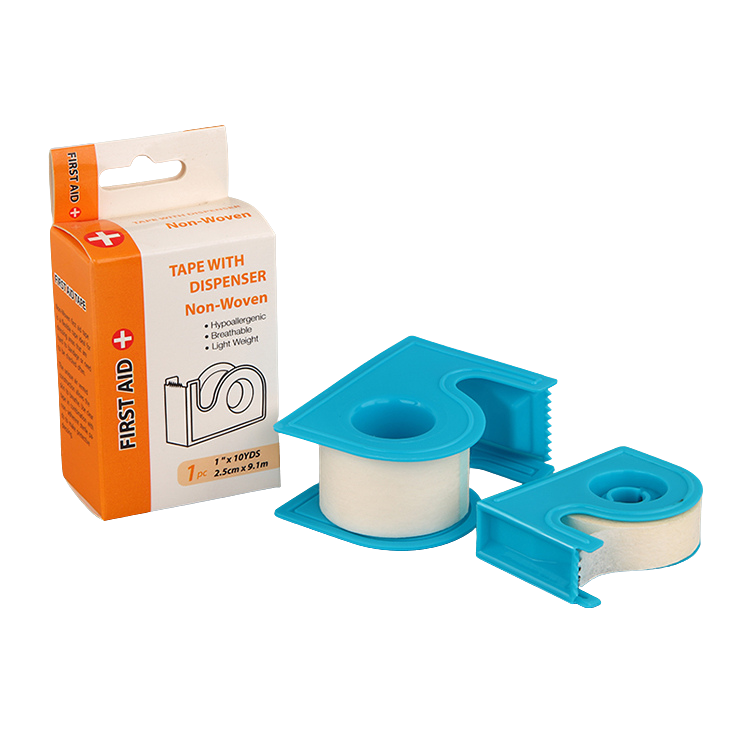
Balancing breathability and adhesion in medical surgical tape represents one of the most critical challenges in medical device design. Healthcare professionals need tapes that maintain secure attachment to skin while allowing adequate air circulation to prevent moisture buildup and skin irritation. This delicate equilibrium requires understanding the complex interplay between adhesive formulations, backing materials, and skin physiology.
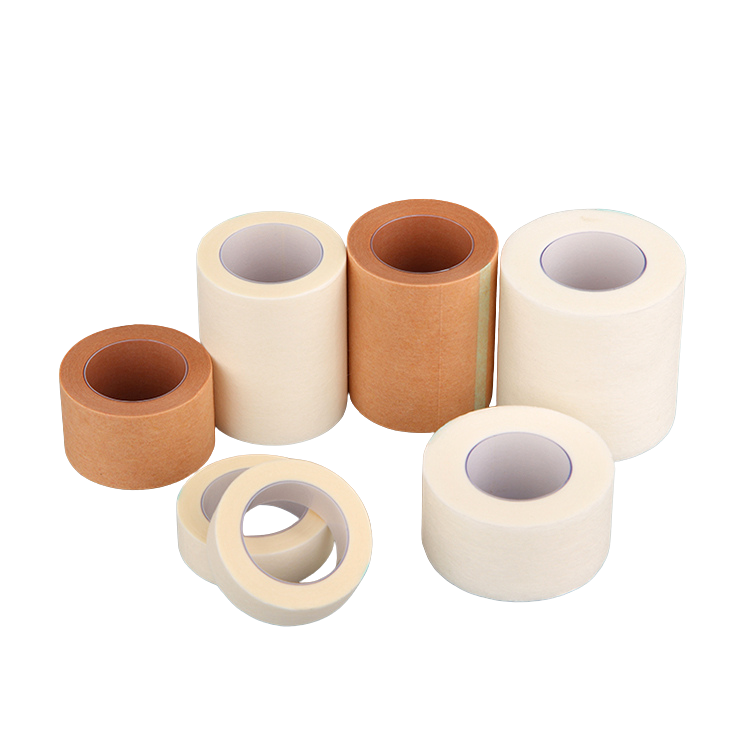
The science behind achieving optimal medical surgical tape performance involves sophisticated material engineering and precise manufacturing processes. Modern healthcare applications demand tapes that prevent device displacement while minimizing trauma during removal, creating a complex design challenge that manufacturers address through innovative backing structures and adhesive chemistry modifications.
Understanding the Fundamentals of Tape Adhesion and Breathability
The Physics of Adhesive Bonding in Medical Applications
Medical surgical tape adhesion relies on van der Waals forces and mechanical interlocking between the adhesive polymer chains and skin surface irregularities. The adhesive must flow into microscopic valleys and pores on the skin surface to create intimate contact while maintaining enough cohesive strength to resist shear forces. Temperature, humidity, and skin moisture levels significantly impact this bonding process, making consistency a primary concern in clinical environments.
Pressure-sensitive adhesives used in medical surgical tape typically consist of tackifiers, base polymers, and crosslinking agents that determine the final adhesive properties. The molecular weight distribution of these polymers directly influences both initial tack and long-term holding power. Higher molecular weight polymers generally provide better cohesive strength, while lower molecular weight components contribute to initial adhesion and conformability.
The balance between these adhesive characteristics becomes crucial when considering patient comfort and clinical efficacy. Medical surgical tape must maintain secure attachment during patient movement, bathing, and routine care activities while avoiding excessive adhesion that could damage fragile skin during removal.
Mechanisms of Vapor Transmission in Medical Tapes
Breathability in medical surgical tape occurs through vapor transmission, where water molecules pass through the backing material via diffusion. This process depends on the material's molecular structure, thickness, and porosity. Nonwoven backing materials typically offer superior breathability compared to plastic films because their fiber structure creates natural pathways for vapor transmission.
The moisture vapor transmission rate measures how effectively a medical surgical tape allows perspiration and wound exudate to escape. Higher transmission rates generally correlate with improved patient comfort and reduced risk of skin maceration. However, excessive vapor transmission can compromise adhesive performance by allowing moisture to accumulate at the adhesive interface.
Temperature and humidity gradients drive vapor transmission through medical surgical tape, creating a natural pumping effect that helps maintain skin dryness. Understanding these gradients allows manufacturers to optimize backing material selection and adhesive formulation for specific clinical applications and environmental conditions.
Material Selection Strategies for Optimal Performance Balance
Backing Material Engineering Approaches
Nonwoven backing materials represent the most common solution for achieving balanced performance in medical surgical tape applications. These materials combine polypropylene, polyethylene, or rayon fibers in various configurations to create controlled porosity and flexibility. The fiber orientation, bond strength, and density directly influence both breathability and mechanical properties of the final tape product.
Microporous film technologies offer alternative approaches to breathability in medical surgical tape design. These films contain microscopic pores that allow vapor transmission while blocking liquid penetration. The pore size distribution must be carefully controlled to prevent adhesive strike-through while maintaining adequate vapor transmission rates.
Composite backing structures combine multiple material layers to optimize specific performance characteristics. For example, a medical surgical tape might feature a nonwoven outer layer for breathability, a barrier film for liquid resistance, and a conformable inner layer for patient comfort. These multi-layer constructions allow precise tuning of vapor transmission and adhesive performance.
Adhesive Chemistry Modifications for Enhanced Balance
Silicone-based adhesives offer unique advantages for medical surgical tape applications requiring gentle adhesion with maintained breathability. These adhesives typically provide lower initial tack but maintain consistent performance over extended wear periods. The silicone polymer structure naturally resists moisture absorption, helping preserve adhesive integrity in high-humidity environments.
Acrylic adhesive systems allow greater formulation flexibility in medical surgical tape design. By adjusting the ratio of hard and soft acrylic monomers, manufacturers can tune adhesive properties from aggressive initial tack to repositionable gentle adhesion. Cross-linking density modifications further influence moisture resistance and long-term holding power.
Hydrocolloid adhesive technologies integrate absorbent particles within the adhesive matrix to manage moisture while maintaining adhesion. These systems work particularly well in medical surgical tape applications where wound exudate or perspiration management is critical. The hydrocolloid particles swell when exposed to moisture, creating a gel-like barrier that protects surrounding skin.
Design Considerations for Specific Clinical Applications
Wound Care and Dressing Securement Requirements
Medical surgical tape used for wound dressing securement must accommodate changing wound conditions while maintaining sterile barriers. The breathability requirements vary significantly based on wound type, location, and healing stage. Exuding wounds require higher vapor transmission rates to prevent maceration, while dry wounds may prioritize adhesive longevity over breathability.
The mechanical stress patterns around wound sites influence medical surgical tape design requirements. Areas subject to frequent movement, such as joints, require more conformable backing materials and flexible adhesive systems. The tape must stretch and recover with skin movement while maintaining secure attachment to dressing materials.
Infection control considerations impact both breathability and adhesive formulation in wound care applications. The medical surgical tape must create an effective barrier against external contaminants while allowing beneficial vapor exchange. This requires careful balance between porosity and barrier properties in the backing material selection.
Device Securement and Catheter Fixation Needs
Medical devices secured with surgical tape present unique challenges for balancing breathability and adhesion. Intravenous catheters, feeding tubes, and monitoring devices require consistent securement forces while allowing skin respiration beneath the tape. The attachment points typically experience higher mechanical stress than surrounding areas, requiring graduated adhesive strength distribution.
Long-term device securement applications place premium emphasis on skin health preservation. Medical surgical tape used for extended periods must prevent moisture accumulation that could lead to skin breakdown or device-related infections. Advanced backing materials incorporate antimicrobial agents or moisture-wicking fibers to address these concerns.
The removal characteristics of medical surgical tape become critical in device securement applications. Healthcare providers must be able to reposition or replace devices without causing skin trauma. This requires adhesive systems that maintain holding power during normal use but release cleanly when deliberate removal forces are applied.
Testing and Validation Methods for Performance Optimization
Laboratory Testing Protocols for Adhesion Measurement
Standardized adhesion testing for medical surgical tape typically follows ASTM D3330 protocols, which measure peel strength under controlled conditions. These tests evaluate both initial adhesion and adhesion buildup over time, providing quantitative data for comparing different tape formulations. However, laboratory conditions may not fully replicate the complex environment of clinical use.
Shear adhesion testing measures the ability of medical surgical tape to resist sliding forces parallel to the adhesive bond. This property becomes particularly important in device securement applications where mechanical stress occurs in multiple directions. The test duration and loading conditions must reflect actual clinical use patterns to provide meaningful results.
Dynamic adhesion testing protocols evaluate medical surgical tape performance under cyclic loading conditions that simulate patient movement and device manipulation. These tests often reveal adhesive fatigue characteristics that static testing methods cannot detect, providing valuable insight into long-term clinical performance.
Breathability Assessment Techniques
Moisture vapor transmission rate testing measures the breathability of medical surgical tape under standardized temperature and humidity conditions. The ASTM E96 standard provides established protocols for these measurements, though healthcare-specific modifications may be necessary to reflect body temperature and humidity conditions.
In-vitro skin models allow evaluation of medical surgical tape breathability under conditions that more closely approximate clinical use. These models incorporate synthetic skin materials with controlled porosity and moisture characteristics, enabling more realistic assessment of vapor transmission performance in healthcare applications.
Real-time vapor flux monitoring provides dynamic assessment of medical surgical tape breathability during simulated wear conditions. These measurement systems track vapor transmission rates as temperature, humidity, and mechanical stress conditions change, offering detailed insight into performance variations during actual use.
Clinical Implementation and User Considerations
Healthcare Provider Training and Application Techniques
Proper application technique significantly influences the balance between breathability and adhesion in medical surgical tape performance. Healthcare providers must understand how surface preparation, application pressure, and smoothing techniques affect both immediate and long-term tape behavior. Inadequate surface preparation can compromise both adhesion and breathability by trapping contaminants or creating air pockets.
The timing of medical surgical tape application relative to skin preparation procedures impacts performance characteristics. Allowing adequate drying time after skin cleansing ensures optimal adhesive contact while preventing moisture entrapment that could compromise breathability. Healthcare training programs should emphasize these application variables as critical factors in clinical outcomes.
Inspection and monitoring protocols help healthcare providers assess the ongoing performance of medical surgical tape applications. Visual indicators of compromised breathability include skin discoloration, moisture accumulation, or adhesive failure patterns. Regular assessment allows timely replacement before skin complications develop.
Patient Comfort and Compliance Factors
Patient perception of medical surgical tape comfort directly correlates with compliance in both inpatient and home healthcare settings. Tapes with poor breathability often cause itching, sweating, and skin irritation that prompt premature removal or tampering. Balanced tape formulations that maintain skin comfort encourage better adherence to treatment protocols.
The sensory characteristics of medical surgical tape, including texture, flexibility, and thickness, influence patient acceptance. Breathable backing materials often provide softer tactile properties that patients find more comfortable during extended wear periods. However, these comfort benefits must not compromise the secure attachment necessary for clinical efficacy.
Patient education regarding proper care of medical surgical tape applications helps maintain the intended balance between breathability and adhesion. Patients should understand the importance of keeping tape dry when possible, avoiding excessive manipulation, and recognizing signs that warrant professional assessment or tape replacement.
FAQ
What causes medical surgical tape to lose adhesion while maintaining breathability?
Medical surgical tape adhesion failure typically occurs when moisture accumulates at the skin-adhesive interface, disrupting the molecular bonding forces. This happens when the vapor transmission rate of the backing material cannot keep pace with moisture generation from skin perspiration or wound exudate. The adhesive may remain chemically intact while losing physical contact with the skin surface, resulting in edge lifting or complete detachment despite maintained breathability properties.
How do environmental conditions affect the breathability-adhesion balance in medical surgical tape?
Temperature and humidity changes significantly impact both breathability and adhesion characteristics of medical surgical tape. Higher temperatures increase vapor transmission rates through backing materials while potentially softening adhesives, which can improve conformability but reduce holding strength. High humidity environments reduce the vapor pressure differential that drives moisture transmission, potentially leading to moisture accumulation beneath the tape. Cold conditions may stiffen both backing materials and adhesives, reducing conformability and breathability while potentially increasing adhesive bond strength.
Why do some medical surgical tapes perform differently on various skin types?
Skin surface characteristics, including texture, oil content, hair density, and moisture levels, directly influence medical surgical tape performance. Oily or moist skin surfaces can interfere with adhesive bonding while creating additional vapor load that challenges breathability. Elderly patients often have more fragile skin that requires gentler adhesion, while their reduced skin elasticity may compromise tape conformability. Patients with medical conditions affecting skin barrier function may experience altered vapor transmission patterns that affect the balance between breathability and adhesion.
What are the key indicators that medical surgical tape breathability is inadequate for a specific application?
Inadequate breathability in medical surgical tape applications typically manifests as skin maceration, characterized by whitish, softened skin appearance beneath the tape. Patients may report itching, burning sensations, or excessive sweating in the taped area. Visual signs include moisture droplets on the tape surface, adhesive failure patterns starting from high-moisture areas, and skin redness or irritation extending beyond the tape borders. In wound care applications, inadequate breathability may contribute to delayed healing, increased exudate production, or secondary skin breakdown around the wound margins.
Table of Contents
- Understanding the Fundamentals of Tape Adhesion and Breathability
- Material Selection Strategies for Optimal Performance Balance
- Design Considerations for Specific Clinical Applications
- Testing and Validation Methods for Performance Optimization
- Clinical Implementation and User Considerations
-
FAQ
- What causes medical surgical tape to lose adhesion while maintaining breathability?
- How do environmental conditions affect the breathability-adhesion balance in medical surgical tape?
- Why do some medical surgical tapes perform differently on various skin types?
- What are the key indicators that medical surgical tape breathability is inadequate for a specific application?