
 EN
EN


Sourcing gauze bandages for overseas medical aid projects requires a strategic approach that balances speed, cost-effectiveness, and quality standards. Medical aid organizations face unique challenges when procuring essential supplies like gauze bandages, including tight deadlines, budget constraints, and varying international shipping requirements. The success of humanitarian missions often depends on establishing reliable procurement channels that can deliver high-quality medical supplies quickly and affordably to remote or crisis-affected regions.
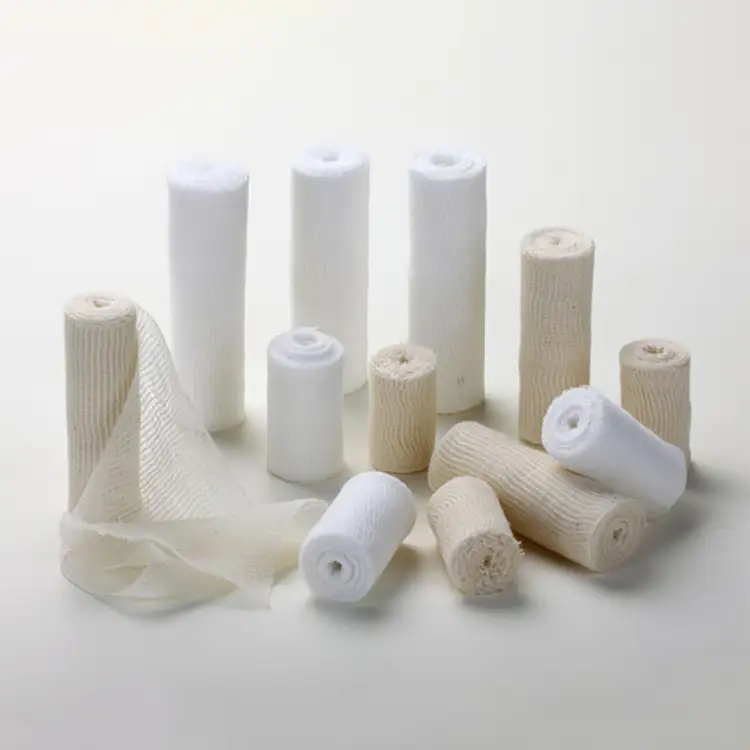
The complexity of international medical aid procurement extends beyond simple purchasing decisions. Organizations must navigate regulatory requirements, ensure product compliance with destination country standards, and coordinate logistics across multiple time zones. Understanding the specific requirements for gauze bandage procurement in humanitarian contexts enables aid organizations to develop efficient sourcing strategies that maximize their impact while minimizing operational costs and delivery timeframes.
Understanding Gauze Bandage Requirements for Medical Aid Projects
Quality Standards and Certification Requirements
Medical aid projects demand gauze bandages that meet stringent quality standards to ensure patient safety and treatment effectiveness. International humanitarian organizations typically require supplies that comply with WHO prequalification standards or equivalent certifications from recognized regulatory bodies. The gauze bandage must demonstrate appropriate sterility levels, tensile strength, and absorbency characteristics suitable for diverse medical applications in field conditions.
Certification documentation becomes crucial when sourcing gauze bandages for international deployment. Suppliers should provide ISO 13485 certification, CE marking for European destinations, or FDA registration for projects involving US-based organizations. These certifications not only ensure product quality but also facilitate customs clearance and regulatory approval in destination countries, reducing potential delays that could impact mission timelines.
The packaging and labeling requirements for gauze bandages in medical aid contexts often differ from standard commercial applications. Individual sterile packaging, multi-language labeling, and extended shelf life specifications are essential considerations. Organizations should verify that suppliers can provide gauze bandages with minimum two-year expiration dates to accommodate potential storage periods and distribution challenges in remote locations.
Quantity Planning and Specification Development
Accurate quantity estimation requires understanding the scope and duration of medical aid projects, anticipated patient volumes, and local medical infrastructure capabilities. A comprehensive gauze bandage procurement plan should account for primary wound care needs, emergency trauma responses, and routine medical procedures. Experienced aid organizations typically calculate requirements based on historical usage data, project demographics, and regional disease patterns.
Specification development must consider the diverse applications of gauze bandages in humanitarian settings. Projects may require various sizes, from narrow strips for digit dressing to wide rolls for larger wound coverage. The gauze bandage specifications should include details about fabric composition, weave density, edge finishing, and sterility maintenance requirements. Clear specifications enable suppliers to provide accurate quotes and ensure delivered products meet operational needs.
Buffer stock planning becomes critical given the unpredictable nature of humanitarian crises and supply chain disruptions. Organizations should incorporate contingency quantities into their gauze bandage procurement plans, typically adding 15-25% above calculated requirements to account for unexpected demand or delivery delays. This approach ensures continuity of medical services without excessive inventory carrying costs.
Identifying Cost-Effective Supplier Networks
Direct Manufacturer Partnerships
Establishing direct relationships with gauze bandage manufacturers offers significant cost advantages for large-volume medical aid procurement. Manufacturing partners can provide competitive pricing through elimination of intermediary markups while offering greater flexibility in customization and delivery scheduling. Direct partnerships also enable better quality control oversight and more responsive communication regarding product specifications or urgent requirements.
Geographic proximity to manufacturing facilities can substantially reduce shipping costs and delivery timeframes for gauze bandage procurement. Organizations should identify manufacturers in regions with established medical textile industries, such as South Asia, Eastern Europe, or specialized manufacturing zones in developing countries. Regional sourcing strategies can reduce logistics costs by 30-50% compared to transcontinental shipping while supporting local economic development objectives.
Manufacturer assessment should evaluate production capacity, quality management systems, and previous experience with humanitarian organizations. Reliable gauze bandage suppliers typically maintain consistent production schedules, demonstrate flexibility in order modifications, and provide transparent communication about manufacturing timelines and potential constraints.
Specialized Medical Aid Distributors
Medical aid distributors specializing in humanitarian supplies offer advantages in consolidation, documentation, and regulatory compliance that can offset their margin premiums. These distributors typically maintain pre-positioned inventory of gauze bandages and other essential medical supplies, enabling rapid response to urgent procurement requests. Their expertise in international shipping regulations and customs procedures can significantly reduce administrative burden on aid organizations.
Distributor networks often provide value-added services such as repackaging, custom labeling, and mixed-product shipments that simplify logistics management. Organizations can source gauze bandages alongside other medical supplies in consolidated shipments, reducing per-unit shipping costs and simplifying receiving procedures at destination facilities. This approach proves particularly beneficial for smaller aid organizations lacking dedicated procurement expertise.
Establishing framework agreements with specialized distributors creates opportunities for preferential pricing and priority allocation during supply shortages. Many humanitarian-focused distributors offer tiered pricing structures based on annual purchase volumes, providing cost reduction incentives for organizations with regular gauze bandage requirements across multiple projects.
Streamlining Procurement Processes and Documentation
Request for Proposal Development
Effective gauze bandage procurement begins with comprehensive Request for Proposal documentation that clearly communicates technical specifications, delivery requirements, and evaluation criteria. Well-structured RFPs enable suppliers to provide accurate quotations while reducing the need for clarifications and revisions that can delay procurement timelines. Organizations should include detailed product specifications, quality standards, packaging requirements, and delivery schedules in their RFP documentation.
Evaluation criteria should balance cost considerations with quality, delivery reliability, and supplier capability factors. A weighted scoring system helps objectify supplier selection while ensuring that gauze bandage procurement decisions align with project objectives and organizational policies. Typical evaluation weightings might allocate 40% to cost factors, 30% to quality and compliance, 20% to delivery capability, and 10% to supplier experience with humanitarian projects.
Timeline management requires realistic expectations about supplier response periods, sample evaluation timeframes, and contract negotiation processes. Organizations should allow minimum two weeks for supplier responses, additional time for technical evaluation, and contingency periods for negotiations. Compressed timelines often result in limited supplier participation or inadequate evaluation, potentially compromising gauze bandage quality or cost-effectiveness.
Quality Assurance and Sampling Protocols
Pre-shipment quality verification becomes essential when sourcing gauze bandages from new suppliers or for critical medical aid missions. Sampling protocols should specify testing requirements for sterility, tensile strength, absorbency, and packaging integrity. Third-party testing facilities in supplier regions can provide independent verification while minimizing delays associated with international sample shipments.
Documentation requirements for gauze bandage shipments must satisfy both organizational policies and destination country regulations. Essential documentation includes certificates of analysis, sterility certifications, manufacturing compliance statements, and detailed packing lists. Organizations should establish standard documentation templates and communicate requirements clearly to suppliers to avoid customs delays or regulatory complications.
Batch tracking and traceability systems enable effective inventory management and quality issue resolution throughout the supply chain. Gauze bandage shipments should include batch identification numbers, manufacturing dates, and expiration information to facilitate rotation protocols and recall procedures if necessary. Digital documentation systems can streamline tracking while providing audit trails for accountability requirements.
Logistics Optimization and Risk Management
Shipping and Transportation Strategies
Transportation mode selection significantly impacts both cost and delivery speed for gauze bandage shipments to overseas medical aid projects. Air freight provides rapid delivery suitable for emergency responses but costs 4-8 times more than ocean shipping. Organizations must balance urgency requirements against budget constraints, often using air freight for initial emergency supplies while following up with larger ocean shipments for sustained operations.
Consolidation strategies can reduce per-unit shipping costs while maintaining delivery flexibility. Organizations can combine gauze bandage orders with other medical supplies or coordinate shipments with other aid organizations serving similar regions. Container sharing arrangements and freight forwarding partnerships enable smaller organizations to access volume shipping rates typically available only to large-scale operations.
Destination logistics planning must account for local infrastructure limitations, customs clearance procedures, and final distribution requirements. Remote project locations may require additional transportation from major ports or airports, adding time and cost to delivery schedules. Organizations should investigate local logistics capabilities and identify reliable partners for final mile delivery of gauze bandage shipments.
Risk Mitigation and Contingency Planning
Supply chain risk assessment should identify potential disruptions that could impact gauze bandage availability, including manufacturing capacity constraints, transportation disruptions, and regulatory changes. Diversified supplier networks reduce dependency risks while maintaining competitive pricing through supplier competition. Organizations should establish relationships with at least two qualified gauze bandage suppliers in different geographic regions.
Financial risk management includes consideration of currency fluctuations, payment terms, and supplier financial stability. Forward currency contracts can protect against exchange rate volatility for large gauze bandage orders, while letters of credit provide payment security for both buyers and suppliers. Supplier financial assessment helps identify potential business continuity risks that could impact delivery commitments.
Emergency procurement protocols enable rapid response when standard sourcing timeframes cannot meet urgent gauze bandage requirements. Pre-negotiated emergency supply agreements, expedited shipping arrangements, and alternative supplier activation procedures can reduce response times from weeks to days. Regular testing of emergency protocols ensures effectiveness when crisis situations demand immediate action.
FAQ
What is the typical lead time for sourcing gauze bandages for international medical aid projects?
Standard lead times for gauze bandage procurement range from 2-6 weeks depending on supplier location, order quantity, and shipping method selected. Direct manufacturer orders typically require 3-4 weeks for production and quality verification, plus transportation time. Distributor inventory may be available within 1-2 weeks, though selection may be limited. Emergency procurement can achieve delivery within 5-7 days using air freight and priority processing, but costs increase substantially.
How can organizations ensure gauze bandage quality when sourcing from international suppliers?
Quality assurance requires verification of supplier certifications, pre-shipment sampling and testing, and clear specification documentation. Organizations should request ISO 13485 certification, sterility test results, and compliance statements with relevant international standards. Third-party inspection services can provide independent quality verification at supplier facilities. Establishing long-term relationships with proven suppliers reduces quality risks while enabling continuous improvement collaboration.
What are the most effective strategies for reducing gauze bandage procurement costs in humanitarian projects?
Cost reduction strategies include volume consolidation across projects, direct manufacturer partnerships, regional sourcing to minimize shipping costs, and flexible delivery scheduling to avoid premium freight charges. Framework agreements with suppliers can secure preferential pricing for committed volumes. Collaborative procurement with other organizations increases buying power while sharing administrative costs. Generic specifications rather than brand requirements expand supplier competition and pricing options.
What documentation is required for importing gauze bandages into developing countries for medical aid use?
Documentation requirements typically include commercial invoices, packing lists, certificates of origin, sterility certificates, and regulatory compliance statements. Many countries require import permits for medical devices, which should be obtained before shipment. WHO donation guidelines may apply for humanitarian imports, potentially providing duty exemptions. Organizations should consult with destination country health authorities and customs agencies to ensure complete documentation and avoid clearance delays.
Table of Contents
- Understanding Gauze Bandage Requirements for Medical Aid Projects
- Identifying Cost-Effective Supplier Networks
- Streamlining Procurement Processes and Documentation
- Logistics Optimization and Risk Management
-
FAQ
- What is the typical lead time for sourcing gauze bandages for international medical aid projects?
- How can organizations ensure gauze bandage quality when sourcing from international suppliers?
- What are the most effective strategies for reducing gauze bandage procurement costs in humanitarian projects?
- What documentation is required for importing gauze bandages into developing countries for medical aid use?