
 EN
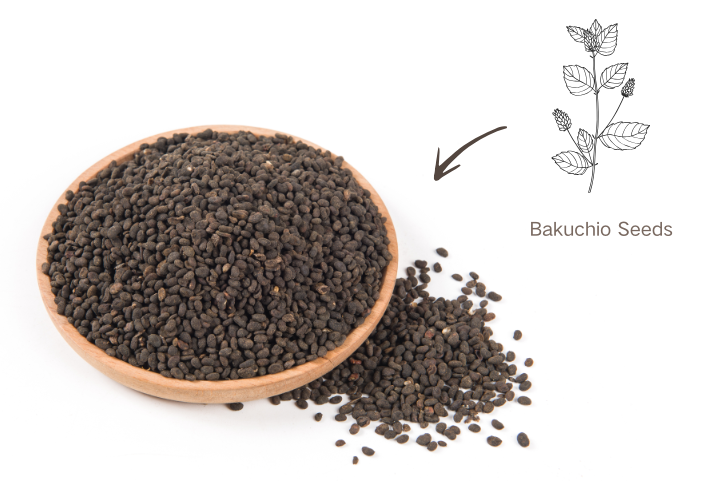
Understanding the difference between cosmetic grade and pharmaceutical grade pure bakuchiol is essential for procurement professionals, formulators, and skincare manufacturers. Both grades contain pure bakuchiol, but they differ significantly in purity standards, regulatory compliance, manufacturing controls, and intended applications. Selecting the correct grade directly impacts product safety, efficacy, regulatory approval timelines, and ultimately market viability.
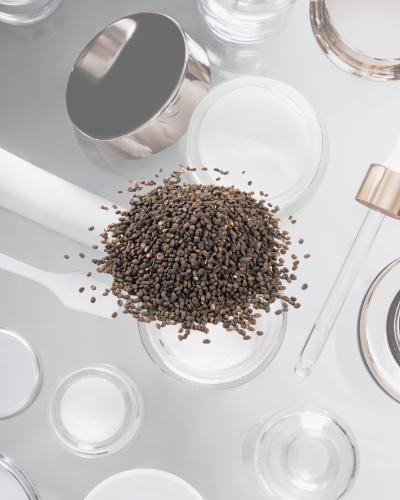
When sourcing pure bakuchiol for formulation, procurement teams must navigate nuanced specifications, regulatory frameworks, and quality assurance protocols. The decision between cosmetic and pharmaceutical grades depends on your product classification, target market, regulatory jurisdiction, and long-term business strategy. This guide walks through the key procurement specifications and distinguishing factors.
Regulatory Classification and Compliance Requirements
Cosmetic Grade Pure Bakuchiol Standards
Pure bakuchiol classified as cosmetic grade must meet cosmetic regulations in your target market, typically less stringent than pharmaceutical standards. In the European Union, cosmetic grade pure bakuchiol must comply with the EU Cosmetics Regulation (EC) No 1223/2009, which restricts certain ingredients but does not require clinical efficacy data. In the United States, cosmetic grade pure bakuchiol falls under FDA cosmetic classification, allowing broader formulation flexibility without new drug application requirements. These cosmetic regulations focus on safety, labeling accuracy, and manufacturing hygiene rather than therapeutic efficacy claims.
Cosmetic grade pure bakuchiol specifications typically require purity of 90–98%, with acceptable levels of known related substances and residual solvents. The manufacturing process emphasizes consistency and consumer safety but does not require validation of therapeutic mechanisms. Procurement specifications for cosmetic pure bakuchiol should include microbial limits (typically <1000 CFU/g), heavy metal testing (lead, cadmium, mercury), and stability data under standard storage conditions.
Pharmaceutical Grade Pure Bakuchiol Standards
Pharmaceutical grade pure bakuchiol must meet monograph requirements from pharmacopeias such as USP (United States Pharmacopeia), EP (European Pharmacopoeia), or JP (Japanese Pharmacopoeia). These standards mandate higher purity thresholds, typically 98–99.5% or above, with stricter limits on impurities, related substances, and residual solvents. Pharmaceutical grade pure bakuchiol requires comprehensive analytical documentation, including chromatographic profiles, water content specifications, and ash limits that cosmetic grades do not require.
Sourcing pharmaceutical grade pure bakuchiol requires verification of Good Manufacturing Practice (GMP) compliance at the supplier facility. The supplier must maintain detailed batch records, stability data across temperature and humidity conditions, and documentation of raw material traceability. Pharmaceutical pure bakuchiol specifications include microbial limits of <100 CFU/g and additional testing for absence of specific pathogens like E. coli and S. aureus, reflecting stricter contamination control than cosmetic grades.
Purity, Impurity Profiles, and Analytical Specifications
Purity Levels and Related Substances
The most visible distinguishing factor when procuring pure bakuchiol is declared purity. Cosmetic grade pure bakuchiol typically ranges from 90–98% purity, with remaining composition acceptable as known degradation products or manufacturing byproducts. Pharmaceutical grade pure bakuchiol specifications demand 98–99.5% purity, with known impurities individually quantified and must not exceed specified limits. When requesting quotations for pure bakuchiol, always request the Certificate of Analysis (CoA) specifying exact purity percentage and the HPLC chromatogram showing individual impurity peaks.
Procurement teams must examine related substances limits in pure bakuchiol specifications. Cosmetic grade pure bakuchiol allows broader acceptance criteria for related substances, often <5% total, whereas pharmaceutical grade pure bakuchiol specifications limit individual impurities to <0.5% each and total impurities to <2%. These stricter limits for pharmaceutical pure bakuchiol demand more rigorous purification during synthesis, increasing production cost and lead time.
Residual Solvent and Contamination Testing
Residual solvent analysis is mandatory for both cosmetic and pharmaceutical grade pure bakuchiol, but limits differ substantially. Cosmetic specifications for pure bakuchiol typically allow Class 3 solvents (low toxic potential) up to ICH Q3C guidelines, with flexible interpretation. Pharmaceutical grade pure bakuchiol enforces strict ICH Q3C limits, with Class 1 solvents (benzene, carbon tetrachloride) at <2 ppm and Class 2 solvents at specified low limits. Procurement specifications for pharmaceutical pure bakuchiol should explicitly reference ICH Q3C tables and request CoA documentation of solvent testing by GC-MS.
Heavy metal and elemental impurity testing distinguishes procurement grades for pure bakuchiol. Cosmetic grade pure bakuchiol requires basic heavy metal screening (lead, cadmium, mercury, arsenic) at levels typically <10 ppm combined. Pharmaceutical pure bakuchiol demands elemental impurity analysis per USP <232> or EP 2.4.8, with individual limits for potentially toxic metals and quantitative ICP-MS verification. For pharmaceutical procurement of pure bakuchiol, request detailed elemental impurity reports including all 24 potentially harmful elements.
Manufacturing Controls, Documentation, and Supplier Qualification
Good Manufacturing Practice Compliance
Selecting the appropriate grade of pure bakuchiol determines the supplier qualification pathway. Cosmetic grade pure bakuchiol suppliers must maintain basic manufacturing hygiene and quality procedures but are not mandated to operate under GMP certification. Many cosmetic pure bakuchiol suppliers hold ISO 9001 quality management certification, which ensures process consistency but does not guarantee pharmaceutical-level controls. Procurement teams sourcing cosmetic pure bakuchiol should verify ISO certifications and conduct onsite audits to confirm clean facilities and documented procedures.
Pharmaceutical grade pure bakuchiol requires supplier compliance with GMP standards specified by ICH Q7 or regional equivalents (FDA 21 CFR Part 11, EU GMP Annex 15). The supplier's facility must maintain validated manufacturing processes, environmental monitoring systems, and personnel training records. When procuring pharmaceutical pure bakuchiol, request copies of GMP certificates, FDA Form 483 reports if available, and third-party audit documentation. Pharmaceutical pure bakuchiol suppliers must maintain batch records spanning manufacture through stability testing, with documented deviations and corrective actions.
Documentation, Traceability, and Stability Data
Procurement specifications for cosmetic grade pure bakuchiol typically require basic documentation: Certificate of Analysis, safety data sheet, and limited stability data demonstrating shelf life under standard storage (20–25°C, <60% RH). Cosmetic pure bakuchiol CoA usually includes purity, microbial count, and basic physical properties. Documentation for pharmaceutical pure bakuchiol is substantially more comprehensive, including full batch manufacture records, raw material certificates, in-process testing results, finished product testing, and validated analytical methods with precision/accuracy data.
Stability data distinguishes procurement requirements for pure bakuchiol grades significantly. Cosmetic pure bakuchiol stability studies are often conducted under accelerated conditions (40°C/75% RH) for 3–6 months. Pharmaceutical pure bakuchiol specifications demand long-term stability studies per ICH Q1A(R2), including testing at 25°C/60% RH and accelerated conditions over 36 months, with documented degradation pathways and impurity characterization. When sourcing pharmaceutical pure bakuchiol, procurement contracts should guarantee stability data availability before shipment and commit to real-time stability commitment programs.
Cost, Lead Time, and Strategic Sourcing Considerations
Procurement Cost and Price Differentiation
Pharmaceutical grade pure bakuchiol commands a price premium of 40–100% compared to cosmetic grade pure bakuchiol, reflecting stricter purification, analytical validation, and documentation requirements. A cosmetic batch of pure bakuchiol at 90–95% purity may cost USD 50–80 per kilogram, whereas pharmaceutical grade pure bakuchiol at 98–99.5% purity typically ranges USD 80–160 per kilogram depending on supplier and order volume. Procurement teams must balance cost considerations with regulatory requirements and product positioning. If your formulation targets the medical device or regulated pharmaceutical market, investing in pharmaceutical pure bakuchiol is mandatory; cosmetic applications may accept lower-cost cosmetic grades.
Volume commitments significantly impact pricing for pure bakuchiol procurement. Cosmetic grade pure bakuchiol suppliers typically offer better rates for larger orders (5+ kg), whereas pharmaceutical pure bakuchiol minimum order quantities are often higher (10–25 kg) due to batch manufacturing costs. Procurement negotiations for pure bakuchiol should explore volume tiering, annual commitment discounts, and long-term supply agreements to optimize cost while securing quality assurance.
Lead Time, Supply Chain Logistics, and Strategic Planning
Lead time differences between cosmetic and pharmaceutical grade pure bakuchiol affect procurement planning. Cosmetic grade pure bakuchiol is often available from stock or within 4–8 weeks, with flexible specifications allowing rapid production. Pharmaceutical grade pure bakuchiol typically requires 8–16 weeks from order to delivery due to rigorous analytical testing, stability commitments, and documentation preparation. If you are launching a new product, procurement teams should request preliminary pharmaceutical pure bakuchiol samples early to confirm specifications and initiate stability programs during product development.
Sourcing strategy for pure bakuchiol should align with business trajectory and market ambitions. Early-stage companies may start with cosmetic grade pure bakuchiol for market validation, then transition to pharmaceutical grade as products scale and regulatory requirements tighten. Procurement contracts should include upgrade pathways and clauses allowing access to pharmaceutical pure bakuchiol without renegotiating supplier relationships. Maintaining pure bakuchiol supplier relationships provides strategic advantage as your product portfolio evolves across regulatory categories.
FAQ
Can cosmetic grade pure bakuchiol be used in pharmaceutical formulations?
No, cosmetic grade pure bakuchiol should not be used in regulated pharmaceutical or medical device applications. Regulatory bodies require pharmaceutical or USP-grade raw materials for products marketed with therapeutic claims or device classification. Using cosmetic grade pure bakuchiol in a pharmaceutical application exposes the company to product recalls, regulatory warning letters, and market liability. If your product meets pharmaceutical classification, sourcing pharmaceutical grade pure bakuchiol is mandatory regardless of cost considerations.
How do I verify that a pure bakuchiol supplier provides pharmaceutical grade material?
Request the Certificate of Analysis (CoA) specifying purity ≥98%, elemental impurity data per USP <232>, and residual solvent analysis per ICH Q3C. Verify that the supplier holds GMP certification (FDA, EU, or equivalent), not just ISO 9001. Ask for batch stability data, raw material traceability documentation, and third-party audit certificates. Contact the supplier directly to confirm access to detailed batch manufacture records and inquire about their quality system documentation. Pharmaceutical grade pure bakuchiol suppliers should provide comprehensive technical dossiers upon request.
What is the typical shelf life difference between cosmetic and pharmaceutical grade pure bakuchiol?
Cosmetic grade pure bakuchiol typically has a shelf life of 24–36 months under standard storage conditions (20–25°C, <60% RH), often without accelerated stability data documentation. Pharmaceutical grade pure bakuchiol is typically assigned a 36–48 month shelf life, supported by full ICH Q1A(R2) stability studies. The difference reflects higher initial purity and tighter manufacturing controls that minimize degradation pathways. Always check the CoA for the specific expiration date and storage conditions for your batch of pure bakuchiol.