
 EN

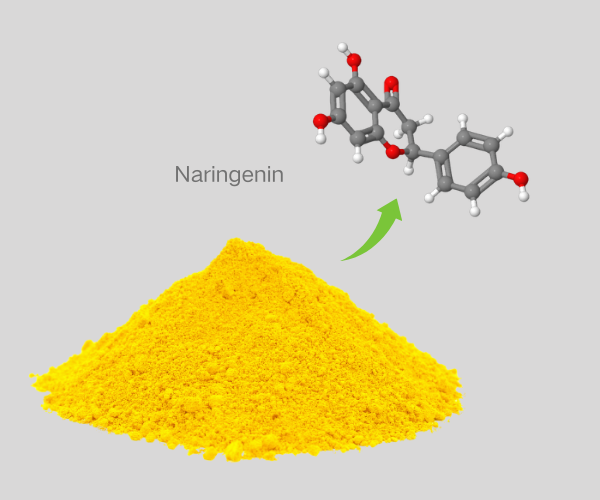
Procurement decisions in the cosmetic and personal care industry increasingly rely on scientific validation and clinical data. When evaluating active ingredients like naringin naringenin, decision-makers must understand how whitening efficacy and tyrosinase inhibition test reports directly influence ingredient selection, formulation success, and market competitiveness. Naringin naringenin has emerged as a significant botanical extract with documented potential for skin brightening applications, making it essential for procurement teams to grasp the relationship between its biochemical properties, test results, and real-world procurement implications.

The procurement landscape for cosmetic ingredients is highly competitive, with brands and formulators seeking proven efficacy and regulatory compliance. Understanding naringin naringenin's mechanism of action, supported by credible tyrosinase inhibition test reports, provides the foundation for confident purchasing decisions. This article explores how whitening efficacy data and inhibition test results directly shape procurement strategy, risk mitigation, and product development timelines in cosmetic manufacturing.
Understanding Naringin Naringenin and Its Mechanism
What Naringin Naringenin Is and How It Works
Naringin naringenin is a naturally occurring flavanone derived primarily from citrus fruits and other botanical sources. In skincare applications, naringin naringenin functions by inhibiting tyrosinase, the key enzyme responsible for melanin production in human skin. The connection between naringin naringenin and tyrosinase inhibition represents a well-established biochemical pathway that formulators and procurement teams rely upon when designing whitening and brightening products.
The mechanism by which naringin naringenin achieves its whitening effect involves interfering with the enzyme activity that converts tyrosine into melanin. Tyrosinase serves as the rate-limiting enzyme in the melanin synthesis pathway, making it a prime target for ingredients seeking to reduce hyperpigmentation and promote even skin tone. When naringin naringenin is present in sufficient concentrations, it can competitively inhibit tyrosinase, thereby reducing melanin accumulation in keratinocytes and contributing to a brighter, more uniform complexion.
Establishing Credibility Through Scientific Testing
Procurement professionals must evaluate naringin naringenin through the lens of scientific evidence rather than marketing claims alone. Tyrosinase inhibition test reports provide quantifiable, reproducible data that demonstrate the ingredient's efficacy at the biochemical level. These reports typically measure the degree to which naringin naringenin inhibits tyrosinase activity, often expressed as a percentage of enzyme inhibition under controlled laboratory conditions. Understanding how to read and interpret these test reports is crucial for procurement teams making multi-kilogram or ton-scale purchasing commitments.
The Role of Tyrosinase Inhibition Test Reports in Procurement
Interpreting Test Data and Standardization
Tyrosinase inhibition test reports for naringin naringenin should follow recognized international standards, such as methods published by regulatory bodies or independent testing laboratories. These tests measure how effectively naringin naringenin reduces the catalytic activity of tyrosinase enzyme extracted from mushroom or other sources, providing an in vitro benchmark for expected performance. A reliable naringin naringenin supplier will provide detailed test reports showing inhibition percentages, dosage ranges tested, and methodology alignment with industry standards.
Procurement teams should verify that tyrosinase inhibition test reports for naringin naringenin include specific details such as the test duration, pH conditions, temperature settings, and substrate concentrations used. Variations in these parameters can significantly affect reported inhibition percentages, making consistency and transparency essential for comparing suppliers. When evaluating competing naringin naringenin sources, procurement managers must ensure that test methodologies are comparable and that results are presented in a standardized format.
Connecting Test Results to Real-World Efficacy
While tyrosinase inhibition test reports provide crucial in vitro data for naringin naringenin, procurement professionals must recognize the distinction between laboratory enzyme inhibition and in vivo skin brightening results. A high tyrosinase inhibition percentage observed in naringin naringenin testing does not automatically guarantee dramatic consumer-visible whitening effects, as skin penetration, formulation stability, and individual skin physiology all play significant roles. However, robust tyrosinase inhibition test results do provide a scientific foundation and reduce procurement risk by confirming the ingredient's biochemical potential.
Whitening Efficacy Data and Procurement Decision-Making
Clinical Studies and Consumer Efficacy Claims
Procurement teams considering naringin naringenin must examine whether suppliers can provide clinical study data demonstrating actual skin brightening results. Clinical studies go beyond tyrosinase inhibition test reports by measuring visible changes in skin tone, melanin content, and consumer satisfaction over defined time periods. These studies typically involve human subjects using formulated products containing naringin naringenin, providing evidence that the ingredient's enzyme-inhibiting potential translates into measurable skin improvements.
Whitening efficacy data for naringin naringenin may include metrics such as skin tone uniformity improvement, reduction in dark spots or hyperpigmented areas, and overall luminosity increases as measured by spectrophotometry or image analysis. Procurement managers should request clinical summaries, statistical analyses, and third-party verification when available. The availability of robust clinical data for naringin naringenin significantly strengthens procurement justification and reduces regulatory and marketing compliance risks.
Quality Control and Batch Consistency
Consistent whitening efficacy and tyrosinase inhibition activity across naringin naringenin batches are critical procurement considerations. Suppliers should demonstrate quality control protocols that include batch-level testing of tyrosinase inhibition and standardization of active compound concentrations. Procurement teams should establish specifications that define minimum acceptable inhibition percentages and require certificate of analysis documentation for each naringin naringenin delivery.
Variability in naringin naringenin's whitening efficacy between supplier batches can compromise formulation performance and consumer satisfaction, making procurement due diligence essential. Leading suppliers invest in raw material source management, extraction standardization, and analytical testing to ensure that every batch of naringin naringenin meets predefined efficacy criteria. Procurement agreements should include penalty clauses or return provisions if tyrosinase inhibition test results fall below specified thresholds.
Strategic Procurement Considerations and Implementation
Risk Mitigation and Regulatory Alignment
Procurement professionals must ensure that their naringin naringenin sourcing aligns with regional regulatory requirements for cosmetic ingredients and active substances. Different markets impose varying restrictions on ingredient concentration, claim substantiation, and labeling requirements for whitening actives. Having robust tyrosinase inhibition test reports and clinical efficacy data for naringin naringenin strengthens regulatory compliance documentation and reduces the risk of market rejection or product reformulation delays.
Supply chain security and ingredient authenticity are critical procurement factors when sourcing naringin naringenin. Suppliers should provide traceability documentation, third-party identity verification through HPLC or other analytical methods, and assurance that botanical sources are sustainably harvested. Procurement teams should conduct supplier audits to verify that quality control systems for naringin naringenin are robust and that test reports reflect genuine laboratory analysis rather than generic specification claims.
Cost-Benefit Analysis and Competitive Positioning
Procurement decisions regarding naringin naringenin must balance ingredient cost against expected market performance and brand positioning. Higher-cost, extensively tested naringin naringenin sources with substantial clinical data may justify premium pricing if they enable marketing claims and consumer trust. Conversely, budget-conscious procurement may select more economical naringin naringenin sources, provided that tyrosinase inhibition test reports confirm acceptable efficacy levels and regulatory compliance.
Building long-term supplier relationships for naringin naringenin sourcing can unlock volume discounts, priority access to new batches, and collaborative product development opportunities. Procurement teams that demonstrate commitment to ongoing purchases of naringin naringenin often negotiate better terms and gain access to exclusive efficacy data or pre-clinical research insights that competitors may not possess.
FAQ
How reliable are tyrosinase inhibition test reports for predicting real skin whitening results from naringin naringenin?
Tyrosinase inhibition test reports provide a strong biochemical foundation for naringin naringenin efficacy, but in vitro results do not guarantee equivalent in vivo skin brightening. Laboratory enzyme inhibition is a necessary prerequisite for whitening activity, yet factors such as skin barrier penetration, formulation stability, frequency of application, and individual skin physiology ultimately determine visible results. Procurement teams should view tyrosinase inhibition test data as a qualifying filter rather than a complete predictor, and prioritize suppliers who also provide clinical study documentation for naringin naringenin.
What specifications should procurement teams establish when sourcing naringin naringenin for cosmetic formulations?
Procurement specifications for naringin naringenin should include minimum tyrosinase inhibition percentage thresholds measured under standardized test conditions, HPLC purity and identity confirmation, microbial and heavy metal limits aligned with cosmetic regulations, and documentation of botanical source traceability. Additionally, procurement contracts should mandate certificate of analysis documentation for each batch, requirement for batch-level efficacy testing, and clarity on shelf stability, storage conditions, and formulation compatibility of the naringin naringenin supplied.
How can procurement teams differentiate between high-quality and low-quality naringin naringenin suppliers based on available data?
High-quality naringin naringenin suppliers demonstrate transparency by providing detailed tyrosinase inhibition test reports with methodology specifics, clinical study summaries, third-party laboratory verification, and consistent batch-to-batch quality control records. They offer technical support, formulation guidance, and willingness to conduct stability and compatibility testing with client formulations. Low-quality suppliers may provide generic specification sheets without substantiated testing data, lack traceability documentation, or show significant batch variability in tyrosinase inhibition results, indicating inadequate quality control protocols for naringin naringenin.
Table of Contents
- Understanding Naringin Naringenin and Its Mechanism
- The Role of Tyrosinase Inhibition Test Reports in Procurement
- Whitening Efficacy Data and Procurement Decision-Making
- Strategic Procurement Considerations and Implementation
-
FAQ
- How reliable are tyrosinase inhibition test reports for predicting real skin whitening results from naringin naringenin?
- What specifications should procurement teams establish when sourcing naringin naringenin for cosmetic formulations?
- How can procurement teams differentiate between high-quality and low-quality naringin naringenin suppliers based on available data?