
 EN
EN

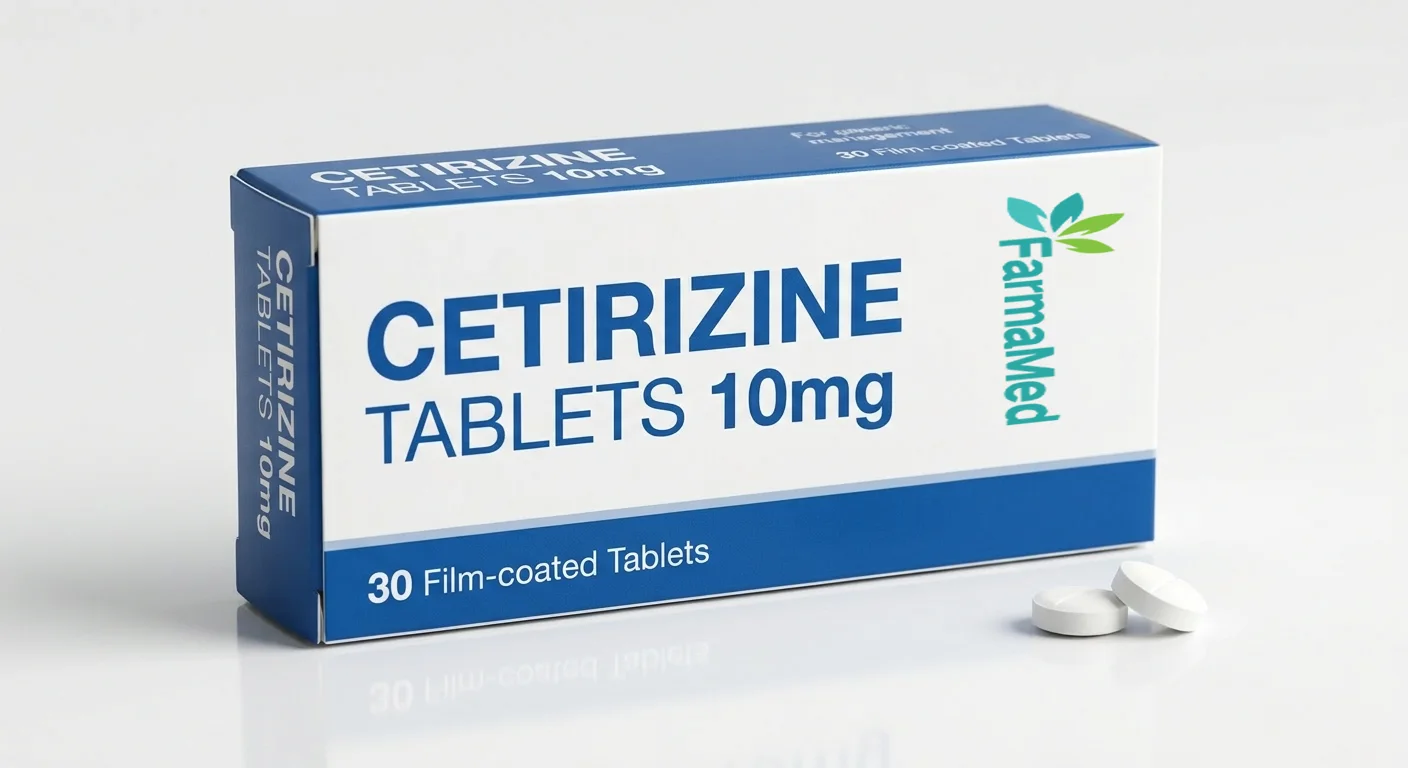
Sourcing high-quality cetirizine API requires pharmaceutical manufacturers to navigate complex regulatory distinctions between European Pharmacopoeia and United States Pharmacopeia standards. The choice between EP and USP grade cetirizine directly impacts the final product quality, regulatory compliance, and market accessibility for cetirizine tablets. Understanding these pharmacopoeial differences becomes critical when establishing reliable supply chains and ensuring consistent manufacturing outcomes for antihistamine formulations.
The distinction between EP and USP grades for cetirizine API extends beyond simple regional preferences to encompass fundamental differences in analytical methods, impurity limits, and documentation requirements. Pharmaceutical procurement teams must evaluate these specifications against their intended market destinations, manufacturing capabilities, and quality assurance protocols. This comprehensive approach to cetirizine API sourcing ensures that the resulting cetirizine tablets meet both regulatory expectations and commercial viability requirements across different therapeutic markets.
Fundamental Differences Between EP and USP Cetirizine Standards
Analytical Method Variations
European Pharmacopoeia and United States Pharmacopeia employ distinct analytical approaches for cetirizine API qualification, creating measurable differences in testing protocols and acceptance criteria. EP standards typically utilize high-performance liquid chromatography methods with specific column specifications and mobile phase compositions that may differ from USP requirements. These analytical variations directly influence the characterization of cetirizine tablets during incoming material testing and finished product release.
The chromatographic conditions specified in EP monographs often incorporate different detector wavelengths and runtime parameters compared to USP methods, potentially affecting the detection and quantification of related substances. Manufacturing facilities must align their analytical capabilities with the chosen pharmacopoeial standard to ensure consistent results. This alignment becomes particularly important when transitioning between EP and USP grade cetirizine API suppliers or when supporting multiple market registrations.
Impurity Profile Specifications
Impurity limits and identification requirements represent another significant distinction between EP and USP cetirizine standards, with direct implications for API sourcing decisions. EP specifications may establish different threshold limits for individual impurities compared to USP standards, requiring careful evaluation during supplier qualification processes. These differences can impact the acceptability of cetirizine API batches and influence the overall cost-effectiveness of sourcing strategies.
Related substance testing protocols vary between pharmacopoeias, with EP and USP potentially requiring different reference standards or calculation methods for impurity determination. Pharmaceutical manufacturers producing cetirizine tablets must ensure their analytical methods can adequately support the chosen pharmacopoeial requirements while maintaining appropriate sensitivity and specificity. The selection of EP or USP grade cetirizine API should align with the manufacturer's quality control capabilities and regulatory submission strategies.
Quality Assessment Criteria for Cetirizine API Sourcing
Certificate of Analysis Evaluation
Evaluating certificates of analysis for cetirizine API requires systematic comparison against the applicable pharmacopoeial monograph to identify compliance with all specified parameters. EP and USP certificates may present data in different formats or with varying levels of detail, necessitating careful review to ensure completeness. The certificate should demonstrate compliance with all relevant tests including assay, water content, residual solvents, and microbial limits specific to the chosen pharmacopoeial standard.
Documentation quality assessment extends beyond numerical compliance to encompass the clarity of analytical methods, reference to appropriate pharmacopoeial procedures, and consistency of reporting formats. Certificates supporting cetirizine tablets manufacturing should provide sufficient detail to enable independent verification of results and support regulatory submission requirements. The analytical data presentation should align with international harmonization guidelines while meeting the specific documentation expectations of the target markets.
Manufacturing Process Verification
API manufacturing process evaluation becomes essential when distinguishing between EP and USP grade cetirizine suppliers, as process variations can impact the resulting product characteristics. The synthetic route, purification methods, and crystallization conditions employed by the API manufacturer directly influence the final product quality and its ability to meet specific pharmacopoeial requirements. Understanding these process elements helps pharmaceutical companies assess the suitability of cetirizine API for their intended cetirizine tablets formulation and manufacturing approach.
Process validation documentation should demonstrate consistent production of cetirizine API meeting the target pharmacopoeial standard across multiple batches and under normal operating conditions. The supplier's quality management system should provide evidence of process control measures, environmental monitoring, and change control procedures that support consistent EP or USP compliance. This verification process becomes particularly important when establishing long-term supply agreements for cetirizine tablets production.
Regulatory Compliance Considerations
Market-Specific Registration Requirements
Regulatory registration strategies significantly influence the selection between EP and USP grade cetirizine API, as different markets may have specific preferences or requirements for pharmacopoeial compliance. European markets typically expect EP grade materials, while US registrations generally require USP compliance, though cross-acceptance may be possible under certain circumstances. The choice of cetirizine API grade should align with the intended registration pathway and commercial objectives for the resulting cetirizine tablets.
Drug master file strategies and regulatory submission timelines may favor one pharmacopoeial standard over another, depending on the supplier's regulatory support capabilities and existing approvals. Some API manufacturers maintain dual compliance with both EP and USP standards, providing greater flexibility for pharmaceutical companies pursuing multiple market registrations. The regulatory landscape for cetirizine tablets should be evaluated comprehensively to optimize API sourcing decisions and minimize potential compliance risks.
Quality Agreement Specifications
Quality agreements with cetirizine API suppliers must clearly specify the applicable pharmacopoeial standard and any additional requirements beyond the basic monograph specifications. These agreements should address change notification procedures, batch release criteria, and documentation requirements specific to EP or USP compliance. The quality agreement serves as the foundation for ongoing supplier management and ensures consistent delivery of cetirizine API suitable for the intended tablet manufacturing operations.
Supplier audit protocols should verify the manufacturer's capability to consistently produce cetirizine API meeting the specified pharmacopoeial requirements through examination of facilities, procedures, and quality systems. The audit should assess the supplier's understanding of EP or USP requirements and their implementation of appropriate analytical methods and release criteria. This verification process becomes essential for maintaining confidence in cetirizine tablets quality and regulatory compliance throughout the product lifecycle.
Supply Chain Risk Management
Supplier Qualification Protocols
Comprehensive supplier qualification for cetirizine API involves evaluating the manufacturer's technical capabilities, regulatory compliance history, and quality management systems relative to EP or USP requirements. The qualification process should assess the supplier's analytical capabilities, reference standard management, and calibration procedures to ensure consistent pharmacopoeial compliance. Documentation review should encompass manufacturing licenses, quality certifications, and regulatory inspection histories relevant to cetirizine tablets production requirements.
Risk assessment methodologies should consider the supplier's geographic location, manufacturing capacity, and backup capabilities to ensure reliable supply continuity for cetirizine API. The evaluation should also assess the supplier's change management procedures and communication protocols to minimize the risk of unplanned variations that could impact cetirizine tablets manufacturing. Long-term supplier relationships require ongoing monitoring of performance metrics and compliance indicators specific to the chosen pharmacopoeial standard.
Contingency Planning Strategies
Effective contingency planning for cetirizine API sourcing requires identification of alternative suppliers capable of providing equivalent EP or USP grade materials with minimal qualification time and regulatory impact. Backup supplier evaluation should consider the potential need for analytical method transfer, reference standard alignment, and documentation harmonization to support seamless transition if required. The contingency plan should address both short-term supply disruptions and longer-term strategic sourcing optimization for cetirizine tablets production.
Supply chain diversification strategies may benefit from maintaining qualified suppliers for both EP and USP grade cetirizine API, providing operational flexibility and risk mitigation capabilities. This approach requires careful management of supplier relationships, analytical method validation, and regulatory documentation to ensure both options remain viable. The investment in dual qualification should be balanced against the operational complexity and potential benefits for cetirizine tablets commercial objectives and regulatory compliance requirements.
FAQ
Can EP grade cetirizine API be used for US market cetirizine tablets?
EP grade cetirizine API may be acceptable for US market cetirizine tablets if the material meets all USP monograph requirements and is properly supported in regulatory submissions. However, direct substitution requires careful analytical verification and regulatory consultation, as differences in testing methods and acceptance criteria between EP and USP standards may create compliance challenges.
What are the main cost differences between EP and USP grade cetirizine API?
Cost differences between EP and USP grade cetirizine API typically reflect variations in analytical testing requirements, documentation complexity, and supplier market dynamics rather than fundamental quality differences. USP grade materials may command premium pricing in certain regions due to regulatory preferences, while EP grade options might offer cost advantages for European market-focused production of cetirizine tablets.
How do analytical method differences impact cetirizine tablets manufacturing?
Analytical method differences between EP and USP standards require pharmaceutical manufacturers to validate appropriate test procedures for incoming cetirizine API and finished cetirizine tablets testing. These variations may necessitate different equipment capabilities, reference standards, and analyst training to ensure consistent compliance with the chosen pharmacopoeial requirements throughout the manufacturing process.
Is it possible to source cetirizine API that complies with both EP and USP standards?
Some cetirizine API manufacturers produce materials that comply with both EP and USP standards by meeting the most stringent requirements from each pharmacopoeia. This dual compliance approach provides maximum regulatory flexibility for cetirizine tablets manufacturing but may involve additional testing costs and documentation complexity that should be evaluated against the commercial benefits of enhanced market access.
Table of Contents
- Fundamental Differences Between EP and USP Cetirizine Standards
- Quality Assessment Criteria for Cetirizine API Sourcing
- Regulatory Compliance Considerations
- Supply Chain Risk Management
-
FAQ
- Can EP grade cetirizine API be used for US market cetirizine tablets?
- What are the main cost differences between EP and USP grade cetirizine API?
- How do analytical method differences impact cetirizine tablets manufacturing?
- Is it possible to source cetirizine API that complies with both EP and USP standards?