
 EN
EN

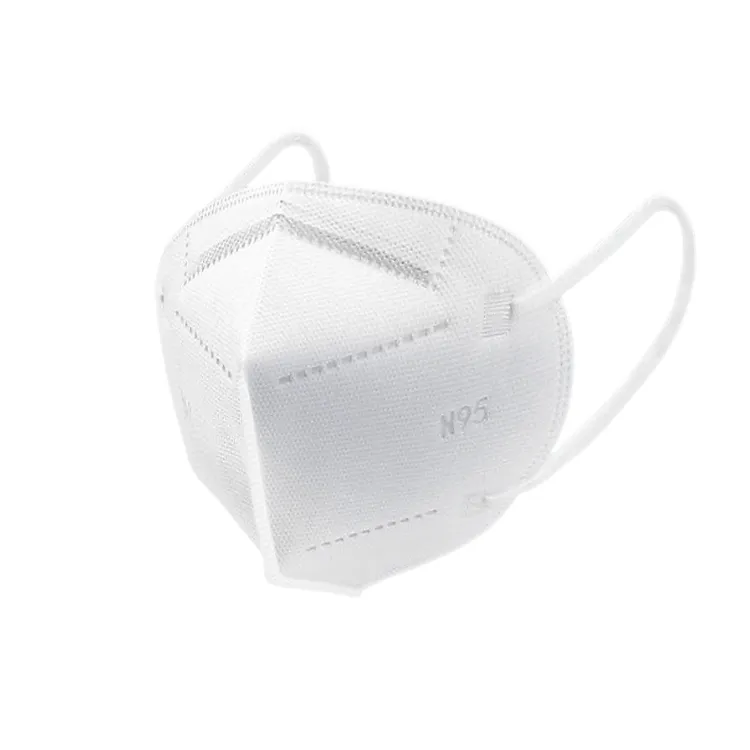
Medical and industrial N95 masks share the same fundamental filtration standard of removing at least 95% of airborne particles, yet critical differences in design, regulatory oversight, and intended applications make proper selection essential for safety and compliance. Understanding these distinctions becomes crucial when organizations need to procure respiratory protection that meets specific workplace requirements while ensuring adequate protection for users.

The procurement process for N95 masks requires careful consideration of regulatory approvals, application-specific features, and supply chain reliability to ensure optimal protection outcomes. Whether selecting masks for healthcare environments, industrial settings, or emergency preparedness, buyers must navigate distinct certification pathways and performance characteristics that directly impact user safety and regulatory compliance.
Regulatory Framework and Certification Differences
FDA Approval for Medical N95 Masks
Medical N95 masks undergo rigorous FDA evaluation through the 510(k) premarket notification process, ensuring they meet stringent biocompatibility requirements for healthcare environments. The FDA clearance process examines factors such as fluid resistance, biocompatibility with human tissue, and flammability characteristics that are specifically relevant to medical settings where exposure to bodily fluids and surgical procedures occurs.
The medical N95 mask certification requires demonstration of resistance to synthetic blood penetration at specific pressure levels, ensuring protection against bloodborne pathogens during medical procedures. This additional testing layer distinguishes medical masks from their industrial counterparts and provides healthcare workers with validated protection against biological hazards commonly encountered in clinical environments.
FDA-cleared N95 masks must also meet specific bacterial filtration efficiency standards and demonstrate low particulate matter shedding to prevent contamination in sterile medical environments. These requirements ensure that medical personnel receive protection while maintaining the sterile conditions necessary for patient safety and infection control protocols.
NIOSH Approval for Industrial N95 Masks
Industrial N95 masks receive approval through the National Institute for Occupational Safety and Health (NIOSH) testing protocols, which focus primarily on particulate filtration efficiency and breathing resistance in workplace environments. NIOSH evaluation examines the mask's ability to filter various particle sizes, maintain structural integrity under workplace conditions, and provide adequate breathing comfort during extended use periods.
The NIOSH approval process includes testing for oil resistance properties, classifying masks as N95 (not oil-resistant), R95 (oil-resistant for single shift), or P95 (oil-proof for multiple shifts) based on their intended industrial applications. This classification system helps industrial buyers select appropriate respiratory protection based on specific workplace hazard exposure profiles and duration requirements.
Industrial N95 mask testing protocols evaluate performance under various environmental conditions including temperature extremes, humidity levels, and mechanical stress that workers might encounter in manufacturing, construction, or mining environments. These comprehensive evaluations ensure that the n95 mask maintains protective performance throughout typical industrial work shifts and environmental challenges.
Design and Performance Characteristics
Fluid Resistance and Splash Protection
Medical N95 masks incorporate specialized outer layers designed to repel fluids and prevent penetration of blood, saliva, and other bodily fluids commonly encountered in healthcare settings. This fluid resistance capability is quantified through standardized testing that simulates blood splash scenarios at various velocities and volumes, ensuring reliable protection during surgical procedures and patient care activities.
The construction of medical N95 masks includes multiple filtration layers with hydrophobic treatments that maintain barrier properties while preserving breathability for extended wear periods. These design elements ensure that healthcare workers receive consistent protection against both airborne particles and liquid-based biological hazards that characterize medical environments.
Industrial N95 masks typically prioritize particle filtration over fluid resistance, focusing on protection against dust, fumes, and solid particulates found in manufacturing and construction environments. While some industrial models may offer limited splash resistance, they generally lack the comprehensive fluid barrier properties required for medical applications where blood and bodily fluid exposure risks are significant.
Comfort and Wearability Features
Medical N95 masks often incorporate design features optimized for extended wear during long surgical procedures or patient care shifts, including soft inner materials that reduce skin irritation and adjustable components that accommodate various facial structures. These comfort enhancements help healthcare workers maintain proper mask fit and seal integrity throughout demanding work periods without compromising protection effectiveness.
Industrial N95 masks frequently feature robust construction materials and reinforced attachment points designed to withstand the physical demands of manufacturing, construction, and other industrial work environments. The emphasis on durability often results in slightly different comfort characteristics, with some models prioritizing structural integrity over the softer materials typically found in medical variants.
Breathing resistance characteristics vary between medical and industrial N95 masks based on their intended use patterns, with medical masks often optimized for communication clarity during patient interactions and surgical team coordination. Industrial models may prioritize extended wear comfort and moisture management for workers engaged in physically demanding tasks that generate higher heat and perspiration levels.
Application-Specific Requirements
Healthcare Environment Considerations
Healthcare facilities require N95 masks that meet strict infection control standards while providing reliable protection against airborne pathogens, including bacteria, viruses, and other biological agents commonly encountered in patient care settings. Medical N95 masks must demonstrate compatibility with other personal protective equipment used in healthcare, including face shields, protective eyewear, and surgical caps that healthcare workers routinely wear together.
The sterile packaging and lot tracking requirements for medical N95 masks support hospital inventory management systems and enable rapid response to potential contamination incidents or product recalls. These administrative features help healthcare facilities maintain compliance with Joint Commission standards and other regulatory requirements that govern medical device usage in patient care environments.
Medical N95 masks must also support effective communication between healthcare team members while maintaining proper fit and seal integrity during patient interactions. This requirement influences design choices around breathing valve placement, material selection, and overall mask geometry to ensure clear speech transmission without compromising protective performance.
Industrial Workplace Applications
Industrial environments present diverse particle exposure risks including metal dust, wood particles, chemical powders, and other occupational hazards that require specific N95 mask performance characteristics. Industrial N95 masks must maintain filtration efficiency across varying particle size distributions and concentration levels encountered in manufacturing, construction, mining, and other industrial operations.
The durability requirements for industrial N95 masks include resistance to mechanical damage from tools, equipment, and environmental conditions that could compromise mask integrity during work activities. These performance standards ensure that workers receive consistent protection throughout their shifts despite exposure to physical stresses that might damage less robust respiratory protection options.
Industrial N95 mask selection must consider compatibility with other workplace safety equipment including hard hats, hearing protection, and safety glasses that workers use simultaneously. This integration requirement influences mask design choices and helps ensure that comprehensive personal protective equipment systems function effectively together without creating gaps in worker protection.
Procurement Strategy and Sourcing Considerations
Supply Chain Reliability and Quality Assurance
Establishing reliable supply chains for N95 masks requires careful evaluation of manufacturer capabilities, regulatory compliance history, and production capacity to meet ongoing organizational needs. Procurement teams must verify that suppliers maintain current certifications, implement robust quality control systems, and demonstrate consistent manufacturing standards that ensure product reliability over time.
Quality assurance protocols for N95 mask procurement should include incoming inspection procedures, lot testing requirements, and supplier performance monitoring systems that detect potential quality issues before they impact end-user safety. These systematic approaches help organizations maintain consistent protection standards while building resilient supply relationships that support long-term operational requirements.
Effective N95 mask procurement strategies incorporate supplier diversification to reduce dependency on single sources while maintaining quality standards across all supply relationships. This approach helps organizations manage supply disruption risks while ensuring that alternative suppliers meet the same rigorous performance and regulatory requirements as primary vendors.
Cost Management and Budgeting Approaches
N95 mask procurement costs vary significantly based on certification requirements, order volumes, and market conditions, requiring organizations to develop comprehensive budgeting strategies that account for both routine usage and emergency stockpiling needs. Cost analysis should consider total ownership expenses including storage, inventory management, and disposal costs that extend beyond initial purchase prices.
Volume purchasing agreements and long-term contracts can provide cost stability for N95 mask procurement while ensuring supply availability during high-demand periods. These arrangements require careful specification of quality standards, delivery schedules, and performance metrics that protect organizational interests while supporting supplier business sustainability.
Emergency procurement planning for N95 masks should establish pre-approved supplier relationships and expedited purchasing procedures that enable rapid response to unexpected demand increases or supply disruptions. These preparedness measures help organizations maintain adequate protection levels while managing cost impacts during crisis situations that may affect normal procurement channels.
FAQ
Can medical N95 masks be used in industrial settings?
Medical N95 masks can provide adequate particle filtration in many industrial applications, but they may lack the durability and specific features required for certain industrial environments. While medical masks meet NIOSH filtration standards, they may not withstand the physical demands, chemical exposures, or environmental conditions present in heavy industrial settings. Organizations should evaluate specific workplace hazards and consider whether medical N95 masks provide appropriate protection duration and performance for their particular industrial applications.
How do I verify that N95 masks meet the required certifications for my application?
Verify N95 mask certifications by checking the NIOSH approval number printed on each mask and cross-referencing it with the official NIOSH Certified Equipment List available online. For medical applications, confirm FDA clearance by reviewing the FDA's medical device database using the manufacturer name and model number. Request certification documentation from suppliers and ensure that lot numbers match approved specifications. Be cautious of counterfeit products by purchasing from reputable suppliers and verifying that packaging and labeling match official certification requirements.
What storage and inventory management practices ensure N95 mask effectiveness?
Store N95 masks in clean, dry environments with stable temperatures between 50-80°F and relative humidity below 80% to preserve filtration media and elastic components. Implement first-in-first-out inventory rotation to prevent masks from exceeding manufacturer shelf life recommendations, typically 3-5 years from production date. Protect masks from direct sunlight, chemicals, and physical damage by using appropriate storage containers and handling procedures. Establish regular inventory audits to monitor stock levels, check for damage, and ensure that stored masks maintain their original packaging integrity.
How frequently should N95 masks be replaced in different work environments?
Replace N95 masks based on manufacturer recommendations, workplace contamination levels, and user comfort factors rather than arbitrary time schedules. In healthcare settings, replace masks between patient encounters or when they become damaged, contaminated, or difficult to breathe through. Industrial environments may allow extended use until masks show signs of damage, excessive breathing resistance, or contamination that affects performance. Monitor mask condition throughout use and replace immediately if the seal is compromised, straps lose elasticity, or the mask becomes wet or soiled beyond acceptable limits.