
 EN
EN

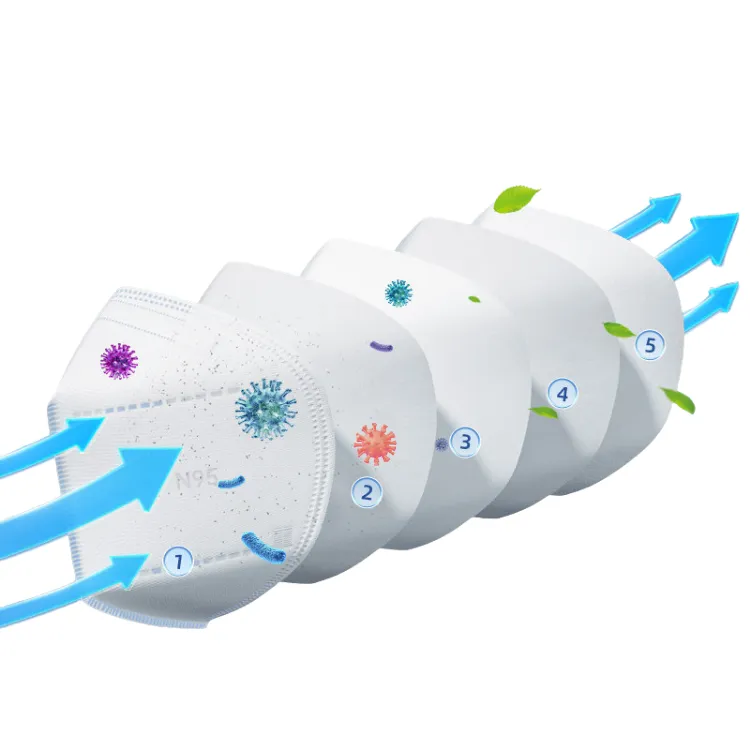
Verifying product quality and compliance when sourcing N95 masks for B2B applications requires a systematic approach that combines regulatory knowledge, supplier assessment, and rigorous testing protocols. The importance of proper verification cannot be overstated, as substandard N95 mask products can compromise worker safety, expose organizations to liability risks, and result in regulatory violations that damage business reputation and operational continuity.
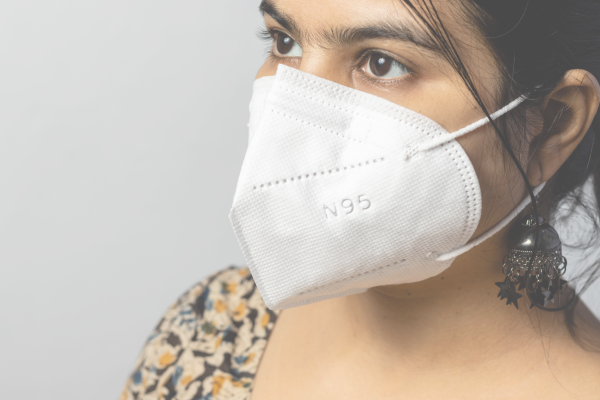
The complexity of N95 mask verification stems from the intricate regulatory landscape, varying international standards, and the proliferation of counterfeit products in the market. B2B buyers must navigate multiple compliance frameworks, understand technical specifications, and implement verification processes that ensure every N95 mask meets the required filtration efficiency, breathability, and safety standards necessary for workplace protection programs.
Understanding Regulatory Compliance Standards
NIOSH Certification Requirements
The National Institute for Occupational Safety and Health (NIOSH) serves as the primary regulatory authority for N95 mask certification in the United States. Every authentic N95 mask must display a NIOSH approval number, typically formatted as TC-84A-XXXX, which can be verified through the NIOSH Certified Equipment List database. This approval number serves as the foundational verification point for any B2B sourcing decision.
NIOSH certification involves rigorous testing protocols that evaluate filtration efficiency, breathing resistance, and fit characteristics. The N95 designation specifically indicates that the mask filters at least 95% of airborne particles with a diameter of 0.3 micrometers or larger. B2B buyers should verify that their supplier can provide official NIOSH documentation, including the approval letter and technical data package that accompanies each certified N95 mask model.
Beyond the basic certification, buyers must understand that NIOSH approval is model-specific, meaning each variation in design, materials, or manufacturing process requires separate approval. This understanding is crucial when evaluating supplier claims and ensuring that the exact N95 mask model being sourced matches the certified specifications.
International Standards and Cross-Border Compliance
For B2B operations involving international sourcing, understanding equivalent standards becomes essential. The European FFP2 standard, Chinese KN95 standard, and other regional certifications may be acceptable in specific jurisdictions, but they are not interchangeable with the N95 standard. Each standard has different testing methodologies, performance criteria, and acceptable use applications.
When sourcing from international suppliers, B2B buyers must verify that the N95 mask meets the specific regulatory requirements for their intended market. This includes understanding FDA Emergency Use Authorization (EUA) criteria during health emergencies, which may temporarily allow certain international standards to be used in healthcare settings under specific conditions.
Documentation requirements vary significantly across jurisdictions, and buyers must ensure their suppliers can provide comprehensive compliance documentation that meets local regulatory expectations. This includes certificates of conformity, test reports from accredited laboratories, and quality management system certifications that demonstrate consistent manufacturing practices.
Supplier Qualification and Assessment
Manufacturing Facility Verification
Effective supplier qualification begins with verifying the manufacturing facility's credentials and capabilities. Legitimate N95 mask manufacturers typically hold ISO 13485 certification for medical device quality management systems, FDA establishment registration, and other relevant quality certifications. B2B buyers should request and verify these credentials through official regulatory databases.
Site audits, whether conducted virtually or in-person, provide valuable insights into manufacturing processes, quality control systems, and compliance practices. During these assessments, buyers should evaluate the facility's ability to maintain consistent N95 mask production quality, implement effective change control procedures, and demonstrate traceability throughout the manufacturing process.
Supply chain transparency becomes particularly important when assessing N95 mask suppliers. Buyers should understand the source of raw materials, including the melt-blown fabric that provides the critical filtration capability. Suppliers should be able to provide certificates of analysis for key materials and demonstrate that their supply chain meets the same quality standards applied to the finished product.
Quality Management System Evaluation
A robust quality management system serves as the foundation for consistent N95 mask quality and compliance. B2B buyers should evaluate suppliers based on their documented quality procedures, corrective and preventive action (CAPA) systems, and statistical process control capabilities. These systems ensure that every N95 mask meets specification requirements and that any quality issues are quickly identified and resolved.
Document control procedures become particularly important when assessing N95 mask suppliers. Suppliers should maintain current versions of all quality documents, including specifications, test procedures, and work instructions. They should also demonstrate effective change control processes that ensure any modifications to the N95 mask design or manufacturing process are properly validated and approved.
Risk management capabilities indicate a supplier's ability to proactively identify and mitigate potential quality issues. Suppliers should demonstrate systematic approaches to risk assessment, including failure mode and effects analysis (FMEA) for critical N95 mask manufacturing processes. This proactive approach helps prevent quality issues rather than simply responding to problems after they occur.
Product Testing and Verification Protocols
Filtration Efficiency Testing
Filtration efficiency represents the most critical performance characteristic of any N95 mask. B2B buyers should require suppliers to provide test reports from accredited laboratories demonstrating that each lot meets or exceeds the 95% filtration efficiency requirement. These tests should follow standardized protocols using sodium chloride (NaCl) aerosol particles at the most penetrating particle size.
Independent testing provides additional assurance beyond supplier-provided test results. B2B buyers should consider engaging third-party testing laboratories to verify N95 mask performance, particularly for large procurement volumes or critical applications. This independent verification helps identify potential quality issues and provides objective performance data for decision-making.
Testing frequency and sampling protocols should be established based on risk assessment and volume considerations. Higher-risk applications may require more frequent testing, while established suppliers with proven track records may warrant reduced testing frequency. However, any changes in manufacturing processes, materials, or facilities should trigger additional verification testing.
Physical and Dimensional Verification
Beyond filtration performance, N95 mask quality verification must include physical and dimensional characteristics that affect fit and comfort. These include strap strength, nose bridge flexibility, and overall dimensional consistency. Suppliers should provide specifications for these characteristics and demonstrate statistical control over these parameters.
Breathing resistance testing ensures that the n95 mask provides adequate filtration without creating excessive breathing difficulty. NIOSH standards specify maximum acceptable breathing resistance levels for both inhalation and exhalation. B2B buyers should verify that suppliers routinely test these parameters and maintain control charts demonstrating consistent performance.
Durability testing evaluates the N95 mask's ability to maintain performance under normal use conditions. This includes testing for degradation under various environmental conditions, storage stability, and mechanical stress resistance. Suppliers should provide data demonstrating that their N95 mask maintains performance throughout its intended shelf life and use period.
Documentation and Traceability Requirements
Certificate of Conformity Management
Comprehensive documentation serves as the backbone of effective N95 mask quality verification. Suppliers should provide certificates of conformity for each lot that include specific test results, manufacturing date, lot identification, and expiration date information. This documentation enables full traceability and supports regulatory compliance efforts.
Electronic documentation systems facilitate efficient document management and verification processes. B2B buyers should evaluate suppliers based on their ability to provide electronic certificates, maintain secure document repositories, and enable real-time access to quality documentation. These systems support faster decision-making and more efficient compliance management.
Document retention policies ensure that quality records remain available for regulatory inquiries and quality investigations. Suppliers should maintain comprehensive records for periods specified by relevant regulations, typically ranging from three to ten years depending on the specific regulatory framework and intended N95 mask application.
Lot Identification and Traceability
Effective lot identification systems enable rapid response to quality issues and support product recall activities if necessary. Each N95 mask should be traceable to specific manufacturing lots through clear marking systems that include date codes, lot numbers, and manufacturer identification. This traceability extends throughout the supply chain from raw materials to finished products.
Supply chain traceability becomes particularly important for identifying the source of quality issues and implementing effective corrective actions. B2B buyers should verify that suppliers maintain comprehensive traceability records that link finished N95 mask products to specific raw material lots, manufacturing equipment, and production personnel.
Automated tracking systems provide enhanced traceability capabilities and support more efficient inventory management. Suppliers utilizing barcode or RFID tracking systems can provide more detailed traceability information and support faster response to quality issues or regulatory inquiries affecting specific N95 mask lots.
Ongoing Quality Monitoring and Relationship Management
Performance Monitoring Systems
Establishing ongoing performance monitoring systems enables B2B buyers to track supplier performance and identify potential quality trends before they become significant issues. Key performance indicators should include on-time delivery, quality metrics, compliance performance, and customer satisfaction measures specific to N95 mask procurement.
Statistical process control techniques help identify performance trends and support proactive quality management. Suppliers should provide regular quality reports that include control charts, capability studies, and trend analysis for critical N95 mask performance characteristics. This data enables informed decision-making and supports continuous improvement efforts.
Regular supplier reviews provide opportunities to assess performance, address issues, and align on quality expectations. These reviews should include evaluation of quality metrics, compliance performance, and improvement initiatives. They also provide forums for discussing industry developments, regulatory changes, and emerging requirements that may affect N95 mask specifications or testing requirements.
Continuous Improvement and Partnership Development
Long-term supplier partnerships enable continuous improvement efforts that benefit both buyers and suppliers. Collaborative improvement projects can focus on enhancing N95 mask performance, reducing costs, improving delivery performance, or streamlining quality verification processes. These partnerships create mutual value and support more effective quality management.
Technology integration opportunities enable more efficient quality verification and supply chain management. Suppliers investing in advanced manufacturing technologies, quality management systems, and digital documentation platforms can provide enhanced service levels and more comprehensive quality assurance for N95 mask products.
Industry participation and knowledge sharing support broader improvement efforts across the N95 mask supply chain. Suppliers who actively participate in industry associations, standards development activities, and regulatory initiatives demonstrate commitment to continuous improvement and staying current with evolving requirements.
FAQ
What specific documentation should I require from N95 mask suppliers to verify compliance?
Require NIOSH approval documentation including the approval number and certificate, test reports from accredited laboratories showing filtration efficiency results, certificates of conformity for each lot, ISO 13485 quality management certification, and FDA establishment registration if applicable. Additionally, request material certificates of analysis and supply chain traceability documentation to ensure comprehensive compliance verification.
How frequently should I conduct quality testing on incoming N95 mask shipments?
Testing frequency should be based on supplier performance history, lot size, and risk assessment. For new suppliers, test every lot until consistent performance is demonstrated. For established suppliers with proven track records, quarterly testing may be sufficient for routine procurement. However, any changes in manufacturing processes, facilities, or materials should trigger immediate verification testing regardless of the established schedule.
Can international N95 mask suppliers provide equivalent quality and compliance assurance?
International suppliers can provide equivalent quality if they hold valid NIOSH approval for their N95 mask products and demonstrate robust quality management systems. However, buyers must verify that the specific products being sourced carry genuine NIOSH approval numbers and that the supplier maintains compliance with all applicable U.S. regulations. Additional due diligence may be required to verify manufacturing facility credentials and quality system effectiveness.
What red flags should I watch for when evaluating potential N95 mask suppliers?
Be cautious of suppliers who cannot provide verifiable NIOSH approval numbers, refuse facility audits or documentation requests, offer prices significantly below market rates, claim their products meet multiple international standards without specific certifications, or cannot demonstrate established quality management systems. Additionally, avoid suppliers who cannot provide clear traceability documentation or have inconsistent product marking and labeling practices.
Table of Contents
- Understanding Regulatory Compliance Standards
- Supplier Qualification and Assessment
- Product Testing and Verification Protocols
- Documentation and Traceability Requirements
- Ongoing Quality Monitoring and Relationship Management
-
FAQ
- What specific documentation should I require from N95 mask suppliers to verify compliance?
- How frequently should I conduct quality testing on incoming N95 mask shipments?
- Can international N95 mask suppliers provide equivalent quality and compliance assurance?
- What red flags should I watch for when evaluating potential N95 mask suppliers?