 EN
EN

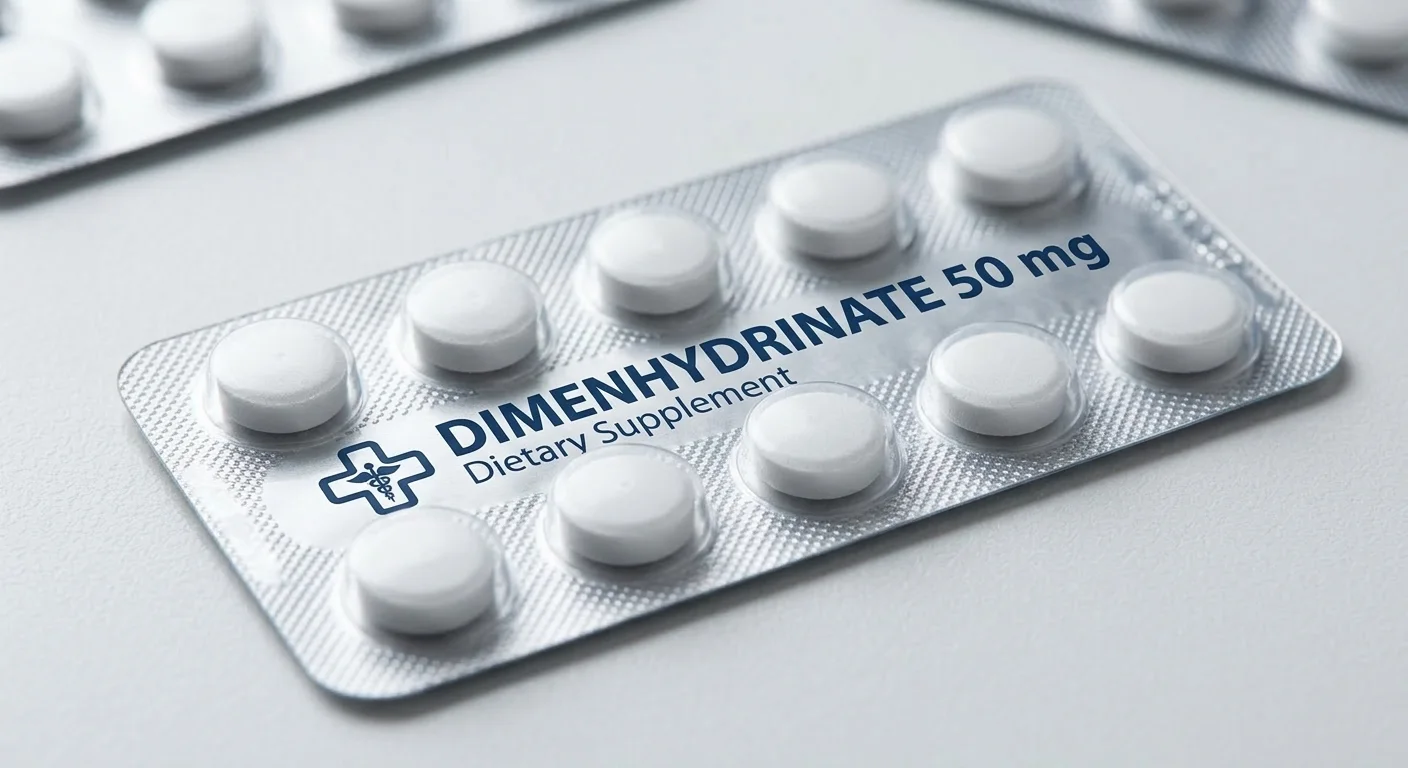
Southeast Asian over-the-counter pharmacy chains face unique challenges when sourcing dimenhydrinate products, particularly regarding multilingual packaging requirements that meet diverse regulatory standards across the region. The growing demand for dimenhydrinate 50 mg formulations in countries like Thailand, Malaysia, Singapore, and the Philippines requires careful consideration of local language requirements, cultural sensitivities, and varying pharmaceutical regulations that govern product labeling and consumer information.
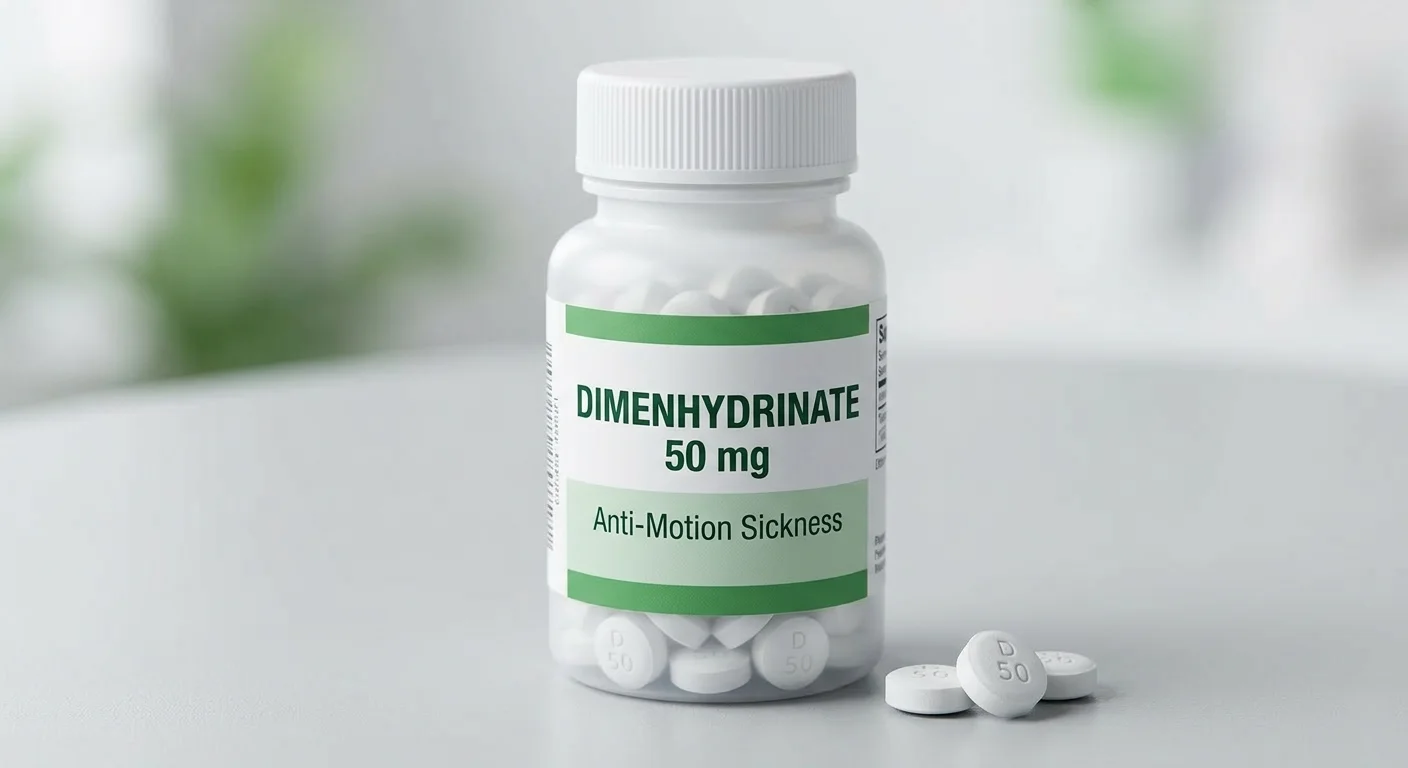
The complexity of establishing effective supply chains for dimenhydrinate 50 mg products extends beyond simple procurement to encompass comprehensive packaging strategies that address multiple languages, dosage clarity, and compliance with regional pharmaceutical authorities. Successful pharmacy chains must navigate the intricate balance between cost-effective sourcing and meeting the sophisticated packaging demands that ensure both regulatory compliance and consumer accessibility across Southeast Asian markets.
Regional Regulatory Framework for Dimenhydrinate Packaging
Language Requirements Across Southeast Asian Markets
The regulatory landscape for dimenhydrinate 50 mg packaging varies significantly across Southeast Asian countries, with each nation imposing specific language requirements that pharmaceutical distributors must address. Thailand mandates that all pharmaceutical packaging include Thai language instructions alongside English, while Malaysia requires Bahasa Malaysia, English, and often Chinese translations depending on the target market demographic. Singapore's multilingual approach typically includes English, Mandarin Chinese, Malay, and Tamil, reflecting the country's diverse population.
Indonesia presents additional complexity with its requirement for Bahasa Indonesia as the primary language, though many regions also benefit from local dialect considerations. The Philippines requires Filipino and English, but regional variations often necessitate additional local language support. Vietnam demands Vietnamese language packaging with specific formatting requirements that differ from other regional standards.
Pharmaceutical companies sourcing dimenhydrinate 50 mg products must understand that language compliance extends beyond simple translation to include cultural appropriateness, medical terminology accuracy, and font size requirements that ensure readability across different age demographics. The aging population in many Southeast Asian countries particularly benefits from larger font sizes and clear dosage instructions.
Dosage Information and Safety Warnings
Effective packaging for dimenhydrinate 50 mg must clearly communicate dosage information in multiple languages while maintaining consistency across different linguistic presentations. Safety warnings related to drowsiness, contraindications with other medications, and age-specific usage guidelines require precise translation that maintains medical accuracy across cultural contexts.
Regional pharmaceutical authorities increasingly scrutinize the clarity of dosage instructions, particularly for over-the-counter medications like dimenhydrinate 50 mg that consumers may purchase without direct pharmacist consultation. The packaging must communicate not only the standard dosage but also maximum daily limits, timing between doses, and circumstances that warrant medical consultation before use.
Many Southeast Asian countries require specific formatting for contraindication information, with some mandating bold or highlighted text for critical safety information. The packaging design must accommodate these requirements while maintaining aesthetic appeal and shelf presence that supports retail success.
Supply Chain Considerations for Multilingual Packaging
Manufacturing and Printing Logistics
Establishing efficient supply chains for dimenhydrinate 50 mg products with multilingual packaging requires careful coordination between pharmaceutical manufacturers, printing facilities, and distribution networks. The complexity of managing multiple language versions often necessitates regional printing facilities that can handle the technical requirements of pharmaceutical-grade packaging materials while maintaining cost efficiency.
Quality control becomes particularly critical when managing multilingual packaging, as translation errors or formatting inconsistencies can result in regulatory rejection or market recalls. Many successful pharmacy chains establish partnerships with printing facilities that specialize in pharmaceutical packaging and maintain certified translation services for medical terminology.
The timing of packaging production must account for the longer lead times associated with multilingual design approval processes. Regional regulatory authorities may require different review periods for translated materials, potentially creating supply chain bottlenecks if not properly anticipated in procurement planning.
Inventory Management and Market Distribution
Effective inventory management for dimenhydrinate 50 mg products requires sophisticated forecasting that accounts for market-specific language preferences and regional demand patterns. Pharmacy chains must balance the cost efficiency of consolidated purchasing with the need to maintain appropriate stock levels of different language versions across their network.
Distribution strategies often involve regional warehousing that allows for efficient deployment of appropriate language versions to specific markets while maintaining overall supply chain efficiency. Some pharmacy chains implement centralized procurement with decentralized packaging finishing to optimize both cost and market responsiveness.
Technology integration becomes essential for tracking different packaging versions and ensuring that pharmacy locations receive appropriate language variants for their customer demographics. Automated inventory systems must accommodate the complexity of managing multiple SKUs for what is essentially the same pharmaceutical product in different packaging configurations.
Design Optimization for Multilingual Pharmaceutical Packaging
Visual Hierarchy and Space Management
Designing effective multilingual packaging for dimenhydrinate 50 mg requires sophisticated space management that maintains visual clarity while accommodating multiple languages. The challenge lies in creating a visual hierarchy that guides consumers to critical information regardless of their primary language while maintaining brand consistency and regulatory compliance across all text elements.
Successful packaging designs often employ color coding or visual symbols that complement textual information, helping consumers quickly identify key information such as dosage strength, usage instructions, and safety warnings. The 50 mg dosage strength must remain prominently displayed across all language versions while ensuring that translation differences do not create confusion about product potency.
Typography considerations become particularly important when accommodating languages with different character densities and reading patterns. Languages like Thai or Khmer require different spacing considerations compared to Latin-based scripts, while Chinese characters may require different font weights to maintain readability at smaller sizes.
Cultural Sensitivity and Market Adaptation
Beyond linguistic translation, effective packaging for dimenhydrinate 50 mg must consider cultural preferences and healthcare communication styles that vary across Southeast Asian markets. Some cultures prefer detailed explanatory text while others respond better to simplified, direct communication supported by visual elements.
Color psychology varies significantly across the region, with certain colors carrying different cultural connotations related to health, safety, or medicinal efficacy. Packaging designers must navigate these cultural considerations while maintaining brand consistency and ensuring that color choices support rather than hinder the communication of critical pharmaceutical information.
Religious and cultural dietary considerations may also impact packaging design, particularly when dimenhydrinate 50 mg formulations include gelatin capsules or other ingredients that require specific labeling for Muslim, Buddhist, or Hindu populations. Clear ingredient listing in local languages becomes essential for market acceptance and regulatory compliance.
Cost-Benefit Analysis of Multilingual Packaging Strategies
Investment Requirements and Return Considerations
The financial investment required for comprehensive multilingual packaging of dimenhydrinate 50 mg products encompasses design development, translation services, regulatory approval processes, and ongoing inventory management complexity. Pharmacy chains must carefully evaluate the cost implications of supporting multiple language versions against the market access and customer satisfaction benefits that multilingual packaging provides.
Initial design investment typically includes professional translation services, cultural consulting, regulatory review fees, and printing setup costs for each language version. The ongoing costs include inventory complexity, potential obsolescence of language-specific stock, and the administrative overhead of managing multiple product versions across different markets.
However, the market access benefits often justify these investments, particularly in diverse markets where language accessibility directly impacts consumer confidence and purchase decisions. Pharmacies serving multilingual communities frequently report higher customer loyalty and improved safety outcomes when medications like dimenhydrinate 50 mg are available with appropriate language support.
Operational Efficiency and Market Competitiveness
Successful implementation of multilingual packaging strategies requires operational systems that can efficiently manage the complexity while maintaining competitive pricing and market responsiveness. Many pharmacy chains find that the initial investment in sophisticated inventory and distribution systems pays dividends through improved market penetration and reduced regulatory compliance risks.
Competitive advantage often emerges from superior multilingual packaging that enhances customer trust and supports better therapeutic outcomes through improved medication adherence. Customers who can easily understand dosage instructions and safety information for dimenhydrinate 50 mg are more likely to use the medication correctly and achieve desired therapeutic results.
The long-term operational benefits include reduced customer service inquiries, fewer medication errors, and improved relationships with regulatory authorities who view comprehensive multilingual packaging as evidence of commitment to patient safety and market responsibility.
FAQ
What are the minimum language requirements for dimenhydrinate 50 mg packaging in Southeast Asia?
Most Southeast Asian countries require the national language plus English as minimum requirements, though specific mandates vary by country. Thailand requires Thai and English, Malaysia typically requires Bahasa Malaysia and English with Chinese often preferred, Singapore requires English plus at least one other official language, and the Philippines requires Filipino and English. Vietnam mandates Vietnamese language packaging with specific formatting requirements that differ from other regional standards.
How does multilingual packaging affect the sourcing costs for dimenhydrinate 50 mg products?
Multilingual packaging typically increases initial sourcing costs by 15-30% due to design complexity, translation services, additional regulatory approvals, and inventory management requirements. However, these costs are often offset by improved market access, reduced compliance risks, and enhanced customer satisfaction that supports premium pricing strategies. The investment in multilingual packaging generally provides positive returns within 12-18 months for pharmacy chains serving diverse markets.
Can pharmacy chains use standardized multilingual packaging across all Southeast Asian markets?
While some standardization is possible, each Southeast Asian market has specific regulatory requirements that prevent completely uniform packaging approaches. Successful strategies often involve creating modular packaging designs that share common visual elements while allowing for country-specific language and regulatory adaptations. The most efficient approach typically involves regional coordination with local customization rather than attempting complete standardization across all markets.
What are the key regulatory approval timelines for multilingual dimenhydrinate packaging in the region?
Regulatory approval timelines vary significantly across Southeast Asian countries, ranging from 3-6 months for countries with established pharmaceutical regulatory frameworks to 6-12 months for markets with more complex approval processes. The multilingual aspect often adds 30-60 days to standard approval timelines due to translation verification requirements and cultural appropriateness reviews. Planning for 6-9 months total lead time from packaging design to market availability is typically recommended for new dimenhydrinate 50 mg products with comprehensive multilingual support.
Table of Contents
- Regional Regulatory Framework for Dimenhydrinate Packaging
- Supply Chain Considerations for Multilingual Packaging
- Design Optimization for Multilingual Pharmaceutical Packaging
- Cost-Benefit Analysis of Multilingual Packaging Strategies
-
FAQ
- What are the minimum language requirements for dimenhydrinate 50 mg packaging in Southeast Asia?
- How does multilingual packaging affect the sourcing costs for dimenhydrinate 50 mg products?
- Can pharmacy chains use standardized multilingual packaging across all Southeast Asian markets?
- What are the key regulatory approval timelines for multilingual dimenhydrinate packaging in the region?