Get a Free Quote

Our representative will contact you soon.
Name
Email
Tel
Company Name
Message
0/1000
hospital bed suppliers-0

Home > 

hospital bed suppliers

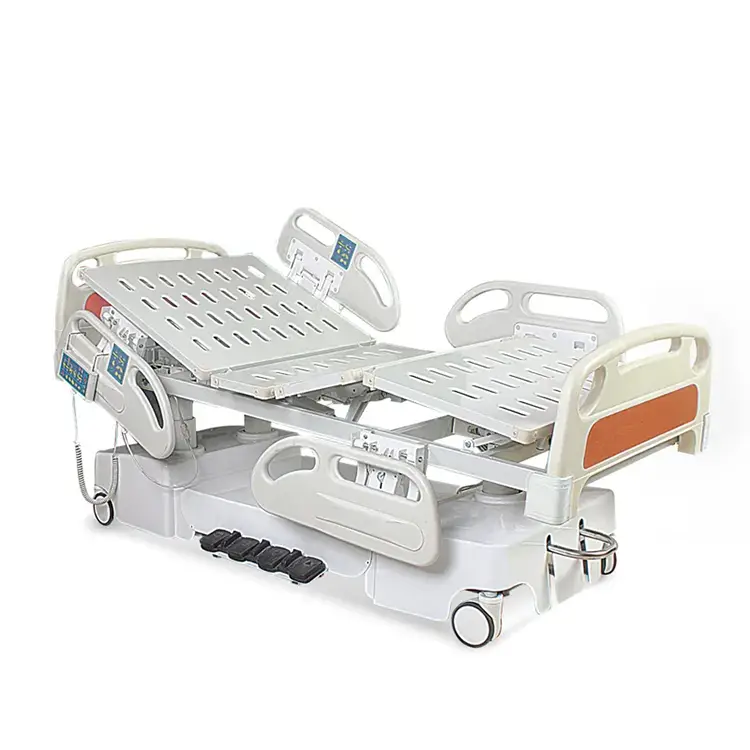
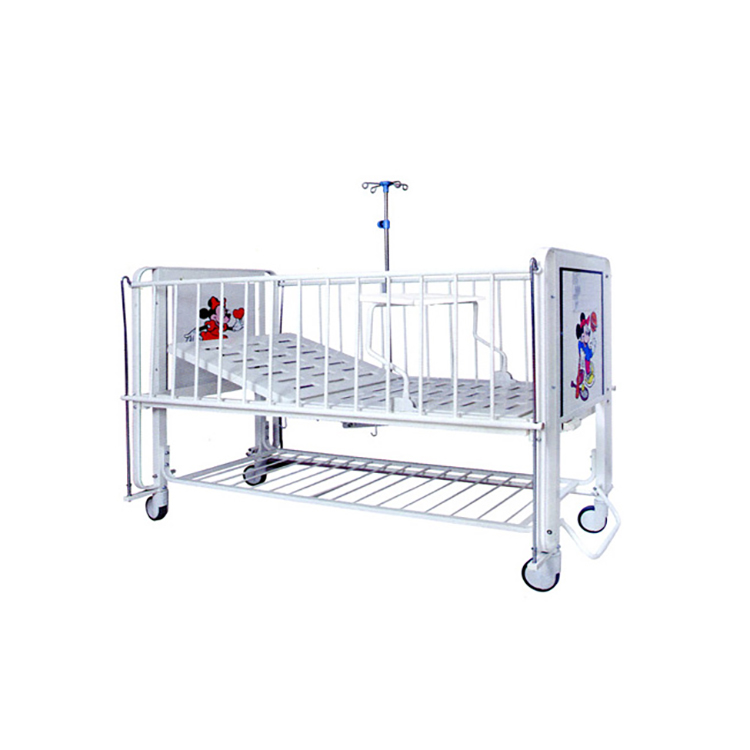
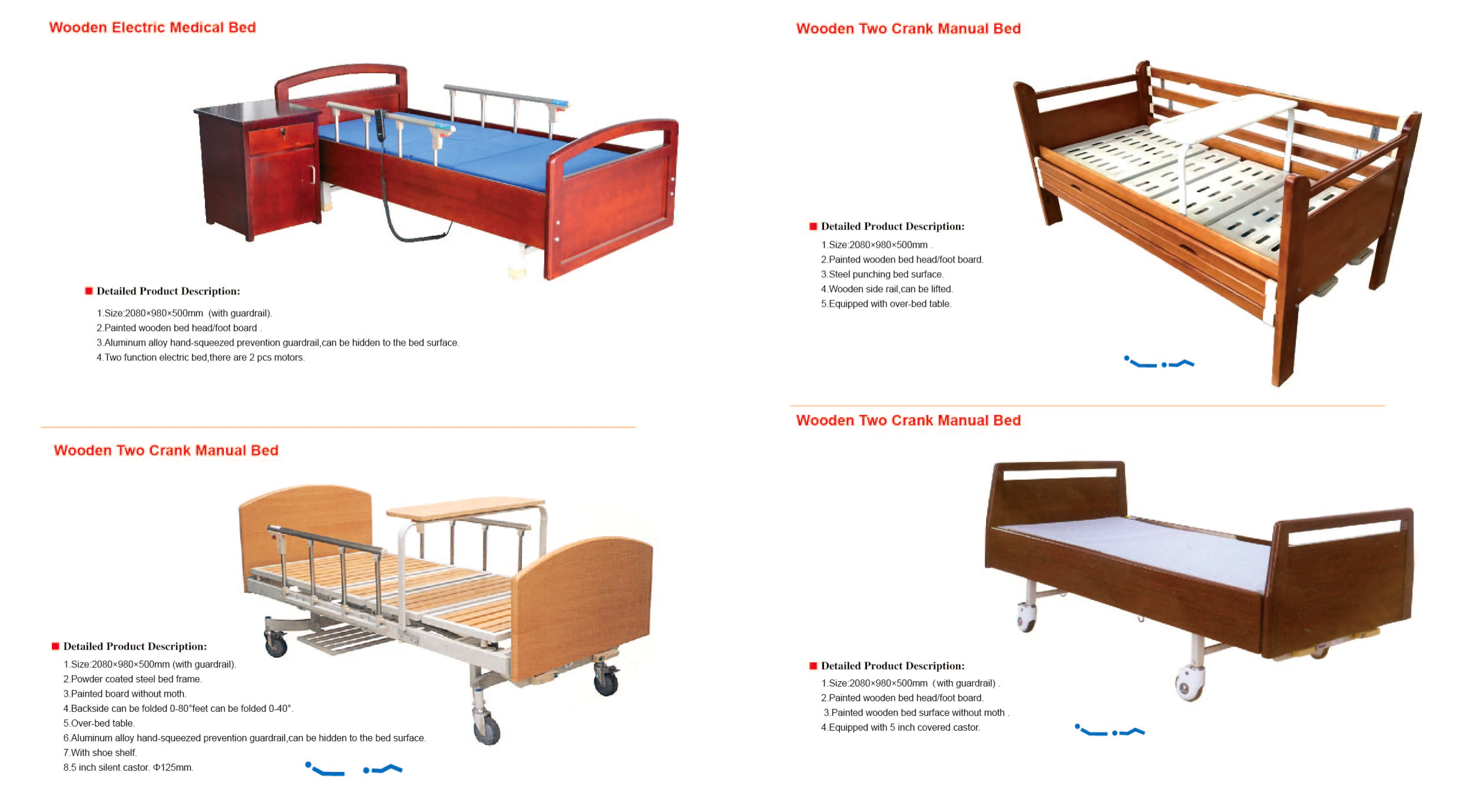
Hospital bed suppliers provide the equipment hospitals, clinics, nursing homes, rehabilitation centers, and home-care organizations need to support safe patient treatment. Rather than offering a single standard model, hospital bed suppliers usually provide manual, semi-electric, and fully electric beds in several sizes and configurations. Their products help caregivers position patients, reduce lifting, improve comfort, and maintain a safer care environment. Hospital bed suppliers can also recommend mattresses, bedside cabinets, overbed tables, rails, lifting poles, and other accessories that create a complete bedside solution. The main functions include raising or lowering the sleeping surface, adjusting the backrest and leg section, changing the bed height, and supporting safe transfers. Many electric models use a handheld control or caregiver panel, allowing precise movement without manual effort. Common technological features include quiet motors, battery backup, integrated scales, nurse-call connections, USB charging ports, fall-prevention alerts, and locking casters. Some advanced beds record movement, monitor patient weight, or connect with hospital information systems. Hospital bed suppliers serve intensive care units, general wards, emergency rooms, maternity areas, long-term care rooms, and private residences. Different models address different needs: low beds help reduce injury from falls, bariatric designs support higher weight limits, and mobile beds simplify room changes. When comparing hospital bed suppliers, buyers should review load capacity, adjustment range, cleaning requirements, warranty terms, replacement parts, delivery, installation, and after-sales service. A dependable supplier combines suitable products with practical guidance, helping each facility select beds that support patients and staff every day.

New Product Recommendations

Choosing experienced hospital bed suppliers gives buyers more than access to a bed. It creates a clearer purchasing process and lowers the risk of selecting equipment that does not match daily care needs. Hospital bed suppliers can compare models according to patient weight, mobility, room size, care level, and budget. This guidance helps managers avoid unnecessary features while ensuring essential functions remain available. Hospital bed suppliers also make it easier to standardize equipment across wards. Consistent controls and bed layouts shorten staff training time and help nurses move confidently between rooms. Electric positioning reduces the need for repeated manual lifting, which can lower physical strain and improve workflow during bathing, treatment, and patient transfers. For patients, a supportive surface and adjustable posture can improve comfort, rest, breathing, circulation, and recovery. Hospital bed suppliers offer low-height options that reduce fall consequences, side rails that support repositioning, and pressure-relieving mattress systems for people who spend long periods in bed. These choices make the equipment suitable for acute care, rehabilitation, elder care, and home recovery. Hospital bed suppliers can also provide models that are easy to clean and move. Smooth surfaces limit dirt buildup, while strong casters help staff transport a patient safely within a facility. Locking wheels improve stability during procedures, and backup batteries keep basic adjustments available during a power interruption. From an operational view, hospital bed suppliers that maintain local stock and parts can reduce downtime. Responsive technical support protects the original investment and helps facilities return equipment to service quickly. Buyers should compare service coverage, delivery schedules, training, installation, maintenance plans, and total ownership cost rather than focusing only on the purchase price. The right hospital bed suppliers help organizations balance safety, comfort, efficiency, and long-term value.

Practical Tips

Dimenhydrinate tablet market access in Japan: can suppliers support PMDA onsite inspection?

22

Jul

Dimenhydrinate tablet market access in Japan: can suppliers support PMDA onsite inspection?

Japanese pharmaceutical market access for dimenhydrinate 50 mg tablets requires rigorous regulatory compliance through the Pharmaceuticals and Medical Devices Agency (PMDA) approval process. International suppliers seeking to commercialize dimenhydri...
View More
How to qualify compliant OTC cream suppliers for tinea pedis and cruris treatment?

03

Aug

How to qualify compliant OTC cream suppliers for tinea pedis and cruris treatment?

Selecting the right supplier for miconazole cream requires a systematic approach that balances regulatory compliance, product quality, and reliability. Tinea pedis and tinea cruris are common fungal infections affecting millions of patients annually,...
View More
How to verify batch consistency via MFR and density in bulk PP raw material procurement?

20

Aug

How to verify batch consistency via MFR and density in bulk PP raw material procurement?

Ensuring batch consistency in bulk procurement requires rigorous quality verification protocols. When sourcing white pp granules, manufacturers must implement standardized testing methods to confirm that each delivery meets established specifications...
View More
How to distinguish procurement specifications between cosmetic grade and pharmaceutical grade bakuchiol?

15

Sep

How to distinguish procurement specifications between cosmetic grade and pharmaceutical grade bakuchiol?

Understanding the difference between cosmetic grade and pharmaceutical grade pure bakuchiol is essential for procurement professionals, formulators, and skincare manufacturers. Both grades contain pure bakuchiol, but they differ significantly in puri...
View More

Get a Free Quote

Our representative will contact you soon.
Name
Email
Tel
Company Name
Message
0/1000

hospital bed suppliers

Flexible Electric Positioning for Safer Care

Flexible Electric Positioning for Safer Care

A major strength offered by hospital bed suppliers is flexible electric positioning. With a simple handset or staff control panel, caregivers can raise the backrest, bend the knee section, adjust overall height, or return the surface to a flat position. Hospital bed suppliers use this function to support feeding, examinations, medication, therapy, rest, and safe transfers without requiring staff to lift or crank the bed repeatedly. The patient can often make small comfort adjustments independently, which promotes dignity and reduces requests for assistance. Height adjustment also helps caregivers work at a safer level during cleaning and treatment. Many hospital bed suppliers add quiet motors, smooth movement, and automatic contour functions so the bed changes position without sudden motion. These details matter in shared rooms and nighttime care. When facilities select a suitable electric model, hospital bed suppliers help improve workflow while supporting patient comfort, caregiver safety, and more consistent positioning throughout the day.
Safety Features That Support Patient Protection

Safety Features That Support Patient Protection

Safety-focused design is another important reason to evaluate hospital bed suppliers carefully. Many models include lockable casters, split side rails, low-height settings, rounded edges, and strong frame construction. Hospital bed suppliers can match these features to the patient risk level and the care setting. A low position can reduce the distance of a potential fall, while raised rails may provide a useful handhold during repositioning. Split rails give caregivers access to the patient without removing all protection from the bedside. Hospital bed suppliers may also offer exit alarms, motion sensors, integrated scales, and nurse-call links. These tools can alert staff when a patient tries to leave the bed or needs help, supporting faster response. Weight monitoring can reduce unnecessary transfers to a separate scale and help staff track changes more consistently. The best configuration depends on clinical policy, patient mobility, and local safety rules. Proper training remains essential, but well-designed beds give staff practical support for preventing avoidable incidents.
Complete Supply and Service Support

Complete Supply and Service Support

Product quality matters, but dependable support often determines the long-term value of a purchase. Established hospital bed suppliers can provide product selection, room planning, delivery, installation, user training, inspections, and repair assistance through one coordinated service. Hospital bed suppliers with an organized parts network help facilities replace casters, controls, motors, rails, and batteries without waiting for a complete bed replacement. This approach can extend equipment life and reduce disruption to patient care. Some hospital bed suppliers offer rental, leasing, refurbishment, or staged purchasing options, giving smaller clinics and home-care providers more control over cash flow. Clear warranty terms also help buyers understand what service is included and what costs may arise later. A capable supplier should explain cleaning methods, safe operating limits, mattress compatibility, and preventive maintenance requirements in plain language. This information helps managers plan budgets and keeps staff usage consistent. By combining suitable equipment with responsive assistance, hospital bed suppliers support reliable operations from initial order through years of daily use.

Get a Free Quote

Our representative will contact you soon.
Name
Email
Tel
Company Name
Message
0/1000

Get a Free Quote

Our representative will contact you soon.
Name
Email
Tel
Company Name
Message
0/1000